The Evolution of AI: From Concept to Reality
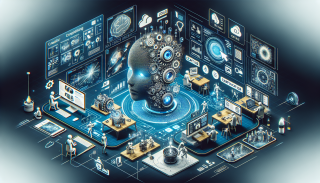
The journey of artificial intelligence (AI) from a mere concept to a tangible reality is a fascinating tale of innovation and perseverance. Initially, AI was a theoretical idea, rooted in the desire to create machines that could mimic human intelligence. Over the decades, this vision has evolved, driven by advancements in technology and an ever-growing understanding of cognitive processes.
In the early stages, AI research was primarily focused on symbolic reasoning and problem-solving. These efforts laid the groundwork for the development of algorithms capable of performing specific tasks. However, the true potential of AI began to unfold with the advent of machine learning, a subset of AI that enables systems to learn from data and improve over time without explicit programming.
Machine learning, particularly deep learning, has revolutionized the field by allowing AI to process vast amounts of data and recognize patterns with unprecedented accuracy. This has led to significant breakthroughs in various domains, including natural language processing, computer vision, and autonomous systems. The integration of neural networks has further enhanced AI’s ability to perform complex tasks, such as image and speech recognition, with remarkable precision.
As AI technology continues to advance, its applications are becoming increasingly diverse and impactful. From healthcare and finance to transportation and entertainment, AI is transforming industries and reshaping the way we live and work. The development of intelligent systems capable of understanding and responding to human emotions is also opening new avenues for human-computer interaction, making technology more intuitive and accessible.
Despite these advancements, the evolution of AI is far from complete. Researchers are constantly exploring new methodologies and techniques to push the boundaries of what AI can achieve. Ethical considerations and the need for robust regulatory frameworks are also becoming more prominent, ensuring that AI development aligns with societal values and benefits humanity as a whole.
In conclusion, the evolution of AI from a conceptual idea to a practical reality is a testament to human ingenuity and the relentless pursuit of knowledge. As AI continues to evolve, it holds the promise of unlocking new possibilities and addressing some of the most pressing challenges of our time. The future of AI technology is not just about creating smarter machines, but about enhancing human capabilities and improving the quality of life for all.
How AI is Shaping Tomorrow’s World
Artificial Intelligence (AI) is revolutionizing the future, transforming industries and daily life. This technological marvel is not just a trend but a fundamental shift in how society operates. AI’s potential is vast, impacting various sectors from healthcare to finance, and even entertainment. The integration of AI into these fields is creating unprecedented opportunities and challenges.
In healthcare, AI is enhancing diagnostic accuracy and treatment plans. Machine learning algorithms analyze vast amounts of medical data, identifying patterns that human eyes might miss. This leads to early detection of diseases and personalized treatment strategies, improving patient outcomes significantly.
Financial institutions are leveraging AI to optimize operations and enhance customer experiences. Algorithms predict market trends, manage risks, and automate trading processes. This not only increases efficiency but also reduces human error, leading to more stable financial systems.
In the realm of entertainment, AI is personalizing content delivery. Streaming services use AI to recommend shows and movies based on user preferences, creating a tailored viewing experience. Additionally, AI-generated content is becoming more prevalent, offering new forms of creative expression.
AI’s influence extends to everyday life through smart home devices. These gadgets learn user habits and preferences, automating tasks and improving convenience. From adjusting thermostats to managing security systems, AI is making homes smarter and more efficient.
However, the rise of AI also brings ethical considerations. Issues such as data privacy, job displacement, and algorithmic bias need addressing. Ensuring that AI development aligns with ethical standards is crucial for its sustainable integration into society.
In conclusion, AI is shaping tomorrow’s world in multifaceted ways. Its ability to analyze data, predict outcomes, and automate processes is transforming industries and enhancing daily life. As AI continues to evolve, it is essential to navigate its challenges responsibly, ensuring that its benefits are maximized while mitigating potential risks.
The Role of AI in Transforming Industries
Artificial Intelligence (AI) is revolutionizing various industries by enhancing efficiency, accuracy, and innovation. The integration of AI technology is reshaping traditional business models, leading to unprecedented advancements and opportunities. This transformation is evident across multiple sectors, including healthcare, finance, manufacturing, and retail.
In the healthcare sector, AI is significantly improving diagnostic accuracy and patient care. Machine learning algorithms analyze vast amounts of medical data, enabling early detection of diseases and personalized treatment plans. Additionally, AI-powered robots assist in surgeries, ensuring precision and reducing recovery times.
Financial institutions are leveraging AI to enhance security, streamline operations, and provide personalized services. AI algorithms detect fraudulent activities in real-time, safeguarding assets and data. Moreover, AI-driven chatbots offer 24/7 customer support, improving user experience and satisfaction.
Manufacturing industries are experiencing a paradigm shift with the adoption of AI. Predictive maintenance, powered by AI, minimizes downtime and extends the lifespan of machinery. Furthermore, AI optimizes supply chain management, ensuring timely delivery and reducing costs.
Retail businesses are utilizing AI to understand consumer behavior and preferences. AI-driven analytics provide insights into purchasing patterns, enabling personalized marketing strategies. Additionally, AI enhances inventory management, ensuring products are available when and where they are needed.
The role of AI in transforming industries is not limited to these sectors. AI is also making significant strides in education, transportation, and entertainment. In education, AI-powered tools offer personalized learning experiences, catering to individual student needs. In transportation, AI enhances route optimization and autonomous driving, improving safety and efficiency. In entertainment, AI creates immersive experiences through advanced content generation and recommendation systems.
Overall, the integration of AI technology is driving innovation and efficiency across various industries. As AI continues to evolve, its potential to transform industries will only grow, leading to a future where AI is an integral part of everyday life.
Ethical Considerations in AI Development
In the rapidly evolving landscape of artificial intelligence, ethical considerations play a pivotal role in shaping the future of AI technology. As AI systems become more integrated into daily life, ensuring they operate within ethical boundaries is paramount. This involves addressing issues such as bias, privacy, accountability, and transparency.
One of the primary ethical concerns in AI development is bias. AI algorithms can inadvertently perpetuate existing prejudices if trained on biased data. This can lead to unfair treatment of certain groups, reinforcing societal inequalities. To mitigate this, developers must ensure diverse and representative datasets, alongside continuous monitoring and adjustment of AI systems.
Privacy is another critical issue. AI technologies often require vast amounts of data, raising concerns about how this information is collected, stored, and used. Ensuring robust data protection measures and obtaining informed consent from users are essential steps in safeguarding privacy. Additionally, anonymizing data can help protect individual identities while still allowing for valuable insights.
Accountability in AI development is crucial. When AI systems make decisions, it is important to determine who is responsible for the outcomes. Clear guidelines and regulations are needed to establish accountability, ensuring that developers and organizations are held responsible for the actions of their AI systems. This can help build trust and confidence in AI technologies.
Transparency is also vital in the ethical development of AI. Users should have a clear understanding of how AI systems operate and make decisions. This involves providing explanations for AI-driven outcomes and making the underlying algorithms accessible for scrutiny. Transparency fosters trust and allows for the identification and correction of potential issues.
In conclusion, addressing ethical considerations in AI development is essential for creating technologies that are fair, secure, and trustworthy. By focusing on bias, privacy, accountability, and transparency, developers can ensure that AI systems contribute positively to society and pave the way for a future where technology and ethics coexist harmoniously.
AI and the Future of Work: Opportunities and Challenges
The integration of artificial intelligence (AI) into the workplace is transforming industries, offering both significant opportunities and notable challenges. As AI technology continues to evolve, it is reshaping the future of work by enhancing productivity, automating routine tasks, and creating new job roles. However, this transformation also brings forth concerns regarding job displacement, ethical considerations, and the need for upskilling the workforce.
AI’s potential to revolutionize the workplace is immense. By automating repetitive tasks, AI allows employees to focus on more complex and creative aspects of their jobs. This shift not only boosts efficiency but also fosters innovation. For instance, AI-driven analytics can provide valuable insights, enabling businesses to make data-informed decisions swiftly. Moreover, AI-powered tools can enhance customer service by offering personalized experiences and rapid responses.
Despite these advantages, the rise of AI in the workplace presents several challenges. One of the primary concerns is job displacement. As machines become capable of performing tasks traditionally done by humans, there is a growing fear of widespread unemployment. To mitigate this, it is crucial to invest in reskilling and upskilling programs. These initiatives can help workers adapt to new roles that AI technology creates, ensuring a smooth transition in the job market.
Ethical considerations also play a significant role in the adoption of AI. Issues such as data privacy, algorithmic bias, and transparency must be addressed to build trust in AI systems. Companies need to implement robust ethical guidelines and ensure that AI applications are designed and used responsibly. This includes safeguarding sensitive information and ensuring that AI decisions are fair and unbiased.
Furthermore, the future of work with AI necessitates a collaborative approach. Businesses, governments, and educational institutions must work together to create a supportive ecosystem. This includes developing policies that promote ethical AI use, investing in education and training programs, and encouraging public-private partnerships. By fostering collaboration, society can harness the full potential of AI while addressing its challenges effectively.
In conclusion, AI technology holds the promise of transforming the workplace by enhancing efficiency and creating new opportunities. However, it also poses challenges that require careful consideration and proactive measures. By focusing on reskilling, ethical practices, and collaboration, society can navigate the complexities of AI integration and build a future where technology and human ingenuity coexist harmoniously.
Innovations in AI: What to Expect in the Next Decade
Artificial Intelligence (AI) is poised to revolutionize various sectors over the next decade. The advancements in AI technology will bring about significant changes, enhancing efficiency and creating new opportunities. The following innovations are expected to shape the future of AI:
- Enhanced Machine Learning Algorithms: Machine learning algorithms will become more sophisticated, enabling AI systems to learn and adapt faster. This will lead to more accurate predictions and better decision-making capabilities.
- Natural Language Processing (NLP): NLP will see substantial improvements, allowing AI to understand and generate human language with greater precision. This will enhance communication between humans and machines, making interactions more intuitive.
- AI in Healthcare: AI will play a crucial role in healthcare, from diagnosing diseases to personalizing treatment plans. Advanced AI systems will analyze vast amounts of medical data, providing insights that can lead to better patient outcomes.
- Autonomous Vehicles: The development of self-driving cars will accelerate, with AI systems becoming more reliable and safe. This will transform transportation, reducing accidents and improving traffic management.
- AI in Finance: Financial institutions will leverage AI for fraud detection, risk management, and personalized financial advice. AI-driven analytics will help in making more informed investment decisions.
- Robotics: AI-powered robots will become more prevalent in various industries, from manufacturing to service sectors. These robots will perform complex tasks with high precision, increasing productivity and reducing human error.
- AI Ethics and Governance: As AI becomes more integrated into daily life, ethical considerations and governance frameworks will be essential. Ensuring that AI systems are transparent, fair, and accountable will be a priority.
- Quantum Computing: The integration of AI with quantum computing will unlock new possibilities, solving problems that are currently beyond the reach of classical computers. This will lead to breakthroughs in fields such as cryptography and material science.
- AI in Education: Personalized learning experiences powered by AI will transform education. AI will tailor educational content to individual learning styles, improving engagement and outcomes.
- AI in Environmental Sustainability: AI will contribute to environmental sustainability by optimizing resource usage and reducing waste. AI-driven solutions will help in monitoring and mitigating the impacts of climate change.
These innovations will not only enhance existing technologies but also pave the way for new applications and industries. The next decade promises to be an exciting era for AI, with transformative impacts across various domains.
The Intersection of AI and Human Intelligence
The convergence of artificial intelligence (AI) and human intelligence is reshaping the landscape of technology and society. This synergy between AI and human cognition is fostering unprecedented advancements, driving innovation, and transforming various sectors. By leveraging the strengths of both AI and human intellect, a new era of enhanced capabilities and efficiencies is emerging.
AI systems excel in processing vast amounts of data with remarkable speed and accuracy. These systems can identify patterns, make predictions, and automate complex tasks, which significantly enhances productivity. However, human intelligence brings creativity, emotional understanding, and ethical considerations to the table, which are crucial for nuanced decision-making and problem-solving.
The integration of AI and human intelligence is particularly evident in fields such as healthcare, finance, and education. In healthcare, AI-powered diagnostic tools assist doctors in identifying diseases at early stages, leading to better patient outcomes. Financial institutions utilize AI algorithms to detect fraudulent activities and optimize investment strategies. In education, AI-driven personalized learning platforms cater to individual student needs, enhancing the learning experience.
Moreover, the collaboration between AI and human intelligence is fostering innovation in areas like autonomous vehicles, smart cities, and advanced robotics. Autonomous vehicles rely on AI for real-time data analysis and decision-making, while human oversight ensures safety and ethical compliance. Smart cities use AI to manage resources efficiently, but human planners are essential for addressing social and cultural aspects. Advanced robotics combines AI’s precision with human dexterity, enabling robots to perform intricate tasks in manufacturing and healthcare.
Despite the numerous benefits, the intersection of AI and human intelligence also presents challenges. Ethical concerns, such as data privacy and algorithmic bias, require careful consideration. Ensuring that AI systems are transparent and accountable is paramount to maintaining public trust. Additionally, the rapid pace of AI development necessitates continuous learning and adaptation from the human workforce to stay relevant in an AI-driven world.
In conclusion, the fusion of AI and human intelligence is driving transformative changes across various domains. By harnessing the complementary strengths of both, society can achieve greater innovation, efficiency, and problem-solving capabilities. However, it is essential to address ethical challenges and ensure that the integration of AI and human intelligence is guided by principles of transparency, accountability, and inclusivity.