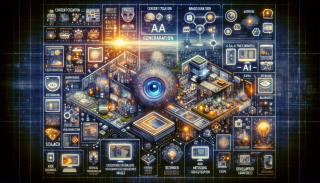
Revolutionizing Gameplay: How AI is Changing the Gaming Landscape
Artificial Intelligence (AI) is transforming the gaming industry, creating immersive and dynamic experiences for players. By integrating AI, game developers can craft more realistic environments, intelligent non-player characters (NPCs), and adaptive gameplay. This evolution is not just enhancing the visual and interactive aspects of games but also revolutionizing how players engage with them.
One of the most significant impacts of AI in gaming is the development of smarter NPCs. These characters can now learn from player actions, adapt their strategies, and provide a more challenging and engaging experience. This level of interaction was previously unattainable, making games more unpredictable and exciting.
AI also plays a crucial role in procedural content generation. This technology allows for the creation of vast, unique game worlds without manual input from developers. By using algorithms, AI can generate landscapes, quests, and even entire storylines, ensuring that no two gaming experiences are identical. This not only saves time and resources but also keeps players engaged with fresh content.
Moreover, AI-driven analytics are enhancing player experiences by personalizing gameplay. By analyzing player behavior, AI can adjust difficulty levels, suggest in-game purchases, and even recommend new games. This personalized approach ensures that players remain engaged and satisfied, leading to longer playtimes and increased loyalty.
Another groundbreaking application of AI in gaming is in the realm of virtual reality (VR) and augmented reality (AR). AI algorithms enhance the realism of VR and AR environments, making interactions more natural and intuitive. This technology is pushing the boundaries of what is possible in gaming, offering players an unprecedented level of immersion.
In addition, AI is improving game testing and quality assurance. Automated testing tools powered by AI can identify bugs and glitches more efficiently than human testers. This leads to higher-quality games and faster development cycles, benefiting both developers and players.
Finally, AI is fostering more inclusive gaming communities. By moderating online interactions and detecting toxic behavior, AI helps create safer and more welcoming environments for all players. This is crucial for the growth and sustainability of online gaming communities.
In conclusion, AI is not just a technological advancement; it is a game-changer in the truest sense. From smarter NPCs and procedural content generation to personalized gameplay and enhanced VR experiences, AI is reshaping the gaming landscape. As this technology continues to evolve, the future of gaming promises to be more immersive, dynamic, and inclusive than ever before.
From NPCs to Game Design: The Role of AI in Modern Gaming
Artificial Intelligence (AI) is revolutionizing the gaming industry, transforming non-playable characters (NPCs) and game design. This evolution is creating immersive, dynamic experiences for players. AI’s role in modern gaming extends beyond simple NPC behavior, influencing game mechanics, storylines, and player interactions.
AI-driven NPCs exhibit advanced behaviors, making them more lifelike and unpredictable. These characters can adapt to player actions, providing a unique experience each time. This adaptability enhances the game’s replay value, keeping players engaged for longer periods.
Moreover, AI algorithms are integral to procedural content generation. This technology allows for the creation of vast, intricate game worlds without manual input. By analyzing player preferences and behaviors, AI can generate personalized content, ensuring each player’s journey is distinct.
In addition to content generation, AI is pivotal in game design. It assists developers in balancing game difficulty, ensuring a challenging yet fair experience. AI can analyze player data to identify patterns and adjust game mechanics accordingly. This dynamic adjustment keeps the game engaging and prevents frustration.
AI also plays a crucial role in enhancing storytelling within games. By utilizing natural language processing, AI can create interactive narratives that respond to player choices. This interactivity allows for deeper emotional connections and more immersive storytelling.
Furthermore, AI-powered analytics provide valuable insights into player behavior. Developers can use this data to refine game mechanics, improve user experience, and develop targeted marketing strategies. This data-driven approach ensures that games remain relevant and appealing to their audience.
In conclusion, AI is a transformative force in modern gaming. From lifelike NPCs to dynamic game design, AI enhances every aspect of the gaming experience. As technology continues to advance, the role of AI in gaming will only grow, offering even more innovative and engaging experiences for players.
Immersive Worlds: AI’s Impact on Game Environments and Storytelling
Artificial Intelligence (AI) is revolutionizing the gaming industry, particularly in the realms of game environments and storytelling. By leveraging AI, developers can create more immersive and dynamic worlds that respond to player actions in real-time. This technological advancement is not only enhancing the visual and interactive aspects of games but also transforming narrative structures, making them more engaging and personalized.
AI-driven game environments are characterized by their ability to adapt and evolve based on player behavior. This adaptability ensures that each gaming experience is unique, offering players a sense of novelty and excitement every time they play. For instance, AI can generate procedurally created landscapes that change with each playthrough, ensuring that no two gaming sessions are identical. This dynamic nature of game worlds keeps players engaged and invested in the game for longer periods.
Moreover, AI is significantly impacting storytelling in games. Traditional linear narratives are being replaced by branching storylines that adapt to player choices. This non-linear approach allows for a more personalized gaming experience, where the story unfolds differently based on the decisions made by the player. AI algorithms analyze player behavior and preferences to tailor the narrative, making it more relevant and emotionally resonant.
In addition to enhancing narrative complexity, AI also improves character development. Non-playable characters (NPCs) powered by AI exhibit more realistic behaviors and interactions. These characters can learn from player actions, remember past interactions, and respond in ways that are consistent with their personalities and the game’s storyline. This level of sophistication in character behavior adds depth to the game, making the virtual world feel more alive and authentic.
Furthermore, AI is enabling more sophisticated game mechanics. For example, AI can manage in-game economies, ensuring a balanced and fair experience for all players. It can also optimize game difficulty, adjusting challenges in real-time to match the player’s skill level. This ensures that the game remains challenging yet enjoyable, preventing frustration and maintaining player engagement.
Another significant impact of AI on gaming is in the realm of procedural content generation. AI algorithms can create vast amounts of content, from intricate landscapes to complex quests, without the need for extensive human intervention. This not only speeds up the game development process but also allows for the creation of expansive game worlds that would be impossible to design manually.
In conclusion, AI is profoundly transforming game environments and storytelling. By creating adaptive, dynamic worlds and personalized narratives, AI is enhancing the overall gaming experience. As AI technology continues to evolve, its impact on the gaming industry is expected to grow, leading to even more innovative and immersive gaming experiences.
Personalized Gaming: AI-Driven Customization and Player Experience
In the evolving landscape of gaming, AI-driven customization is revolutionizing player experiences. By leveraging artificial intelligence, games can now offer personalized content, adaptive difficulty levels, and tailored narratives that resonate with individual preferences. This transformation is not just enhancing engagement but also fostering a deeper connection between players and their virtual worlds.
AI algorithms analyze player behavior, preferences, and in-game choices to create a unique gaming journey. This data-driven approach allows for dynamic content generation, ensuring that each player’s experience is distinct. For instance, AI can modify game environments, character interactions, and story arcs based on the player’s style and decisions.
Moreover, adaptive difficulty levels are a significant aspect of AI-driven customization. By continuously monitoring a player’s performance, AI can adjust the game’s challenge to maintain an optimal balance. This ensures that players remain engaged without feeling overwhelmed or under-challenged, enhancing overall satisfaction.
Another critical element is the personalization of in-game rewards and achievements. AI can tailor these incentives to align with a player’s interests and goals, making the gaming experience more rewarding and motivating. This personalized approach not only boosts player retention but also encourages longer play sessions.
Furthermore, AI-driven customization extends to social interactions within games. By analyzing social behavior and preferences, AI can recommend friends, form teams, and create social experiences that enhance the sense of community. This fosters a more inclusive and engaging multiplayer environment.
In summary, AI-powered personalization is transforming the gaming industry by creating unique, adaptive, and engaging experiences. Through data analysis and dynamic content generation, AI ensures that each player’s journey is tailored to their preferences, enhancing satisfaction and fostering a deeper connection with the game. As AI technology continues to advance, the future of gaming promises even more innovative and immersive experiences.
The Rise of Smart Opponents: AI in Competitive and Cooperative Play
In the evolving landscape of gaming, artificial intelligence (AI) is revolutionizing both competitive and cooperative play. AI-driven opponents and allies are becoming increasingly sophisticated, offering players a more immersive and challenging experience. This transformation is not just about enhancing gameplay but also about creating dynamic and unpredictable environments that keep players engaged.
AI in competitive play has reached new heights, with smart opponents that can adapt to a player’s strategies. These AI adversaries analyze player behavior, learn from it, and adjust their tactics accordingly. This level of adaptability ensures that no two gaming sessions are the same, providing a fresh and exciting challenge each time. The use of machine learning algorithms allows these opponents to become more formidable over time, pushing players to continuously refine their skills.
In cooperative play, AI companions are designed to assist players in achieving common goals. These AI allies can understand and respond to complex commands, making teamwork more fluid and effective. They can also fill in for human players, ensuring that the game remains enjoyable even when playing solo. The integration of natural language processing enables these AI companions to communicate more naturally, enhancing the overall gaming experience.
The rise of AI in gaming is also fostering a more inclusive environment. AI-driven accessibility features are making games more accessible to players with disabilities. For instance, AI can provide real-time assistance, such as voice commands or adaptive controls, allowing a broader audience to enjoy gaming. This inclusivity is not only beneficial for players but also expands the market for game developers.
Moreover, AI is being used to create more realistic and immersive game worlds. Procedural generation techniques powered by AI can create vast, detailed environments that evolve based on player actions. This dynamic world-building ensures that players are constantly discovering new aspects of the game, keeping their interest piqued. AI-driven narrative engines can also craft personalized storylines, making each player’s journey unique.
In summary, the integration of AI in competitive and cooperative play is transforming the gaming industry. Smart opponents and allies, enhanced accessibility, and dynamic game worlds are just a few examples of how AI is elevating the gaming experience. As AI technology continues to advance, the future of gaming promises even more innovative and engaging experiences for players worldwide.
Ethical Considerations: Balancing AI Innovation with Player Privacy
In the rapidly evolving landscape of gaming, AI-powered experiences are revolutionizing player engagement. However, this innovation brings forth significant ethical considerations, particularly in balancing technological advancements with player privacy. As AI systems become more sophisticated, they collect and analyze vast amounts of player data to enhance gameplay, personalize experiences, and improve overall satisfaction. This data collection, while beneficial, raises concerns about how personal information is used, stored, and protected.
Ensuring player privacy requires a delicate balance between leveraging AI capabilities and safeguarding sensitive information. Developers must implement robust data protection measures to prevent unauthorized access and misuse. Transparency is crucial; players should be informed about what data is being collected and how it will be used. Consent mechanisms should be clear and straightforward, allowing players to opt-in or out of data collection practices.
Moreover, ethical AI deployment in gaming involves adhering to regulatory standards and guidelines. Compliance with laws such as the General Data Protection Regulation (GDPR) and the California Consumer Privacy Act (CCPA) is essential. These regulations mandate strict data handling practices, ensuring that player information is processed lawfully and transparently.
Another critical aspect is the anonymization of data. By anonymizing player data, developers can minimize privacy risks while still benefiting from AI-driven insights. This approach helps in maintaining user trust and fostering a secure gaming environment. Additionally, regular audits and assessments of AI systems can identify potential vulnerabilities and ensure ongoing compliance with privacy standards.
Ethical considerations also extend to the potential biases in AI algorithms. Developers must strive to create fair and unbiased AI systems that do not discriminate against any group of players. This involves continuous monitoring and refinement of algorithms to detect and mitigate any unintended biases.
In conclusion, the future of gaming lies in the harmonious integration of AI innovation and player privacy. By prioritizing ethical considerations, developers can create immersive and personalized gaming experiences while maintaining the trust and confidence of their player base. This balance is essential for the sustainable growth of AI-powered gaming and the protection of player rights.
Future Trends: What to Expect from AI in the Next Generation of Games
The next generation of games will be profoundly influenced by advancements in artificial intelligence (AI). These innovations promise to revolutionize the gaming landscape, offering more immersive and dynamic experiences. AI will not only enhance gameplay but also transform how games are developed and interacted with.
One of the most significant trends is the integration of AI-driven non-player characters (NPCs). These characters will exhibit more realistic behaviors, adapting to player actions in real-time. This will create a more engaging and unpredictable gaming environment, where NPCs can learn and evolve, providing a unique experience each time.
Another trend is the use of AI for procedural content generation. This technology will enable the creation of vast, intricate game worlds with minimal human intervention. By leveraging AI algorithms, developers can generate diverse landscapes, intricate storylines, and complex missions, ensuring that no two playthroughs are identical.
AI will also play a crucial role in enhancing game personalization. By analyzing player data, AI can tailor game difficulty, suggest in-game purchases, and customize content to match individual preferences. This level of personalization will make games more accessible and enjoyable for a broader audience.
Moreover, AI-powered voice recognition and natural language processing will allow for more interactive and intuitive communication within games. Players will be able to converse with NPCs and other players more naturally, enhancing the overall immersion and realism of the gaming experience.
In addition, AI will significantly impact game testing and quality assurance. Automated testing tools powered by AI can identify bugs and glitches more efficiently, ensuring a smoother and more polished final product. This will reduce development time and costs, allowing developers to focus on creativity and innovation.
Lastly, AI will facilitate the development of more sophisticated and adaptive game AI opponents. These opponents will offer a greater challenge, learning from player strategies and adjusting their tactics accordingly. This will provide a more satisfying and competitive experience for gamers.
In summary, the future of gaming will be shaped by AI advancements, leading to more immersive, personalized, and dynamic experiences. As AI continues to evolve, it will unlock new possibilities and redefine the boundaries of what is possible in the gaming world.