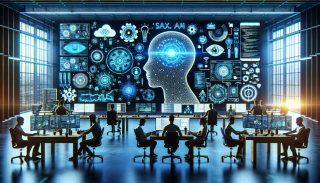
Revolutionizing Classrooms: The Role of AI in Modern Education
Artificial Intelligence (AI) is transforming educational environments, offering innovative solutions that enhance learning experiences. By integrating AI technologies, classrooms are becoming more interactive and personalized, catering to the unique needs of each student. This transformation is not just about incorporating new tools but about fundamentally changing how education is delivered and received.
AI-driven systems can analyze vast amounts of data to provide insights into student performance, helping educators tailor their teaching methods. These systems can identify learning patterns and predict areas where students might struggle, allowing for timely interventions. This data-driven approach ensures that no student is left behind, promoting a more inclusive educational environment.
Moreover, AI-powered tools such as intelligent tutoring systems and adaptive learning platforms offer personalized learning experiences. These tools adjust the difficulty level of tasks based on the student’s progress, ensuring an optimal learning pace. This personalized approach not only enhances understanding but also keeps students engaged and motivated.
Another significant advantage of AI in education is the automation of administrative tasks. AI can handle tasks such as grading, scheduling, and even answering frequently asked questions, freeing up valuable time for educators to focus on teaching and mentoring. This efficiency allows for a more streamlined educational process, benefiting both teachers and students.
AI technologies also facilitate collaborative learning. Virtual classrooms and AI-driven discussion platforms enable students to interact and collaborate, regardless of geographical barriers. This global interaction fosters a diverse learning environment, exposing students to different perspectives and ideas.
Furthermore, AI can support special education by providing customized learning aids for students with disabilities. Speech recognition software, text-to-speech applications, and other assistive technologies ensure that all students have access to quality education, regardless of their physical or cognitive challenges.
In conclusion, the integration of AI in modern education is revolutionizing classrooms, making them more efficient, personalized, and inclusive. By leveraging AI technologies, educators can provide a more engaging and effective learning experience, preparing students for the challenges of the future.
AI-Powered Learning: Transforming Student Engagement and Outcomes
Artificial Intelligence (AI) is revolutionizing the educational landscape by enhancing student engagement and improving learning outcomes. AI-powered learning tools offer personalized experiences, adapting to individual student needs and learning styles. This customization fosters a more engaging and effective educational environment.
AI technologies can analyze vast amounts of data to identify patterns and predict student performance. This predictive analysis helps educators tailor their teaching strategies, ensuring that each student receives the support they need. By providing real-time feedback, AI tools enable students to understand their progress and areas for improvement, promoting a proactive approach to learning.
Moreover, AI-driven platforms can automate administrative tasks, allowing educators to focus more on teaching and less on paperwork. This efficiency not only saves time but also enhances the overall educational experience. AI can also facilitate collaborative learning by connecting students with peers and mentors, fostering a community of shared knowledge and support.
Interactive AI applications, such as virtual tutors and chatbots, provide instant assistance and clarification on complex topics. These tools are available 24/7, offering students the flexibility to learn at their own pace. Additionally, AI can create immersive learning experiences through augmented reality (AR) and virtual reality (VR), making abstract concepts more tangible and easier to grasp.
In summary, AI-powered learning is transforming education by personalizing learning experiences, predicting student performance, automating administrative tasks, and providing interactive and immersive learning tools. These advancements are not only enhancing student engagement but also significantly improving educational outcomes.
Personalized Education: How AI Tailors Learning Experiences
Artificial Intelligence (AI) is revolutionizing the educational landscape by offering personalized learning experiences. This transformative technology adapts to individual student needs, ensuring a tailored educational journey. AI-driven platforms analyze student data to identify strengths and weaknesses, enabling customized lesson plans that cater to each learner’s unique requirements.
One of the key benefits of AI in education is its ability to provide real-time feedback. This immediate response helps students understand their mistakes and learn from them promptly. Additionally, AI-powered tools can recommend resources and activities that align with the student’s learning style, further enhancing the educational experience.
Moreover, AI facilitates differentiated instruction by grouping students based on their proficiency levels. This approach ensures that each student receives the appropriate level of challenge, promoting optimal learning outcomes. For instance, advanced learners can access more complex materials, while those needing extra support can receive targeted interventions.
Another significant advantage of AI in education is its capacity to track progress over time. By continuously monitoring student performance, AI systems can adjust learning paths to ensure consistent improvement. This dynamic adaptation helps maintain student engagement and motivation, crucial factors for academic success.
Furthermore, AI can assist educators by automating administrative tasks, allowing them to focus more on teaching. Tasks such as grading, attendance tracking, and scheduling can be efficiently managed by AI, freeing up valuable time for educators to interact with students and provide personalized support.
In addition to these benefits, AI also fosters a more inclusive learning environment. By offering personalized content and support, AI ensures that all students, regardless of their background or abilities, have access to quality education. This inclusivity is essential for promoting equity in the educational system.
Overall, the integration of AI in education is a game-changer, providing personalized, efficient, and inclusive learning experiences. As AI technology continues to evolve, its potential to enhance education will only grow, paving the way for a brighter future for learners worldwide.
Bridging Gaps: AI’s Impact on Accessibility and Inclusivity in Education
Artificial Intelligence (AI) is revolutionizing education by enhancing accessibility and inclusivity. AI-driven tools are breaking down barriers, enabling students with diverse needs to access quality education. These technologies are transforming traditional learning environments, making them more adaptable and personalized.
AI-powered applications offer a range of features that support students with disabilities. For instance, speech-to-text software assists those with hearing impairments, while text-to-speech tools aid visually impaired learners. These innovations ensure that all students can engage with educational content effectively.
Moreover, AI facilitates personalized learning experiences. Adaptive learning platforms analyze individual student performance and tailor educational materials to their unique needs. This customization helps bridge learning gaps, ensuring that no student is left behind.
Language translation tools powered by AI are also making education more inclusive. These tools break down language barriers, allowing non-native speakers to access educational resources in their preferred language. This fosters a more inclusive learning environment, promoting diversity and understanding.
Additionally, AI-driven analytics provide educators with valuable insights into student performance. By identifying patterns and trends, teachers can address specific challenges faced by students, offering targeted support where needed. This data-driven approach enhances the overall learning experience, making it more effective and inclusive.
AI is also playing a crucial role in remote learning. Virtual classrooms and AI tutors offer flexible learning options, accommodating students who may not have access to traditional educational settings. This flexibility ensures that education is accessible to all, regardless of geographical or socio-economic constraints.
In conclusion, AI is significantly impacting accessibility and inclusivity in education. By leveraging AI technologies, educational institutions can create more equitable learning environments, ensuring that every student has the opportunity to succeed. The integration of AI in education is not just a technological advancement; it is a step towards a more inclusive and accessible future for all learners.
From Data to Insights: Leveraging AI for Educational Analytics
In the realm of modern education, the integration of Artificial Intelligence (AI) has revolutionized the way data is analyzed to extract meaningful insights. By leveraging AI for educational analytics, institutions can transform raw data into actionable intelligence, enhancing both teaching and learning experiences.
AI-driven educational analytics involves the use of sophisticated algorithms to process vast amounts of data generated by students, educators, and educational systems. This data encompasses various aspects such as student performance, engagement levels, and learning patterns. By analyzing these data points, AI can identify trends, predict outcomes, and provide personalized recommendations.
One of the primary benefits of utilizing AI in educational analytics is the ability to offer personalized learning experiences. AI algorithms can assess individual student needs and tailor educational content accordingly. This ensures that each student receives the support they need to succeed, fostering a more inclusive and effective learning environment.
Moreover, AI can assist educators in identifying at-risk students early on. By analyzing behavioral and performance data, AI systems can flag students who may need additional support, allowing educators to intervene promptly. This proactive approach can significantly improve student retention rates and overall academic success.
Another significant advantage of AI in educational analytics is the enhancement of administrative efficiency. AI can automate routine tasks such as grading and attendance tracking, freeing up valuable time for educators to focus on more critical aspects of teaching. Additionally, AI can provide insights into resource allocation, helping institutions optimize their operations and improve cost-effectiveness.
Furthermore, AI-powered analytics can facilitate continuous improvement in educational practices. By continuously monitoring and analyzing data, AI systems can provide feedback on the effectiveness of teaching methods and curricula. This enables educators to make data-driven decisions and implement evidence-based strategies to enhance educational outcomes.
In conclusion, leveraging AI for educational analytics offers numerous benefits, from personalized learning experiences to improved administrative efficiency. By transforming data into actionable insights, AI empowers educational institutions to create a more effective and inclusive learning environment. As AI technology continues to evolve, its potential to revolutionize education will only grow, paving the way for a brighter future in the educational landscape.
Teacher’s New Best Friend: AI Tools Enhancing Instructional Methods
Artificial Intelligence (AI) tools are revolutionizing the educational landscape, offering teachers innovative methods to enhance instructional techniques. These advanced technologies provide educators with the ability to personalize learning experiences, streamline administrative tasks, and foster a more engaging classroom environment.
AI-driven platforms can analyze student performance data to identify learning gaps and suggest tailored interventions. This personalized approach ensures that each student receives the support they need to succeed. Additionally, AI tools can automate routine tasks such as grading and attendance tracking, allowing teachers to focus more on interactive and creative teaching strategies.
Moreover, AI-powered educational software can adapt to different learning styles, making it easier for teachers to address the diverse needs of their students. For instance, intelligent tutoring systems can offer real-time feedback and customized exercises, helping students grasp complex concepts more effectively.
Another significant advantage of AI in education is its ability to provide valuable insights through data analytics. By analyzing patterns and trends in student behavior, teachers can make informed decisions to improve their instructional methods. This data-driven approach not only enhances teaching efficiency but also contributes to better student outcomes.
Furthermore, AI tools can facilitate collaborative learning by connecting students with peers and experts worldwide. Virtual classrooms and online discussion forums powered by AI can create a dynamic learning environment, encouraging students to engage in meaningful discussions and share knowledge.
In summary, AI technologies are transforming the way educators teach and students learn. By leveraging these tools, teachers can create a more personalized, efficient, and engaging educational experience. As AI continues to evolve, its potential to enhance instructional methods and improve student outcomes will only grow, making it an indispensable asset in modern education.
Future-Ready Skills: Preparing Students for an AI-Driven World
In an era dominated by artificial intelligence, equipping students with future-ready skills is paramount. The integration of AI technologies in education not only enhances learning experiences but also prepares students for an AI-driven world. By fostering critical thinking, problem-solving, and adaptability, educational institutions can ensure that learners are well-prepared for the challenges and opportunities of the future.
AI technologies offer personalized learning experiences, enabling students to learn at their own pace and according to their unique needs. This individualized approach helps in identifying strengths and areas for improvement, thereby enhancing overall academic performance. Moreover, AI-driven tools can provide real-time feedback, allowing students to make immediate adjustments and improvements.
Another significant advantage of AI in education is the development of digital literacy. As technology continues to evolve, digital literacy becomes an essential skill. Students must be proficient in using various digital tools and platforms, understanding data privacy, and navigating the digital landscape safely and effectively. AI technologies can facilitate this by offering interactive and engaging learning modules that make mastering these skills more accessible and enjoyable.
Furthermore, AI can assist in developing soft skills such as communication, collaboration, and emotional intelligence. These skills are crucial in an AI-driven world where human-AI interaction is becoming increasingly common. Through AI-powered simulations and virtual environments, students can practice and refine these skills in a controlled and supportive setting.
In addition to soft skills, AI technologies can also enhance STEM (Science, Technology, Engineering, and Mathematics) education. By providing hands-on experiences and real-world applications, AI can make STEM subjects more engaging and relevant. This not only boosts student interest but also prepares them for careers in high-demand fields.
Moreover, AI can play a pivotal role in lifelong learning. As the job market continues to evolve, continuous learning and upskilling become essential. AI-driven platforms can offer personalized learning paths, helping individuals stay updated with the latest industry trends and advancements.
In conclusion, integrating AI technologies in education is crucial for preparing students for an AI-driven world. By fostering critical thinking, digital literacy, soft skills, and STEM education, AI can equip learners with the necessary tools to thrive in the future. As educational institutions embrace these technologies, they can ensure that students are not only ready for the challenges ahead but also capable of leveraging AI to create a better world.