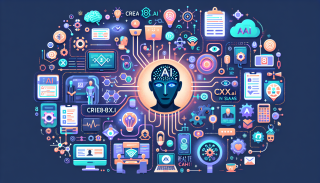
Revolutionizing Classrooms: The Role of AI in Modern Education
Artificial Intelligence (AI) is transforming classrooms, creating a dynamic and personalized learning environment. By integrating AI, educational institutions can offer tailored learning experiences, enhancing student engagement and academic performance. AI-driven tools analyze individual learning patterns, providing customized content that caters to each student’s unique needs.
AI-powered platforms facilitate interactive learning, making education more engaging and effective. These platforms use machine learning algorithms to adapt to students’ progress, offering real-time feedback and support. This personalized approach helps students grasp complex concepts more easily, fostering a deeper understanding of the subject matter.
Moreover, AI assists educators by automating administrative tasks, allowing them to focus more on teaching. Tasks such as grading, attendance tracking, and scheduling can be efficiently managed by AI systems, reducing the workload on teachers. This automation not only saves time but also ensures accuracy and consistency in administrative processes.
AI also plays a crucial role in identifying learning disabilities and providing appropriate interventions. By analyzing students’ performance data, AI can detect early signs of learning difficulties, enabling timely support and resources. This proactive approach ensures that all students receive the help they need to succeed academically.
Furthermore, AI enhances collaborative learning by connecting students with peers and experts worldwide. Virtual classrooms and AI-driven communication tools facilitate seamless interaction, promoting knowledge sharing and cultural exchange. This global connectivity enriches the learning experience, preparing students for a diverse and interconnected world.
In addition, AI-driven analytics provide valuable insights into educational trends and student performance. Educators can use this data to refine teaching strategies, identify areas for improvement, and implement evidence-based practices. This data-driven approach ensures continuous improvement in the quality of education.
AI’s role in modern education extends beyond the classroom, offering lifelong learning opportunities. Online courses and AI-powered learning platforms provide flexible and accessible education for individuals of all ages. This democratization of education empowers people to acquire new skills and knowledge, fostering personal and professional growth.
In conclusion, AI is revolutionizing education by creating personalized, efficient, and inclusive learning environments. Its impact on classrooms is profound, enhancing both teaching and learning experiences. As AI continues to evolve, its potential to transform education and empower minds is boundless.
Personalized Learning: How AI Tailors Education to Individual Needs
Artificial Intelligence (AI) is revolutionizing the education sector by offering personalized learning experiences tailored to individual needs. This innovative approach leverages advanced algorithms to analyze student data, enabling educators to customize instructional methods and materials. The result is a more engaging and effective learning environment that caters to each student’s unique strengths and weaknesses.
AI-driven personalized learning systems assess various factors, including learning pace, comprehension levels, and preferred learning styles. By doing so, these systems can adapt educational content in real-time, ensuring that students receive the most relevant and beneficial information. This dynamic adjustment not only enhances understanding but also fosters a deeper connection to the subject matter.
Moreover, AI tools provide valuable insights into student performance, identifying areas where additional support may be needed. This proactive approach allows educators to intervene promptly, offering targeted assistance to help students overcome challenges. As a result, learners can achieve their full potential, regardless of their starting point.
Another significant advantage of AI in personalized learning is its ability to create a more inclusive educational environment. By accommodating diverse learning needs, AI ensures that all students, including those with disabilities or learning difficulties, have access to quality education. This inclusivity promotes equity and helps bridge the gap between different learner groups.
Furthermore, AI-powered platforms offer a wealth of resources, such as interactive simulations, virtual labs, and gamified learning experiences. These engaging tools not only make learning more enjoyable but also reinforce key concepts through practical application. By integrating these resources into the curriculum, educators can create a more immersive and effective learning experience.
In conclusion, AI’s role in personalized learning is transforming the education landscape. By tailoring educational experiences to individual needs, AI enhances student engagement, improves performance, and fosters a more inclusive and equitable learning environment. As technology continues to evolve, the potential for AI to further revolutionize education remains boundless.
Bridging Gaps: AI’s Potential to Address Educational Inequities
Artificial Intelligence (AI) holds immense potential to address educational inequities, offering innovative solutions to bridge gaps in learning opportunities. By leveraging AI, educational institutions can provide personalized learning experiences, ensuring that each student receives tailored instruction based on their unique needs and abilities. This technology can identify learning patterns, predict challenges, and offer customized resources, thereby enhancing the overall educational experience.
AI-driven tools can also democratize access to quality education. For instance, AI-powered platforms can deliver high-quality educational content to students in remote or underserved areas, breaking down geographical barriers. These platforms can offer interactive lessons, real-time feedback, and adaptive learning paths, making education more accessible and engaging for all learners.
Moreover, AI can assist educators in identifying and addressing learning gaps more efficiently. By analyzing vast amounts of data, AI can pinpoint areas where students struggle and suggest targeted interventions. This data-driven approach enables teachers to focus on individual student needs, fostering a more inclusive and supportive learning environment.
Additionally, AI can support students with disabilities by providing assistive technologies that cater to their specific requirements. For example, speech recognition software can help students with hearing impairments, while text-to-speech tools can aid those with visual impairments. These technologies ensure that all students, regardless of their abilities, have equal opportunities to succeed in their educational journey.
Furthermore, AI can enhance the professional development of educators by offering personalized training programs. These programs can adapt to the learning pace and style of each teacher, ensuring that they acquire the necessary skills and knowledge to effectively integrate AI into their teaching practices. This continuous professional growth ultimately benefits students, as well-prepared educators can better support their learning needs.
In conclusion, AI has the potential to transform the education sector by addressing inequities and providing personalized, accessible, and inclusive learning experiences. By harnessing the power of AI, educational institutions can create a more equitable and effective learning environment for all students.
From Data to Insights: AI-Driven Analytics in Education
Artificial Intelligence (AI) is revolutionizing the education sector by transforming raw data into actionable insights. This transformation is achieved through AI-driven analytics, which enables educators to make informed decisions, personalize learning experiences, and improve student outcomes. By leveraging advanced algorithms, AI can analyze vast amounts of educational data, uncovering patterns and trends that were previously hidden.
AI-driven analytics in education involves several key components:
- Data Collection: AI systems gather data from various sources, including student performance, attendance records, and engagement metrics.
- Data Processing: Advanced algorithms process this data, identifying significant patterns and correlations.
- Predictive Analytics: AI predicts future trends and outcomes, helping educators to anticipate student needs and tailor their teaching strategies accordingly.
- Personalized Learning: By analyzing individual student data, AI can create customized learning paths that cater to each student’s strengths and weaknesses.
- Real-Time Feedback: AI provides immediate feedback to students and teachers, enabling timely interventions and support.
These components work together to create a comprehensive AI-driven analytics system that enhances the educational experience. For instance, predictive analytics can identify students at risk of falling behind, allowing educators to intervene early and provide targeted support. Personalized learning paths ensure that each student receives the appropriate level of challenge and support, fostering a more engaging and effective learning environment.
Moreover, AI-driven analytics can help schools and educational institutions optimize their resources. By analyzing data on resource utilization, AI can suggest improvements in areas such as classroom management, curriculum development, and staff allocation. This optimization leads to more efficient operations and better educational outcomes.
In conclusion, AI-driven analytics is a powerful tool that is reshaping the education sector. By transforming data into actionable insights, AI enables educators to make data-driven decisions, personalize learning experiences, and improve student outcomes. As AI technology continues to evolve, its impact on education will only grow, offering new opportunities for enhancing the learning experience and empowering minds.
Enhancing Teacher Capabilities: AI as a Supportive Tool
Artificial Intelligence (AI) is revolutionizing the education sector by enhancing teacher capabilities. This transformative technology serves as a supportive tool, enabling educators to deliver personalized learning experiences and streamline administrative tasks. By integrating AI into the classroom, teachers can focus more on student engagement and less on routine activities.
AI-powered tools assist in various aspects of teaching, from grading assignments to providing real-time feedback. These tools analyze student performance data, identifying areas where learners need additional support. This data-driven approach allows educators to tailor their teaching strategies, ensuring each student receives the attention they need to succeed.
Moreover, AI facilitates the creation of adaptive learning environments. These environments adjust the difficulty level of tasks based on individual student progress, promoting a more effective learning experience. Teachers can utilize AI to develop customized lesson plans that cater to diverse learning styles, making education more inclusive and accessible.
Administrative efficiency is another significant benefit of AI in education. Automated systems handle tasks such as scheduling, attendance tracking, and resource management, reducing the administrative burden on teachers. This efficiency allows educators to dedicate more time to instructional activities and student interaction.
AI also supports professional development for teachers. Intelligent platforms offer personalized training programs, helping educators stay updated with the latest teaching methodologies and technological advancements. These programs provide valuable insights and resources, empowering teachers to enhance their skills continuously.
In summary, AI is a powerful ally in the education sector, augmenting teacher capabilities and fostering a more dynamic and efficient learning environment. By leveraging AI, educators can provide personalized, adaptive, and inclusive education, ultimately empowering students to achieve their full potential.
Future-Ready Students: Preparing the Next Generation with AI
In the rapidly evolving landscape of education, the integration of artificial intelligence (AI) is pivotal in shaping future-ready students. AI’s transformative power is not just a trend but a fundamental shift in how learners are prepared for the challenges of tomorrow. By leveraging AI, educational institutions can provide personalized learning experiences, enhance critical thinking skills, and foster a deeper understanding of complex subjects.
AI-driven tools and platforms offer tailored educational content, adapting to each student’s unique learning pace and style. This personalized approach ensures that learners receive the support they need, precisely when they need it, thereby maximizing their potential. Moreover, AI can identify knowledge gaps and provide targeted interventions, helping students to overcome obstacles and achieve academic success.
Another significant advantage of AI in education is its ability to cultivate critical thinking and problem-solving skills. Through interactive simulations and real-time feedback, students are encouraged to explore, experiment, and engage with the material in a meaningful way. This hands-on approach not only enhances comprehension but also prepares students for real-world scenarios where analytical thinking is crucial.
Furthermore, AI facilitates a collaborative learning environment. By connecting students with peers and educators worldwide, AI-powered platforms promote a global exchange of ideas and perspectives. This interconnectedness enriches the learning experience, broadening students’ horizons and fostering a sense of global citizenship.
In addition to these benefits, AI also plays a crucial role in administrative tasks, allowing educators to focus more on teaching and less on paperwork. Automated grading systems, for instance, provide instant feedback, enabling teachers to quickly identify and address students’ needs. This efficiency not only improves the quality of education but also enhances the overall learning experience.
As the education sector continues to embrace AI, it is essential to ensure that students are equipped with the skills necessary to thrive in an AI-driven world. This includes not only technical proficiency but also ethical considerations and an understanding of AI’s broader societal impact. By integrating AI into the curriculum, educators can prepare students to navigate and contribute to a future where AI is ubiquitous.
In conclusion, AI’s influence on education is profound and far-reaching. By harnessing its potential, educational institutions can create a dynamic, personalized, and engaging learning environment that prepares students for the complexities of the future. As AI continues to evolve, its role in education will undoubtedly expand, offering even more opportunities to empower the next generation of learners.
Challenges and Opportunities: Navigating AI Integration in Schools
Integrating artificial intelligence (AI) into educational institutions presents both significant challenges and promising opportunities. The adoption of AI in schools can revolutionize learning experiences, but it also requires careful navigation to address potential obstacles.
One of the primary challenges is the digital divide. Not all schools have equal access to advanced technology, which can exacerbate existing educational inequalities. Ensuring equitable access to AI tools is crucial for fostering an inclusive learning environment.
Another concern is data privacy. AI systems often rely on vast amounts of student data to function effectively. Protecting this sensitive information from breaches and misuse is paramount. Schools must implement robust cybersecurity measures and adhere to strict data protection regulations.
Teacher training is also essential. Educators need to be proficient in using AI tools to enhance their teaching methods. Professional development programs should be established to equip teachers with the necessary skills and knowledge.
Despite these challenges, the opportunities presented by AI integration are substantial. AI can personalize learning experiences, catering to individual student needs and learning paces. This personalized approach can improve student engagement and academic performance.
Moreover, AI can automate administrative tasks, allowing teachers to focus more on instruction and student interaction. This can lead to a more efficient and effective educational system.
AI-powered analytics can provide valuable insights into student performance and behavior. These insights can help educators identify areas where students may need additional support, enabling targeted interventions.
In conclusion, while the integration of AI in schools comes with its set of challenges, the potential benefits are immense. By addressing issues such as the digital divide, data privacy, and teacher training, educational institutions can harness the power of AI to create a more personalized, efficient, and effective learning environment.