Revolutionizing Creativity: The Role of AI in Artistic Innovation
Artificial Intelligence (AI) is transforming the landscape of artistic innovation, offering unprecedented tools for creativity. By leveraging advanced algorithms, AI can generate unique artworks, music, and literary pieces, pushing the boundaries of human imagination. This technological revolution is not just about automation; it’s about enhancing the creative process, providing artists with new mediums and methods to express their visions.
AI-powered tools are capable of analyzing vast datasets, identifying patterns, and producing original content that resonates with audiences. These tools can mimic various artistic styles, from classical to contemporary, enabling creators to experiment with different aesthetics without extensive training. Moreover, AI can assist in the ideation phase, offering suggestions and inspirations that might not have been considered otherwise.
One of the most significant impacts of AI in art is its ability to democratize creativity. With user-friendly interfaces and accessible platforms, even those without formal artistic training can produce high-quality works. This inclusivity fosters a diverse range of voices and perspectives, enriching the cultural tapestry.
AI’s role in artistic innovation extends beyond creation to curation and personalization. Algorithms can curate personalized art experiences, recommending pieces based on individual preferences and past interactions. This personalized approach enhances engagement, making art more accessible and enjoyable for a broader audience.
Furthermore, AI can analyze audience reactions and feedback, providing valuable insights for artists. This data-driven approach allows creators to refine their work, ensuring it resonates more deeply with their audience. The iterative process facilitated by AI leads to continuous improvement and innovation in artistic endeavors.
In conclusion, AI is revolutionizing creativity by offering new tools and methods for artistic expression. It democratizes the creative process, making it accessible to a wider audience, and enhances engagement through personalized experiences. As AI continues to evolve, its role in artistic innovation will undoubtedly expand, opening up new possibilities for creators and audiences alike.
From Concept to Creation: How AI Tools are Transforming Imagination
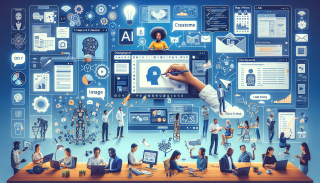
Artificial Intelligence (AI) tools are revolutionizing the way ideas are transformed into tangible creations. These advanced technologies are not only enhancing creativity but also streamlining the entire creative process. By leveraging AI, artists, designers, and creators can bring their imaginative concepts to life with unprecedented efficiency and precision.
AI-powered tools offer a plethora of functionalities that cater to various aspects of the creative journey. From generating initial ideas to refining final outputs, these tools are indispensable in modern creative workflows. Here are some key ways AI tools are transforming imagination into creation:
- Idea Generation: AI algorithms can analyze vast amounts of data to inspire new concepts. By identifying patterns and trends, these tools can suggest innovative ideas that might not have been considered otherwise.
- Design Assistance: AI-driven design tools can automate repetitive tasks, allowing creators to focus on more complex aspects of their projects. These tools can also provide real-time feedback, helping to refine designs quickly.
- Content Creation: From writing to visual arts, AI can generate content that aligns with the creator’s vision. For instance, AI can write articles, create music, or even generate artwork based on specific inputs.
- Personalization: AI tools can tailor content to individual preferences, ensuring that the final product resonates with the target audience. This level of customization enhances user engagement and satisfaction.
- Efficiency: By automating mundane tasks, AI tools significantly reduce the time and effort required to complete creative projects. This efficiency allows creators to explore more ideas and iterate faster.
Moreover, AI tools are not limited to professional creators. They are accessible to hobbyists and amateurs, democratizing creativity and enabling anyone to bring their ideas to fruition. The integration of AI in creative processes is fostering a new era of innovation, where imagination knows no bounds.
In conclusion, AI tools are pivotal in transforming abstract concepts into concrete creations. By enhancing idea generation, assisting in design, creating content, personalizing outputs, and improving efficiency, these tools are reshaping the landscape of creativity. As AI continues to evolve, its impact on the creative industry will only grow, unlocking new possibilities and pushing the boundaries of what can be imagined and created.
The Future of Creativity: AI’s Impact on Artistic Expression
Artificial Intelligence (AI) is revolutionizing the realm of artistic expression, offering unprecedented opportunities for creativity. By leveraging advanced AI tools, artists can explore new dimensions of imagination, pushing the boundaries of traditional art forms. This transformation is not just about enhancing existing techniques but also about creating entirely new genres of art.
AI-powered creativity tools enable artists to generate unique artworks, music, and literature with remarkable precision and innovation. These tools analyze vast datasets, learning from countless examples to produce original pieces that reflect a blend of human ingenuity and machine intelligence. The synergy between AI and human creativity results in art that is both novel and deeply resonant.
One of the most significant impacts of AI on artistic expression is the democratization of creativity. Advanced AI tools are accessible to a broader audience, allowing individuals without formal training to create professional-quality art. This inclusivity fosters a diverse range of voices and perspectives, enriching the global artistic landscape.
Moreover, AI’s ability to process and analyze large volumes of data enables artists to experiment with complex patterns and structures that would be challenging to achieve manually. This capability opens up new avenues for artistic exploration, from generative art to interactive installations. Artists can now collaborate with AI to co-create pieces that are dynamic and evolving, offering viewers an immersive experience.
AI also plays a crucial role in preserving and restoring art. By analyzing historical artworks, AI can assist in identifying and repairing damaged pieces, ensuring that cultural heritage is maintained for future generations. This technological intervention not only safeguards the past but also inspires contemporary artists to draw from historical influences in innovative ways.
Despite the numerous advantages, the integration of AI in art raises important ethical considerations. Questions about authorship, originality, and the role of the artist in the creative process are at the forefront of this discourse. As AI continues to evolve, it is essential to address these issues to ensure that the fusion of technology and art remains a force for positive transformation.
In conclusion, AI’s impact on artistic expression is profound and multifaceted. By enhancing creativity, democratizing access to artistic tools, and preserving cultural heritage, AI is reshaping the future of art. As artists and technologists navigate this evolving landscape, the potential for innovation and inspiration is boundless.
Harnessing AI for Unprecedented Creative Breakthroughs
Artificial Intelligence (AI) is revolutionizing the creative landscape, offering unprecedented opportunities for innovation. By leveraging advanced AI tools, creators can transcend traditional boundaries, unlocking new realms of artistic expression. These tools enable the generation of unique content, from intricate designs to compelling narratives, with remarkable efficiency and precision.
AI-powered creativity tools are transforming various industries, including:
- Art and Design: AI algorithms can generate stunning visuals, blending styles and techniques to produce original artwork. These tools assist artists in exploring new creative directions, enhancing their artistic capabilities.
- Writing and Storytelling: Advanced AI models can craft engaging stories, offering writers a collaborative partner that suggests plot twists, character development, and even dialogue. This symbiosis between human and machine fosters richer, more dynamic narratives.
- Music Composition: AI-driven software can compose music, experimenting with melodies and harmonies that push the boundaries of traditional music theory. Musicians can use these compositions as inspiration or integrate them into their work, creating innovative soundscapes.
- Film and Animation: AI tools streamline the production process, from scriptwriting to post-production. They can generate realistic animations, enhance visual effects, and even predict audience reactions, ensuring a more engaging cinematic experience.
These advancements are not just about efficiency; they are about expanding the horizons of what is possible. AI tools provide a platform for experimentation, allowing creators to take risks and explore uncharted territories. This fusion of human ingenuity and machine intelligence is driving a new era of creativity, where the only limit is the imagination.
Moreover, AI’s ability to analyze vast amounts of data enables it to identify patterns and trends that might elude human perception. This insight can inform creative decisions, leading to more impactful and resonant works. By harnessing the power of AI, creators can tap into a wellspring of inspiration, transforming their visions into reality with unparalleled precision and flair.
In conclusion, the integration of AI in creative processes is not merely a technological advancement; it is a paradigm shift. It empowers creators to push the boundaries of their craft, fostering a symbiotic relationship between human creativity and artificial intelligence. As these tools continue to evolve, the potential for groundbreaking creative breakthroughs will only grow, heralding a new dawn of artistic innovation.
AI and Imagination: A New Era of Creative Possibilities
Artificial Intelligence (AI) has revolutionized the realm of creativity, ushering in a new era of imaginative possibilities. By leveraging advanced AI tools, creators can now explore uncharted territories of artistic expression. These tools enable the generation of unique content, blending human ingenuity with machine precision.
AI-powered imagination transcends traditional boundaries, offering unprecedented opportunities for innovation. Through machine learning algorithms, AI can analyze vast datasets, identifying patterns and generating novel ideas. This symbiotic relationship between human creativity and AI technology fosters a dynamic environment where imagination thrives.
One of the most significant advantages of AI in creative fields is its ability to enhance productivity. By automating repetitive tasks, AI allows artists, writers, and designers to focus on the conceptual aspects of their work. This not only accelerates the creative process but also elevates the quality of the output.
Moreover, AI tools can simulate various artistic styles, providing creators with a diverse palette of options. Whether it’s generating music, crafting visual art, or writing compelling narratives, AI can mimic and innovate upon existing styles, pushing the boundaries of what is possible. This versatility empowers creators to experiment and refine their craft in ways previously unimaginable.
In addition to enhancing individual creativity, AI fosters collaboration. By integrating AI tools into collaborative platforms, teams can seamlessly share ideas and co-create in real-time. This collective intelligence amplifies the creative potential, leading to more innovative and impactful outcomes.
Furthermore, AI’s ability to process and interpret complex data sets enables it to offer personalized recommendations. By understanding user preferences and behaviors, AI can suggest tailored creative solutions, ensuring that the final product resonates with the intended audience. This level of customization enhances user engagement and satisfaction.
As AI continues to evolve, its role in the creative industry will only expand. The fusion of human creativity and AI technology promises a future where imagination knows no bounds. By embracing these advanced tools, creators can unlock new dimensions of artistic expression, transforming their visions into reality.
Empowering Artists: The Synergy Between Human Creativity and AI
In the modern era, the fusion of human creativity and artificial intelligence (AI) is revolutionizing the artistic landscape. This synergy empowers artists to transcend traditional boundaries, unlocking new realms of imagination and innovation. AI tools, equipped with advanced algorithms, assist artists in generating unique concepts, enhancing their creative processes, and producing extraordinary works of art.
AI-powered platforms offer a plethora of features that augment artistic capabilities:
- Idea Generation: AI algorithms analyze vast datasets to inspire novel ideas, providing artists with a rich source of creative stimuli.
- Design Assistance: These tools can suggest design elements, color palettes, and compositions, helping artists refine their visions.
- Automated Tasks: AI can handle repetitive tasks, such as background removal or image enhancement, allowing artists to focus on more intricate aspects of their work.
- Personalization: AI systems learn from an artist’s style and preferences, offering tailored suggestions that align with their unique artistic voice.
The integration of AI in the creative process does not diminish the role of the artist; rather, it amplifies their potential. By leveraging AI, artists can explore uncharted territories, experiment with unconventional techniques, and push the boundaries of their craft. This collaboration between human ingenuity and machine intelligence fosters a dynamic environment where creativity flourishes.
Moreover, AI democratizes art by making sophisticated tools accessible to a broader audience. Emerging artists, who may lack resources, can now utilize AI to produce high-quality work, gaining visibility and recognition in the competitive art world. This inclusivity nurtures a diverse artistic community, enriching the cultural tapestry with varied perspectives and styles.
In conclusion, the harmonious blend of human creativity and AI technology is a catalyst for artistic evolution. It empowers artists to innovate, experiment, and express themselves in unprecedented ways. As AI continues to advance, its role in the creative domain will undoubtedly expand, heralding a new era of artistic exploration and expression.
Exploring the Boundaries of Art with AI-Powered Tools
Artificial Intelligence (AI) is revolutionizing the art world, pushing the boundaries of creativity and innovation. AI-powered tools are enabling artists to explore new dimensions, blending technology with traditional artistic techniques. These advanced tools offer unprecedented opportunities for creating unique and imaginative works of art.
AI-driven applications can analyze vast amounts of data, learning from various art styles and techniques. This allows them to generate original pieces that reflect a fusion of different artistic influences. By leveraging machine learning algorithms, these tools can mimic human creativity, producing artwork that is both novel and captivating.
One of the most significant advantages of AI in art is its ability to enhance the creative process. Artists can use AI to experiment with different styles, colors, and compositions, pushing the limits of their imagination. This not only saves time but also opens up new possibilities for artistic expression.
Moreover, AI-powered tools can assist in the restoration and preservation of historical artworks. By analyzing the original pieces, these tools can help recreate damaged sections with remarkable accuracy, ensuring that the integrity of the artwork is maintained. This application of AI is invaluable in preserving cultural heritage for future generations.
Another exciting aspect of AI in art is its potential to democratize creativity. With AI tools becoming more accessible, individuals without formal training can explore their artistic potential. This democratization fosters a more inclusive art community, where diverse voices and perspectives can be expressed and appreciated.
In addition to creating and preserving art, AI can also enhance the way art is experienced. Virtual reality (VR) and augmented reality (AR) technologies, powered by AI, offer immersive experiences that allow viewers to interact with art in new and engaging ways. These technologies can transform traditional art exhibitions, making them more dynamic and interactive.
AI-powered tools are not just limited to visual arts. They are also making significant strides in music, literature, and other creative fields. For instance, AI can compose music, write poetry, and even generate scripts for films. This cross-disciplinary application of AI highlights its versatility and potential to revolutionize various forms of artistic expression.
In conclusion, AI-powered tools are reshaping the art world, offering new avenues for creativity and innovation. By blending technology with traditional techniques, these tools are expanding the boundaries of what is possible in art. As AI continues to evolve, it will undoubtedly play an increasingly important role in the future of artistic expression.