
Revolutionizing Diagnostics: AI’s Role in Early Disease Detection
Artificial Intelligence (AI) is transforming the landscape of medical diagnostics, particularly in the realm of early disease detection. By leveraging advanced algorithms and machine learning, AI systems can analyze vast amounts of medical data with unprecedented accuracy and speed. This capability is crucial for identifying diseases at their nascent stages, where early intervention can significantly improve patient outcomes.
AI-driven diagnostic tools excel in processing complex datasets, including medical imaging, genetic information, and electronic health records. These tools can detect subtle patterns and anomalies that might elude human practitioners. For instance, AI algorithms can scrutinize radiological images to identify early signs of cancer, often with greater precision than traditional methods.
Moreover, AI’s role extends beyond mere detection. It also aids in predicting disease progression and personalizing treatment plans. By analyzing patient data, AI can forecast potential health risks and suggest preventive measures, thereby enhancing the overall quality of healthcare services.
The integration of AI in diagnostics is not without challenges. Issues such as data privacy, algorithmic bias, and the need for extensive training data must be addressed. However, the potential benefits far outweigh these hurdles. As AI technology continues to evolve, its application in early disease detection is expected to become even more sophisticated and widespread.
In summary, AI is revolutionizing diagnostics by enabling early and accurate disease detection. This advancement not only improves patient outcomes but also paves the way for more personalized and effective healthcare solutions. As the technology matures, its impact on the medical field will undoubtedly grow, heralding a new era of precision medicine.
Personalized Treatment Plans: How AI Tailors Healthcare
Artificial Intelligence (AI) is revolutionizing healthcare by creating personalized treatment plans tailored to individual patient needs. This innovative approach leverages vast amounts of data to provide precise, effective, and customized medical care. AI algorithms analyze patient history, genetic information, lifestyle factors, and even real-time health data to develop treatment strategies that are uniquely suited to each patient.
One of the key advantages of AI in healthcare is its ability to process and interpret complex datasets quickly and accurately. This capability allows for the identification of patterns and correlations that might be missed by human practitioners. By integrating data from various sources, AI can predict potential health issues and recommend preventive measures, ensuring that patients receive the most appropriate care at the right time.
Moreover, AI-driven personalized treatment plans can adapt to changes in a patient’s condition. Continuous monitoring and data analysis enable dynamic adjustments to treatment protocols, enhancing their effectiveness. This adaptability is particularly beneficial for managing chronic diseases, where treatment needs can vary significantly over time.
AI also facilitates more informed decision-making by healthcare providers. By presenting comprehensive insights and evidence-based recommendations, AI supports clinicians in choosing the best course of action for their patients. This collaborative approach not only improves patient outcomes but also enhances the overall efficiency of healthcare delivery.
In addition to improving individual patient care, AI-powered personalized treatment plans contribute to the broader healthcare system. By optimizing resource allocation and reducing unnecessary interventions, AI helps to lower healthcare costs and improve access to quality care. This holistic impact underscores the transformative potential of AI in modern medicine.
In summary, AI’s ability to create personalized treatment plans represents a significant advancement in healthcare. By harnessing the power of data and advanced algorithms, AI ensures that patients receive tailored, effective, and timely medical care. This innovation not only enhances individual health outcomes but also contributes to a more efficient and sustainable healthcare system.
AI-Powered Predictive Analytics: Anticipating Patient Needs
AI-powered predictive analytics is revolutionizing healthcare by anticipating patient needs with unprecedented accuracy. This advanced technology leverages vast amounts of data to forecast potential health issues, enabling proactive interventions. By analyzing patterns in patient data, AI can identify risk factors and predict outcomes, ensuring timely and personalized care. This not only enhances patient satisfaction but also optimizes resource allocation, reducing unnecessary hospital visits and treatments.
Predictive analytics in healthcare utilizes machine learning algorithms to process complex datasets, including electronic health records, genetic information, and lifestyle data. These algorithms can detect subtle correlations that might be overlooked by human analysis. For instance, AI can predict the likelihood of chronic diseases such as diabetes or heart conditions, allowing for early preventive measures. This proactive approach significantly improves patient outcomes and reduces healthcare costs.
Moreover, AI-driven predictive analytics supports healthcare providers in making informed decisions. By offering insights into patient trends and potential health risks, it aids in developing personalized treatment plans. This tailored approach ensures that patients receive the most effective care based on their unique health profiles. Additionally, predictive analytics can streamline hospital operations by forecasting patient admissions and optimizing staffing levels, thereby enhancing overall efficiency.
Another significant advantage of AI in healthcare is its ability to continuously learn and improve. As more data is collected, the algorithms become increasingly accurate, refining their predictions over time. This continuous improvement cycle ensures that healthcare providers stay ahead of emerging health trends and can adapt their strategies accordingly. Furthermore, AI can integrate real-time data from wearable devices and remote monitoring systems, providing a comprehensive view of a patient’s health status.
In conclusion, AI-powered predictive analytics is a game-changer in the healthcare industry. By anticipating patient needs, it enables early interventions, personalized care, and efficient resource management. As this technology continues to evolve, it promises to further enhance the quality and accessibility of healthcare services, ultimately leading to better health outcomes for all.
Streamlining Administrative Tasks: AI in Healthcare Management
Artificial Intelligence (AI) is revolutionizing healthcare management by streamlining administrative tasks, enhancing efficiency, and reducing operational costs. The integration of AI in healthcare administration is transforming how medical facilities operate, ensuring that resources are utilized optimally and patient care is prioritized.
AI-driven systems are capable of automating routine tasks such as appointment scheduling, patient registration, and billing processes. This automation not only minimizes human error but also frees up healthcare professionals to focus on more critical aspects of patient care. By leveraging AI, healthcare providers can ensure that administrative processes are handled swiftly and accurately.
Moreover, AI algorithms can analyze vast amounts of data to provide actionable insights. These insights help in optimizing staff allocation, managing inventory, and predicting patient admission rates. For instance, predictive analytics can forecast patient influx, allowing hospitals to prepare adequately and allocate resources efficiently.
Another significant advantage of AI in healthcare management is its ability to enhance communication. AI-powered chatbots and virtual assistants can handle patient inquiries, provide information, and even assist in triaging cases. This ensures that patients receive timely responses, improving overall satisfaction and reducing the burden on administrative staff.
Additionally, AI can assist in compliance and regulatory tasks. By automating the documentation and reporting processes, AI ensures that healthcare facilities adhere to industry standards and regulations. This reduces the risk of non-compliance and potential legal issues, safeguarding the institution’s reputation.
In summary, the incorporation of AI in healthcare management is a game-changer. It streamlines administrative tasks, enhances operational efficiency, and allows healthcare professionals to dedicate more time to patient care. As AI technology continues to evolve, its impact on healthcare administration will undoubtedly grow, leading to more efficient and patient-centric healthcare services.
Enhancing Patient Monitoring: Real-Time Data and AI
Advancements in artificial intelligence (AI) are revolutionizing patient monitoring by providing real-time data analysis and predictive insights. This transformation is enhancing healthcare services, ensuring timely interventions, and improving patient outcomes. AI-driven systems continuously collect and analyze vast amounts of data from various sources, such as wearable devices, electronic health records, and medical imaging. These systems can detect anomalies and predict potential health issues before they become critical.
Real-time data collection and analysis enable healthcare providers to monitor patients’ vital signs and other health metrics continuously. This constant vigilance allows for early detection of conditions like heart disease, diabetes, and respiratory issues. AI algorithms can identify patterns and trends that may be missed by human observation, providing a more comprehensive understanding of a patient’s health status.
Moreover, AI-powered predictive analytics can forecast potential health events, allowing for proactive management of chronic diseases. For instance, AI can predict the likelihood of a patient experiencing a heart attack or stroke based on their historical data and current health metrics. This foresight enables healthcare professionals to take preventive measures, reducing the risk of severe health complications.
In addition to predictive capabilities, AI enhances patient monitoring through personalized treatment plans. By analyzing individual patient data, AI can recommend tailored interventions and therapies, ensuring that each patient receives the most effective care. This personalized approach not only improves patient outcomes but also optimizes resource utilization within healthcare systems.
Furthermore, AI-driven patient monitoring systems can integrate with telemedicine platforms, facilitating remote care and reducing the need for in-person visits. This integration is particularly beneficial for patients with mobility issues or those living in remote areas. By providing continuous monitoring and real-time data analysis, AI ensures that patients receive timely and appropriate care, regardless of their location.
Overall, the integration of AI in patient monitoring is transforming healthcare by providing real-time data analysis, predictive insights, and personalized treatment plans. These advancements are enhancing patient care, improving outcomes, and optimizing healthcare resources. As AI technology continues to evolve, its impact on patient monitoring and healthcare services will undoubtedly grow, leading to even more significant improvements in patient health and well-being.
Telemedicine and AI: Bridging the Gap in Remote Healthcare
Telemedicine and artificial intelligence (AI) are revolutionizing remote healthcare, offering unprecedented access to medical services. The integration of AI in telemedicine enhances diagnostic accuracy, patient monitoring, and personalized treatment plans. This synergy addresses the challenges of distance and limited healthcare resources, ensuring timely and effective care for patients in remote areas.
AI-powered telemedicine platforms utilize advanced algorithms to analyze patient data, providing healthcare professionals with actionable insights. These platforms can predict potential health issues, recommend preventive measures, and streamline the decision-making process. By leveraging machine learning, telemedicine systems continuously improve their diagnostic capabilities, leading to more accurate and efficient patient care.
Remote patient monitoring is another significant benefit of AI in telemedicine. Wearable devices and smart sensors collect real-time health data, which AI algorithms analyze to detect anomalies and predict potential health risks. This proactive approach enables early intervention, reducing hospital admissions and improving patient outcomes. Additionally, AI-driven telemedicine facilitates continuous patient engagement, encouraging adherence to treatment plans and promoting overall well-being.
Personalized treatment plans are a cornerstone of AI-enhanced telemedicine. By analyzing individual patient data, AI can tailor medical advice and treatment options to suit specific needs. This personalized approach not only improves the effectiveness of treatments but also enhances patient satisfaction and trust in healthcare services. Furthermore, AI can assist in managing chronic conditions by providing customized care plans and monitoring progress over time.
The integration of AI in telemedicine also addresses the issue of healthcare accessibility. In regions with limited medical infrastructure, AI-driven telemedicine platforms can bridge the gap by connecting patients with specialists from around the world. This global reach ensures that patients receive expert medical advice, regardless of their geographical location. Moreover, AI can assist in overcoming language barriers by providing real-time translation services, making healthcare more inclusive and accessible.
In conclusion, the combination of telemedicine and AI is transforming remote healthcare, offering numerous benefits such as enhanced diagnostic accuracy, proactive patient monitoring, personalized treatment plans, and improved accessibility. As technology continues to advance, the potential for AI in telemedicine will only grow, further bridging the gap in remote healthcare and ensuring that quality medical services are available to all.
Ethical Considerations: Balancing AI Innovation and Patient Privacy
In the realm of healthcare, the integration of artificial intelligence (AI) promises transformative advancements. However, this innovation must be balanced with the imperative of patient privacy. Ethical considerations are paramount as AI systems increasingly handle sensitive health data. Ensuring the confidentiality of patient information while leveraging AI’s capabilities is a complex but essential task.
AI in healthcare can enhance diagnostic accuracy, personalize treatment plans, and streamline administrative processes. Yet, these benefits come with the risk of data breaches and unauthorized access. Protecting patient privacy requires robust security measures and strict compliance with regulations such as the Health Insurance Portability and Accountability Act (HIPAA).
To navigate these ethical challenges, healthcare providers and AI developers must adhere to several key principles:
- Transparency: Clearly communicate how patient data is collected, used, and protected.
- Consent: Obtain explicit consent from patients before using their data for AI applications.
- Data Minimization: Collect only the data necessary for specific AI functions to reduce exposure risks.
- Security: Implement advanced encryption and access controls to safeguard patient information.
- Accountability: Establish clear accountability frameworks to address any breaches or misuse of data.
Balancing AI innovation with patient privacy also involves continuous monitoring and updating of security protocols. As AI technologies evolve, so too must the strategies to protect sensitive health information. Regular audits and assessments can help identify vulnerabilities and ensure compliance with ethical standards.
Moreover, fostering a culture of ethical responsibility within healthcare organizations is crucial. Training staff on data privacy and ethical AI use can mitigate risks and promote trust among patients. By prioritizing both innovation and privacy, the healthcare sector can harness the full potential of AI while safeguarding patient rights.
In conclusion, the ethical considerations surrounding AI in healthcare are multifaceted. Striking the right balance between technological advancement and patient privacy is essential for building a trustworthy and effective healthcare system. Through transparency, consent, data minimization, security, and accountability, the healthcare industry can navigate these challenges and achieve a harmonious integration of AI.

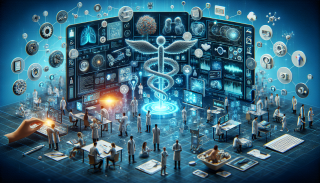


I have personally experienced the benefits of AI in healthcare services. It has helped in diagnosing diseases accurately and providing personalized treatment plans. The efficiency and accuracy of AI algorithms have significantly improved patient outcomes. I am excited to see how AI continues to revolutionize the healthcare industry.
As a technology enthusiast, I am fascinated by the advancements in AI for healthcare services. The integration of AI in medical imaging, predictive analytics, and personalized medicine is truly groundbreaking. I believe AI has the potential to enhance patient care, improve diagnosis accuracy, and streamline healthcare processes.
I have seen firsthand how AI has transformed healthcare services. From virtual health assistants to predictive analytics for disease prevention, AI is revolutionizing the way healthcare is delivered. The ability of AI to analyze vast amounts of data quickly and accurately is a game-changer for the industry.
The advancements in AI for healthcare services are truly remarkable. AI-powered tools like chatbots, remote monitoring devices, and predictive analytics are improving patient outcomes and reducing healthcare costs. The potential for AI to revolutionize healthcare delivery is immense, and I am excited to see how it continues to evolve.
I have personally experienced the benefits of AI in healthcare services. The accuracy and efficiency of diagnosis and treatment have significantly improved, leading to better patient outcomes. I am excited to see how AI continues to revolutionize the healthcare industry.
As a technology enthusiast, I am fascinated by the advancements in AI for healthcare services. The potential for personalized medicine and predictive analytics is truly groundbreaking. I wonder how AI will impact the doctor-patient relationship in the future.
I work in the healthcare industry and have seen firsthand how AI has streamlined processes and improved patient care. The ability to analyze vast amounts of data quickly and accurately is a game-changer. I am curious about the ethical implications of AI in healthcare.
AI has revolutionized the way healthcare services are delivered. From virtual health assistants to predictive analytics, the possibilities are endless. I am interested in learning more about the cybersecurity measures in place to protect patient data in AI-driven healthcare systems.
I have read about AI advancements in healthcare and find it both exciting and concerning. While the potential for improved patient outcomes is promising, there are also concerns about data privacy and job displacement. How can we ensure that AI is used ethically in healthcare?
As a healthcare professional, I have seen firsthand the incredible impact that AI advancements have had on patient care. The ability to analyze vast amounts of data quickly and accurately has revolutionized the way we diagnose and treat illnesses. I am excited to see how AI will continue to enhance healthcare services in the future.
I have always been fascinated by the intersection of technology and healthcare, and AI advancements in this field are truly groundbreaking. The potential for AI to improve patient outcomes, streamline processes, and reduce costs is immense. I look forward to seeing how these advancements will shape the future of healthcare.