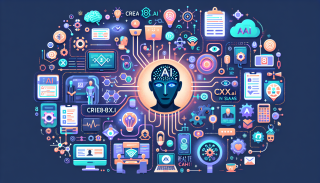
Transforming Classrooms: The Role of AI in Modern Education
Artificial Intelligence (AI) is revolutionizing modern education by transforming traditional classrooms into dynamic learning environments. The integration of AI in educational settings enhances personalized learning, automates administrative tasks, and provides real-time feedback, thereby improving the overall educational experience.
AI-driven tools enable educators to tailor instruction to individual student needs, fostering a more personalized learning journey. These tools analyze student performance data to identify strengths and weaknesses, allowing for customized lesson plans that cater to each learner’s unique requirements. This personalized approach not only boosts student engagement but also enhances academic outcomes.
Moreover, AI automates routine administrative tasks, freeing up valuable time for educators to focus on teaching. Tasks such as grading, attendance tracking, and scheduling can be efficiently managed by AI systems, reducing the administrative burden on teachers. This automation leads to a more streamlined and efficient educational process.
Real-time feedback is another significant advantage of AI in education. Intelligent tutoring systems and AI-powered assessment tools provide instant feedback to students, helping them understand their mistakes and learn from them promptly. This immediate feedback loop accelerates the learning process and ensures that students stay on track with their studies.
Additionally, AI facilitates the creation of immersive and interactive learning experiences. Virtual reality (VR) and augmented reality (AR) technologies, powered by AI, offer students hands-on learning opportunities that are both engaging and educational. These technologies make complex subjects more accessible and enjoyable, fostering a deeper understanding of the material.
AI also plays a crucial role in identifying and supporting students with special needs. Adaptive learning technologies can adjust the difficulty level of tasks based on the student’s abilities, ensuring that all learners receive the appropriate level of challenge and support. This inclusivity promotes a more equitable learning environment where every student has the opportunity to succeed.
Furthermore, AI-powered analytics provide educators with valuable insights into student performance and behavior. By analyzing data trends, teachers can identify at-risk students and intervene early to provide the necessary support. This proactive approach helps prevent academic struggles and promotes student success.
In conclusion, the integration of AI in modern education is transforming classrooms into more personalized, efficient, and engaging learning environments. By leveraging AI technologies, educators can enhance the learning experience, support diverse student needs, and ultimately improve educational outcomes.
Personalized Learning: How AI Tailors Education to Individual Needs
Artificial Intelligence (AI) is revolutionizing the educational landscape by offering personalized learning experiences tailored to individual needs. This innovative approach leverages advanced algorithms to analyze student data, enabling educators to customize instruction and resources. By understanding each learner’s strengths and weaknesses, AI can create a more effective and engaging educational journey.
One of the primary benefits of AI in education is its ability to provide real-time feedback. This immediate response helps students understand their mistakes and learn from them promptly. Additionally, AI-driven platforms can adapt to different learning styles, ensuring that each student receives the most suitable instructional methods. This adaptability is crucial for maintaining student engagement and fostering a deeper understanding of the material.
Moreover, AI can identify patterns in student performance, predicting potential challenges and offering proactive support. This predictive capability allows educators to intervene early, providing targeted assistance to those who need it most. By addressing issues before they become significant obstacles, AI helps to improve overall academic outcomes.
Another significant advantage of AI in personalized learning is its ability to curate content. AI systems can recommend resources, such as articles, videos, and exercises, that align with each student’s learning objectives and interests. This curated content not only enhances the learning experience but also encourages students to explore topics more deeply.
Furthermore, AI facilitates differentiated instruction by grouping students with similar learning needs. This grouping enables collaborative learning, where students can support and learn from each other. Collaborative learning environments foster a sense of community and enhance problem-solving skills.
In addition to these benefits, AI can also assist in administrative tasks, freeing up educators to focus more on teaching. Automated grading, for instance, reduces the time spent on evaluating assignments, allowing teachers to dedicate more time to personalized instruction and student interaction.
Overall, the integration of AI in educational settings is transforming the way students learn. By providing personalized learning experiences, real-time feedback, predictive support, curated content, and facilitating collaborative learning, AI is paving the way for a more effective and engaging educational experience. As AI technology continues to evolve, its potential to enhance education will only grow, offering even more opportunities for personalized learning and improved academic outcomes.
Bridging Gaps: AI’s Impact on Accessibility and Inclusivity in Schools
Artificial Intelligence (AI) is revolutionizing the educational landscape by enhancing accessibility and inclusivity in schools. AI-driven tools are breaking down barriers, providing personalized learning experiences, and ensuring that all students, regardless of their abilities, have equal opportunities to succeed.
One of the most significant impacts of AI in education is its ability to cater to diverse learning needs. AI-powered applications can adapt to individual learning styles, offering customized content that suits each student’s pace and comprehension level. This personalized approach not only boosts academic performance but also fosters a more inclusive learning environment.
Moreover, AI technologies are instrumental in supporting students with disabilities. For instance, speech recognition software and text-to-speech applications enable students with visual or auditory impairments to access educational materials effortlessly. Similarly, AI-driven predictive text and grammar correction tools assist students with dyslexia or other learning difficulties, making writing and reading tasks more manageable.
In addition to aiding students with disabilities, AI also plays a crucial role in bridging language gaps. AI-based translation tools and language learning applications help non-native speakers understand and engage with the curriculum. This not only enhances their learning experience but also promotes cultural diversity and inclusivity within the classroom.
Furthermore, AI can identify and address potential learning challenges early on. By analyzing student data, AI systems can detect patterns and predict which students might be at risk of falling behind. This proactive approach allows educators to intervene promptly, providing the necessary support to ensure no student is left behind.
AI’s impact on accessibility and inclusivity extends beyond the classroom. Virtual learning environments powered by AI offer flexible learning options for students who cannot attend school physically due to health issues or other constraints. These platforms provide a seamless learning experience, ensuring that all students have access to quality education regardless of their circumstances.
In conclusion, AI is a powerful tool that is transforming education by making it more accessible and inclusive. By leveraging AI technologies, schools can create a learning environment that caters to the needs of all students, fostering a culture of equality and inclusivity. As AI continues to evolve, its potential to enhance educational accessibility and inclusivity will only grow, paving the way for a more equitable future in education.
From Theory to Practice: Implementing AI Tools in Educational Curricula
Integrating AI tools into educational curricula transforms theoretical knowledge into practical applications, enhancing the learning experience. This process involves several key steps to ensure effective implementation and maximize the benefits of artificial intelligence in education.
- Curriculum Design: The first step is to design a curriculum that incorporates AI tools seamlessly. This involves identifying the specific areas where AI can add value, such as personalized learning, data analysis, and interactive content.
- Teacher Training: Educators must be trained to use AI tools effectively. This includes understanding the technology, its applications, and how to integrate it into their teaching methods.
- Resource Allocation: Schools need to allocate resources for AI tools, including hardware, software, and technical support. This ensures that the necessary infrastructure is in place for successful implementation.
- Student Engagement: AI tools should be used to engage students actively. This can be achieved through interactive lessons, personalized feedback, and adaptive learning paths that cater to individual needs.
- Assessment and Evaluation: Regular assessment and evaluation of AI tools are crucial. This helps in understanding their impact on learning outcomes and making necessary adjustments to improve effectiveness.
By following these steps, educational institutions can effectively transition from theory to practice, leveraging AI tools to create a more dynamic and personalized learning environment. This not only enhances student engagement but also prepares them for a future where AI plays a significant role in various industries.
Teacher’s New Best Friend: AI as a Support System in the Classroom
Artificial Intelligence (AI) is revolutionizing educational environments by serving as a robust support system for teachers. This technological advancement enhances classroom dynamics, offering personalized learning experiences and streamlining administrative tasks. AI tools can analyze student performance, identify learning gaps, and suggest tailored educational resources, thereby enabling educators to focus more on teaching and less on paperwork.
AI-driven platforms can adapt to individual student needs, providing customized lesson plans and real-time feedback. This adaptability ensures that each learner receives the attention they require, fostering a more inclusive and effective educational experience. Moreover, AI can assist in grading assignments, tracking attendance, and even predicting student outcomes, which significantly reduces the workload on teachers.
In addition to these benefits, AI can facilitate interactive learning through virtual reality (VR) and augmented reality (AR) applications. These immersive technologies can make complex subjects more accessible and engaging, thereby enhancing student comprehension and retention. Furthermore, AI-powered chatbots can offer instant support to students, answering queries and providing additional resources, which helps maintain a continuous learning process outside the classroom.
AI’s role in professional development for teachers is also noteworthy. By analyzing teaching methods and student feedback, AI can offer insights and recommendations for instructional improvement. This continuous feedback loop helps educators refine their strategies, ensuring that they remain effective and relevant in an ever-evolving educational landscape.
Overall, the integration of AI in educational settings is transforming the traditional classroom into a dynamic, efficient, and personalized learning environment. By leveraging AI, teachers can enhance their instructional methods, reduce administrative burdens, and provide a more tailored educational experience for their students.
Data-Driven Decisions: Enhancing Educational Outcomes with AI Analytics
In the realm of education, data-driven decisions are revolutionizing how educational outcomes are enhanced. By leveraging AI analytics, educators can gain profound insights into student performance, learning patterns, and potential areas for improvement. This transformative approach not only personalizes learning experiences but also optimizes resource allocation, ensuring that every student receives the support they need to succeed.
AI analytics in education involves the collection and analysis of vast amounts of data. This data encompasses various aspects such as student attendance, engagement levels, and academic performance. By processing this information, AI systems can identify trends and predict future outcomes, enabling educators to make informed decisions that positively impact student achievement.
One of the key benefits of AI-driven analytics is the ability to personalize learning. By understanding individual student needs and preferences, AI can tailor educational content and teaching methods to suit each learner. This personalized approach not only enhances student engagement but also fosters a deeper understanding of the subject matter.
Moreover, AI analytics can help identify at-risk students early on. By analyzing patterns in student behavior and performance, AI systems can flag those who may need additional support. This proactive approach allows educators to intervene promptly, providing targeted assistance to help students overcome challenges and stay on track.
Resource allocation is another area where AI analytics proves invaluable. By analyzing data on resource usage and student outcomes, educational institutions can optimize the distribution of resources such as teaching staff, learning materials, and technological tools. This ensures that resources are utilized effectively, maximizing their impact on student learning.
Furthermore, AI analytics can enhance curriculum development. By analyzing data on student performance and feedback, educators can identify areas where the curriculum may need adjustment. This continuous improvement process ensures that the curriculum remains relevant and effective, meeting the evolving needs of students.
In conclusion, the integration of AI analytics in education is a game-changer. By harnessing the power of data, educators can make informed decisions that enhance educational outcomes. From personalizing learning experiences to optimizing resource allocation, AI-driven analytics is paving the way for a more effective and efficient educational system.
Future Prospects: The Long-Term Benefits of AI in Education
Artificial Intelligence (AI) integration in educational settings promises transformative long-term benefits. By leveraging AI, educational institutions can enhance personalized learning, streamline administrative tasks, and foster innovative teaching methods. The future of education, enriched by AI, holds immense potential for both students and educators.
AI-driven personalized learning tailors educational experiences to individual student needs. This customization ensures that learners receive the right content at the right time, enhancing comprehension and retention. Adaptive learning platforms, powered by AI, can analyze student performance and adjust the curriculum accordingly, providing a more effective and engaging learning journey.
Moreover, AI can significantly reduce the administrative burden on educators. Automated grading systems, for instance, can evaluate assignments and provide instant feedback, allowing teachers to focus more on interactive and creative aspects of teaching. AI-powered tools can also manage scheduling, track student progress, and even predict potential academic challenges, enabling proactive interventions.
Innovative teaching methods are another promising aspect of AI in education. Virtual reality (VR) and augmented reality (AR), enhanced by AI, can create immersive learning environments that make complex subjects more accessible and engaging. These technologies can simulate real-world scenarios, providing hands-on experience without leaving the classroom.
Furthermore, AI can facilitate lifelong learning by offering continuous education opportunities. Online courses and learning platforms, driven by AI, can provide up-to-date content and personalized learning paths for individuals at any stage of their career. This adaptability ensures that learners can acquire new skills and knowledge relevant to the ever-evolving job market.
In addition, AI can help bridge educational gaps by providing resources to underserved communities. AI-powered educational tools can offer high-quality learning materials and support to students in remote or economically disadvantaged areas, promoting educational equity and inclusivity.
Finally, the integration of AI in education can foster a culture of innovation and critical thinking. By exposing students to advanced technologies and encouraging problem-solving skills, AI can prepare the next generation for the challenges and opportunities of the future workforce.
In conclusion, the long-term benefits of AI in education are vast and multifaceted. From personalized learning and administrative efficiency to innovative teaching methods and lifelong learning opportunities, AI has the potential to revolutionize the educational landscape, making it more effective, inclusive, and future-ready.