
Harnessing AI for Environmental Conservation
Artificial Intelligence (AI) is revolutionizing environmental conservation by providing innovative solutions to complex ecological challenges. Leveraging AI technologies, researchers and conservationists can monitor ecosystems, predict environmental changes, and implement effective conservation strategies. This integration of AI in ecology not only enhances data accuracy but also accelerates decision-making processes, ensuring timely interventions for preserving biodiversity.
AI-driven tools are instrumental in analyzing vast amounts of environmental data. These tools can identify patterns and trends that are often imperceptible to human analysts. For instance, machine learning algorithms can process satellite imagery to detect deforestation, track wildlife movements, and monitor ocean health. By automating these tasks, AI reduces the time and resources required for environmental monitoring, allowing for more efficient and comprehensive conservation efforts.
Moreover, AI-powered predictive models are crucial in forecasting environmental changes. These models can simulate various scenarios, helping scientists understand potential impacts of climate change, habitat loss, and other ecological threats. By predicting these changes, conservationists can develop proactive strategies to mitigate adverse effects, ensuring the sustainability of ecosystems.
Another significant application of AI in environmental conservation is in the realm of species identification and monitoring. AI algorithms can analyze audio recordings to identify bird calls, track animal populations through camera traps, and even recognize plant species from photographs. This capability is particularly valuable in remote or inaccessible areas, where traditional monitoring methods are challenging to implement.
AI also plays a pivotal role in combating illegal activities that threaten the environment. For example, AI systems can analyze data from various sources to detect illegal logging, poaching, and fishing activities. By identifying these activities in real-time, authorities can respond swiftly to prevent further damage and protect endangered species.
Furthermore, AI enhances community engagement in conservation efforts. Citizen science projects, powered by AI, enable individuals to contribute to environmental monitoring and data collection. These projects not only raise awareness about ecological issues but also empower communities to take an active role in conservation.
In conclusion, the integration of AI in environmental conservation offers unprecedented opportunities to protect and preserve our planet’s ecosystems. By harnessing the power of AI, researchers and conservationists can achieve more accurate, efficient, and effective conservation outcomes. As AI technology continues to evolve, its potential to address ecological challenges and promote sustainability will only grow, making it an indispensable tool in the fight to preserve the environment.
AI-Powered Solutions for Ecological Challenges
Artificial Intelligence (AI) is revolutionizing the way ecological challenges are addressed, offering innovative solutions to preserve the environment. By leveraging AI-powered technologies, significant strides are being made in various ecological domains, from wildlife conservation to climate change mitigation.
One of the primary applications of AI in ecology is in wildlife conservation. AI algorithms can analyze vast amounts of data from camera traps, drones, and satellite imagery to monitor animal populations and their habitats. This enables conservationists to track endangered species, detect poaching activities, and implement timely interventions.
In the realm of climate change, AI is instrumental in predicting and mitigating its impacts. Machine learning models can forecast weather patterns, analyze climate data, and simulate future scenarios. These insights help policymakers and scientists develop strategies to reduce greenhouse gas emissions and adapt to changing environmental conditions.
AI also plays a crucial role in ecosystem management. By processing data from various sources, AI systems can assess the health of ecosystems, identify threats, and recommend conservation actions. For instance, AI can detect deforestation activities in real-time, allowing for immediate response to illegal logging.
Another significant application is in agriculture. AI-driven solutions optimize farming practices by analyzing soil health, predicting crop yields, and managing water resources. This not only enhances food production but also minimizes the environmental footprint of agricultural activities.
Furthermore, AI aids in pollution control. Advanced algorithms can monitor air and water quality, detect pollution sources, and predict pollution levels. This information is vital for regulatory bodies to enforce environmental laws and for industries to adopt cleaner practices.
In summary, AI-powered solutions are pivotal in tackling ecological challenges. By harnessing the power of AI, it is possible to monitor wildlife, predict climate changes, manage ecosystems, optimize agriculture, and control pollution. These advancements are essential for preserving the environment and ensuring a sustainable future.
The Role of Artificial Intelligence in Biodiversity Protection
Artificial Intelligence (AI) is revolutionizing biodiversity protection by offering innovative solutions to monitor, analyze, and conserve ecosystems. AI-driven technologies are pivotal in addressing the challenges of environmental degradation and species extinction. These advanced systems enhance the efficiency and accuracy of ecological research, providing critical insights into the health of various habitats.
One of the primary applications of AI in biodiversity protection is species identification. Machine learning algorithms can process vast amounts of data from images, sounds, and videos to accurately identify and catalog species. This capability is essential for tracking population dynamics and detecting the presence of endangered species.
AI also plays a crucial role in habitat monitoring. Remote sensing technologies, combined with AI, enable continuous surveillance of large and inaccessible areas. These systems can detect changes in land use, deforestation, and other environmental threats in real-time, allowing for prompt intervention and conservation efforts.
Predictive modeling is another significant contribution of AI to biodiversity protection. By analyzing historical data and current trends, AI can forecast future ecological scenarios. These predictions help conservationists develop proactive strategies to mitigate potential threats to biodiversity.
Furthermore, AI facilitates the analysis of complex ecological data. Traditional methods of data analysis are often time-consuming and prone to errors. AI algorithms can quickly process and interpret large datasets, uncovering patterns and correlations that might otherwise go unnoticed. This capability is invaluable for understanding the intricate relationships within ecosystems and devising effective conservation plans.
AI-powered drones and autonomous vehicles are increasingly used for wildlife monitoring. These technologies can cover vast areas and collect data without disturbing the natural behavior of animals. They are particularly useful in tracking migratory patterns and monitoring remote or dangerous regions.
In addition to these applications, AI supports community-based conservation efforts. Citizen science projects, where volunteers collect data on local biodiversity, benefit from AI tools that validate and analyze the collected information. This collaboration between technology and community engagement enhances the scope and impact of conservation initiatives.
Overall, the integration of AI in biodiversity protection represents a paradigm shift in ecological research and conservation. By leveraging the power of AI, it is possible to develop more effective and sustainable strategies to preserve the planet’s rich biodiversity for future generations.
Smart Technologies for Sustainable Ecosystems
Smart technologies are revolutionizing the way ecosystems are managed and preserved. By leveraging artificial intelligence (AI), these advanced systems can monitor environmental changes, predict potential threats, and suggest sustainable solutions. AI-driven tools are instrumental in collecting and analyzing vast amounts of ecological data, enabling more informed decision-making processes.
One of the primary applications of AI in ecology is the use of remote sensing technologies. These systems utilize satellite imagery and drones to gather real-time data on various environmental parameters. This information is then processed using machine learning algorithms to detect patterns and anomalies that might indicate ecological disturbances.
Another significant application is the development of predictive models. These models use historical data and AI to forecast future environmental conditions. For instance, AI can predict the spread of invasive species or the impact of climate change on specific habitats. This predictive capability allows for proactive measures to be taken, mitigating potential damage before it occurs.
AI also plays a crucial role in biodiversity conservation. Machine learning algorithms can identify and classify species from images and audio recordings, making it easier to monitor wildlife populations. This technology is particularly useful in tracking endangered species and understanding their behaviors and habitats.
Moreover, AI-powered systems are enhancing the efficiency of resource management. For example, smart irrigation systems use AI to optimize water usage in agriculture, reducing waste and promoting sustainable farming practices. Similarly, AI can optimize energy consumption in various industries, contributing to overall environmental sustainability.
In addition to these applications, AI is being used to combat pollution. Advanced sensors and AI algorithms can detect pollutants in air and water, providing real-time data that can be used to address contamination issues promptly. This technology is vital for maintaining the health of ecosystems and ensuring the well-being of all living organisms.
Overall, the integration of smart technologies in ecosystem management is paving the way for a more sustainable future. By harnessing the power of AI, it is possible to protect and preserve the environment more effectively, ensuring that natural resources are available for generations to come.
AI Innovations in Wildlife Monitoring and Protection
Artificial Intelligence (AI) is revolutionizing wildlife monitoring and protection, offering innovative solutions to preserve biodiversity. By leveraging advanced algorithms and machine learning, AI enhances the ability to track, analyze, and protect wildlife populations. This technology is pivotal in addressing the challenges faced by conservationists and environmentalists worldwide.
AI-powered systems utilize a variety of data sources, including satellite imagery, camera traps, and acoustic sensors, to monitor wildlife habitats. These systems can identify species, track movements, and detect changes in the environment with remarkable accuracy. The integration of AI in wildlife monitoring not only improves data collection but also enables real-time analysis, facilitating prompt responses to potential threats.
- Satellite Imagery: AI algorithms analyze satellite images to monitor large areas, identifying changes in land use, deforestation, and habitat fragmentation.
- Camera Traps: Equipped with AI, camera traps can automatically identify and catalog species, reducing the need for manual data processing.
- Acoustic Sensors: AI analyzes audio recordings to detect and identify animal calls, providing insights into species presence and behavior.
Moreover, AI aids in combating illegal activities such as poaching and illegal logging. Predictive analytics can forecast poaching hotspots, allowing authorities to deploy resources more effectively. Drones equipped with AI can patrol protected areas, identifying suspicious activities and alerting rangers in real-time.
AI also plays a crucial role in habitat restoration. By analyzing environmental data, AI can recommend optimal strategies for reforestation and habitat rehabilitation. This ensures that restoration efforts are both effective and sustainable, promoting long-term ecological balance.
In addition to monitoring and protection, AI contributes to wildlife research. Machine learning models can analyze vast datasets, uncovering patterns and trends that were previously undetectable. This accelerates scientific discoveries and enhances our understanding of complex ecosystems.
Overall, the integration of AI in wildlife monitoring and protection represents a significant advancement in conservation efforts. By harnessing the power of AI, it is possible to safeguard biodiversity, combat illegal activities, and promote sustainable environmental practices. This technological innovation is essential for preserving the natural world for future generations.
Data-Driven Approaches to Environmental Preservation
In the quest for environmental preservation, data-driven approaches have emerged as pivotal tools. Leveraging artificial intelligence (AI) and machine learning, these methods offer unprecedented insights into ecological systems. By analyzing vast datasets, AI can identify patterns and predict environmental changes, enabling proactive measures to protect ecosystems.
One significant application of AI in ecology is in monitoring wildlife populations. Through the use of satellite imagery and sensor data, AI algorithms can track animal movements and habitat usage. This information is crucial for conservation efforts, as it helps identify critical areas that require protection and informs strategies to mitigate human-wildlife conflicts.
Another vital area where AI contributes is in climate change modeling. By processing historical climate data and current environmental conditions, AI can forecast future climate scenarios with high accuracy. These predictions are essential for developing adaptive strategies to combat climate change impacts, such as rising sea levels and extreme weather events.
AI also plays a role in pollution control. Machine learning models can analyze air and water quality data to detect pollution sources and predict contamination events. This capability allows for timely interventions to prevent environmental degradation and protect public health.
Furthermore, AI-driven approaches are revolutionizing sustainable agriculture. By analyzing soil health, weather patterns, and crop performance, AI can optimize farming practices to enhance yield while minimizing environmental impact. This sustainable approach ensures food security and conserves natural resources.
In addition to these applications, AI is instrumental in forest management. By processing satellite images and ground data, AI can monitor deforestation and forest health. This information is vital for implementing reforestation projects and preserving biodiversity.
Overall, data-driven approaches powered by AI are transforming environmental preservation. By providing actionable insights and predictive capabilities, AI enables more effective and efficient conservation efforts. As technology continues to advance, the potential for AI to contribute to ecological sustainability will only grow, offering hope for a healthier planet.
Artificial Intelligence: A New Ally in Ecology
Artificial intelligence (AI) is revolutionizing the field of ecology, offering innovative solutions to preserve the environment. By leveraging advanced algorithms and machine learning, AI can analyze vast amounts of ecological data, providing insights that were previously unattainable. This technology aids in monitoring wildlife, predicting environmental changes, and optimizing conservation efforts.
One of the primary applications of AI in ecology is wildlife monitoring. Traditional methods of tracking animal populations are often labor-intensive and time-consuming. AI, however, can process data from camera traps, drones, and satellite imagery to identify species, count individuals, and monitor their movements. This not only saves time but also increases accuracy, allowing for more effective conservation strategies.
Another significant application is in predicting environmental changes. AI models can analyze climate data, land use patterns, and other ecological factors to forecast changes in ecosystems. These predictions help scientists and policymakers make informed decisions to mitigate the impacts of climate change and habitat destruction. For instance, AI can predict the spread of invasive species or the effects of deforestation, enabling proactive measures to protect native flora and fauna.
AI also plays a crucial role in optimizing conservation efforts. By analyzing data on species distribution, habitat conditions, and human activities, AI can identify priority areas for conservation. This ensures that resources are allocated efficiently, maximizing the impact of conservation initiatives. Additionally, AI can help in designing and managing protected areas, ensuring that they provide the necessary conditions for biodiversity to thrive.
Furthermore, AI-driven tools are enhancing environmental monitoring and management. For example, AI can analyze air and water quality data in real-time, detecting pollution levels and identifying sources of contamination. This allows for timely interventions to prevent environmental degradation. Similarly, AI can assist in managing natural resources, such as forests and fisheries, by providing data-driven recommendations for sustainable practices.
In conclusion, artificial intelligence is a powerful ally in the quest to preserve the environment. Its ability to process and analyze large datasets with precision and speed makes it an invaluable tool for ecologists and conservationists. By harnessing the power of AI, it is possible to gain deeper insights into ecological systems, predict future changes, and implement effective conservation strategies. As technology continues to advance, the role of AI in ecology is likely to become even more significant, offering new opportunities to protect and sustain our planet’s biodiversity.



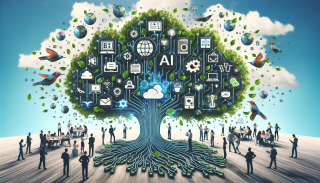


I have always been passionate about the environment and seeing AI being used to help preserve it is truly inspiring. I love how technology can be a force for good and make a positive impact on our planet. Can you provide more examples of AI applications in ecology?
As a tech enthusiast, I find the integration of AI in ecology fascinating. It’s amazing to see how machine learning algorithms can help monitor and protect wildlife populations. I wonder how AI can further assist in combating climate change and preserving biodiversity.
I’ve seen firsthand the destruction of natural habitats and the decline of species due to human activities. AI applications in ecology offer hope for a sustainable future. How can individuals contribute to supporting these initiatives and making a difference?
Being involved in environmental research, I appreciate the potential of AI in solving complex ecological challenges. The use of drones and AI for monitoring ecosystems is revolutionizing conservation efforts. Could you elaborate on the ethical considerations of using AI in ecology?
As an environmental enthusiast, I am fascinated by the potential of AI applications in ecology. It’s incredible to see how technology can be leveraged to protect our planet and its precious resources. I would love to learn more about specific projects where AI has made a significant impact in environmental conservation.
I believe that AI has the power to revolutionize the way we approach environmental challenges. My personal experience with using AI tools in ecology has shown me the immense benefits it can bring in terms of efficiency and accuracy. I am excited to see how this technology continues to evolve and contribute to a more sustainable future.
I have always been passionate about nature conservation, and the integration of AI in ecology is a game-changer. The ability of AI to process vast amounts of data and make informed decisions can greatly enhance our conservation efforts. I wonder how accessible these AI tools are for smaller organizations or individuals looking to make a difference.
The intersection of AI and ecology is an exciting frontier that holds immense promise for protecting our environment. I have seen firsthand how AI algorithms can analyze complex environmental data to facilitate better decision-making. I am curious about the potential ethical implications and limitations of AI in ecological conservation.