The Role of AI in Modern Gaming
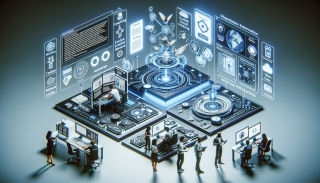
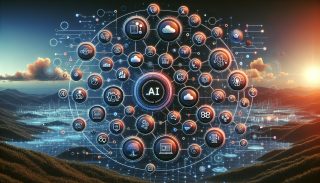
Artificial Intelligence (AI) has become a cornerstone in the evolution of modern gaming, transforming the way games are developed and experienced. By integrating AI, game developers can create more immersive and dynamic environments, enhancing player engagement and satisfaction.
One of the primary roles of AI in gaming is to improve non-player character (NPC) behavior. Advanced algorithms enable NPCs to exhibit more realistic and unpredictable actions, making gameplay more challenging and enjoyable. This level of sophistication ensures that players remain captivated, as NPCs can adapt to various scenarios and player strategies.
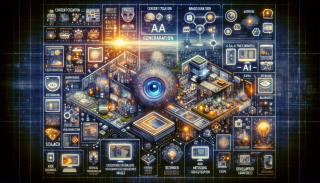
AI also plays a crucial role in procedural content generation. This technique allows for the creation of vast, intricate game worlds without the need for extensive manual design. By utilizing AI, developers can generate unique landscapes, quests, and challenges, ensuring that each player’s experience is distinct and personalized.
Moreover, AI-driven analytics provide valuable insights into player behavior. By analyzing in-game actions, preferences, and patterns, developers can fine-tune game mechanics and design elements to better align with player expectations. This data-driven approach not only enhances the gaming experience but also fosters a more loyal and engaged player base.
Another significant application of AI in gaming is in the realm of adaptive difficulty. AI algorithms can dynamically adjust the game’s difficulty level based on the player’s skill and progress. This ensures that the game remains challenging yet accessible, preventing frustration and maintaining a balanced experience for all players.
In addition, AI-powered voice recognition and natural language processing have revolutionized in-game communication. Players can now interact with NPCs and other players using natural speech, creating a more immersive and intuitive gaming environment. This technology also enables more sophisticated and context-aware responses, further enhancing the realism of the game world.
AI’s role in modern gaming extends to enhancing graphics and visual effects. Machine learning algorithms can optimize rendering processes, resulting in more detailed and lifelike visuals. This not only improves the aesthetic appeal of games but also contributes to a more engaging and realistic experience for players.
Furthermore, AI is instrumental in developing advanced cheat detection systems. By monitoring player behavior and identifying anomalies, AI can effectively detect and prevent cheating, ensuring a fair and enjoyable gaming environment for all participants.
In summary, the integration of AI in modern gaming has revolutionized the industry, offering unprecedented levels of immersion, personalization, and realism. From enhancing NPC behavior and procedural content generation to adaptive difficulty and advanced graphics, AI continues to push the boundaries of what is possible in gaming, creating richer and more engaging experiences for players worldwide.
How AI is Enhancing Player Engagement
Artificial Intelligence (AI) is transforming the gaming industry by significantly enhancing player engagement. Through advanced algorithms and machine learning, AI personalizes gaming experiences, making them more immersive and captivating. This personalization is achieved by analyzing player behavior, preferences, and skill levels, allowing games to adapt dynamically to individual players.
One of the key ways AI enhances player engagement is through adaptive difficulty. By continuously monitoring a player’s performance, AI can adjust the game’s difficulty level in real-time, ensuring that players remain challenged but not frustrated. This keeps the gaming experience enjoyable and engaging, encouraging players to spend more time in the game.
AI also plays a crucial role in creating more realistic and intelligent non-player characters (NPCs). These NPCs can interact with players in a more natural and unpredictable manner, making the game world feel more alive and responsive. This level of interaction adds depth to the gameplay, making it more engaging and memorable.
Moreover, AI-driven analytics provide valuable insights into player behavior, helping developers understand what aspects of the game are most engaging. This data can be used to refine game design, introduce new features, and create content that resonates with players. By continuously improving the gaming experience based on player feedback, AI ensures that games remain fresh and exciting.
Another significant contribution of AI is in the realm of procedural content generation. AI algorithms can create vast, diverse game worlds and unique challenges, ensuring that no two gaming sessions are the same. This variety keeps players intrigued and eager to explore new content, enhancing long-term engagement.
In addition, AI-powered recommendation systems suggest games and in-game purchases tailored to individual preferences. By offering personalized recommendations, AI helps players discover new games and content that they are likely to enjoy, increasing their overall satisfaction and engagement with the gaming platform.
Finally, AI enhances player engagement through real-time feedback and coaching. By analyzing gameplay, AI can provide tips and strategies to help players improve their skills. This not only makes the game more enjoyable but also fosters a sense of achievement and progression, motivating players to continue playing.
In conclusion, AI is revolutionizing the gaming industry by making games more personalized, challenging, and immersive. Through adaptive difficulty, intelligent NPCs, data-driven insights, procedural content generation, personalized recommendations, and real-time coaching, AI significantly enhances player engagement, ensuring that gaming experiences are more enjoyable and captivating than ever before.
AI-Driven Personalization in Video Games
AI-driven personalization in video games is transforming the gaming landscape by tailoring experiences to individual players. This advanced technology leverages machine learning algorithms to analyze player behavior, preferences, and skill levels, creating a unique and immersive gaming journey for each user. By understanding player patterns, AI can dynamically adjust game difficulty, suggest in-game purchases, and even customize storylines, ensuring a more engaging and satisfying experience.
One of the key benefits of AI-driven personalization is its ability to enhance player retention. By offering a customized experience, players are more likely to stay engaged and invested in the game. This not only boosts player satisfaction but also increases the game’s longevity and profitability. Additionally, AI can help identify and address player frustrations, providing real-time solutions and support to keep players motivated and entertained.
Moreover, AI-driven personalization can significantly improve the social aspects of gaming. By analyzing player interactions and preferences, AI can recommend friends, create balanced multiplayer matches, and foster a more inclusive and enjoyable gaming community. This level of personalization ensures that players feel connected and valued, further enhancing their overall gaming experience.
In conclusion, AI-driven personalization is revolutionizing the video game industry by offering tailored experiences that cater to individual player needs. This not only enhances player engagement and satisfaction but also drives the success and longevity of games. As AI technology continues to evolve, the potential for even more sophisticated and immersive gaming experiences is limitless.
Transforming Game Development with Artificial Intelligence
Artificial Intelligence (AI) is revolutionizing the gaming industry, transforming game development in unprecedented ways. By integrating AI, developers can create more immersive and dynamic gaming experiences. AI algorithms enable the creation of intelligent non-player characters (NPCs) that can adapt to player actions, making gameplay more engaging and unpredictable.
AI also enhances procedural content generation, allowing for the creation of vast, intricate game worlds with minimal manual input. This not only saves time but also ensures that each player’s experience is unique. Machine learning models can analyze player behavior to tailor challenges and rewards, providing a personalized gaming journey.
Moreover, AI-driven analytics offer invaluable insights into player preferences and habits. This data can be used to refine game mechanics, improve user interfaces, and develop targeted marketing strategies. By leveraging AI, developers can optimize game performance, reduce latency, and enhance graphics rendering, resulting in smoother and more visually stunning games.
In addition, AI facilitates advanced testing and debugging processes. Automated testing tools powered by AI can identify and rectify bugs more efficiently than traditional methods. This leads to higher-quality games and faster release cycles. AI can also predict potential issues before they arise, ensuring a more stable gaming environment.
Furthermore, AI integration supports the development of adaptive difficulty levels. Games can dynamically adjust their complexity based on the player’s skill level, ensuring a balanced and enjoyable experience for both novices and experts. This adaptability keeps players engaged and reduces frustration, fostering long-term player retention.
In summary, the integration of AI in game development is a game-changer. It enhances NPC intelligence, procedural content generation, player personalization, and game performance. AI-driven analytics and automated testing improve game quality and development efficiency. Adaptive difficulty levels ensure a balanced and engaging experience for all players. The future of gaming is undoubtedly intertwined with the advancements in AI technology.
The Future of Immersive Gaming: AI Innovations
Immersive gaming is on the brink of a revolution, driven by groundbreaking AI innovations. These advancements are set to transform the gaming landscape, offering players unprecedented levels of engagement and realism. AI’s role in gaming extends beyond mere enhancements; it is reshaping the very fabric of interactive entertainment.
One of the most significant contributions of AI to immersive gaming is the development of intelligent NPCs (Non-Player Characters). These characters, powered by sophisticated algorithms, exhibit lifelike behaviors and adaptive learning capabilities. This results in dynamic interactions that evolve based on player actions, creating a more personalized and engaging experience.
Another area where AI is making waves is in procedural content generation. This technology enables the creation of vast, intricate game worlds that are unique to each player. By leveraging AI, developers can generate diverse environments, quests, and challenges, ensuring that no two gaming experiences are identical. This not only enhances replayability but also keeps players constantly intrigued.
AI-driven analytics are also revolutionizing game design and player experience. By analyzing player behavior and preferences, AI can provide insights that help developers fine-tune game mechanics and difficulty levels. This ensures a balanced and enjoyable experience for a wide range of players, from novices to seasoned gamers.
Moreover, AI is enhancing the realism of virtual environments through advanced graphics and physics simulations. Machine learning algorithms can optimize rendering processes, resulting in stunning visuals and fluid animations. This level of detail immerses players in game worlds that feel almost indistinguishable from reality.
In addition to these innovations, AI is also playing a crucial role in enhancing accessibility in gaming. Adaptive AI systems can modify game settings in real-time to accommodate players with different abilities, ensuring that everyone can enjoy a seamless and inclusive gaming experience.
As AI continues to evolve, the future of immersive gaming looks incredibly promising. The integration of AI technologies is not just enhancing current gaming experiences but is also paving the way for entirely new genres and forms of interactive entertainment. The synergy between AI and gaming is set to unlock limitless possibilities, making the future of immersive gaming an exciting frontier for both developers and players alike.
AI-Powered NPCs: Creating Realistic Game Worlds
In the realm of video games, AI-powered NPCs (Non-Player Characters) are revolutionizing the way players interact with game worlds. These intelligent entities enhance immersion by exhibiting lifelike behaviors and responses. By leveraging advanced algorithms, developers can create NPCs that adapt to player actions, making each gaming experience unique and engaging.
AI-driven NPCs can perform a multitude of tasks that were previously impossible or required extensive scripting. These tasks include:
- Dynamic decision-making based on player interactions
- Real-time adaptation to changing game environments
- Complex social interactions and dialogues
- Enhanced pathfinding and movement patterns
- Personalized quest generation
Dynamic decision-making allows NPCs to react to player choices in a more nuanced manner. This creates a sense of unpredictability and realism, as characters no longer follow rigid scripts. Instead, they can assess situations and make decisions that align with their personalities and objectives.
Real-time adaptation is another significant advancement. NPCs can now respond to environmental changes, such as weather or time of day, adding depth to the game world. This adaptability ensures that the game environment feels alive and constantly evolving.
Complex social interactions and dialogues are made possible through natural language processing and machine learning. NPCs can engage in meaningful conversations, understand context, and even remember past interactions with the player. This level of interaction fosters a deeper connection between the player and the game world.
Enhanced pathfinding and movement patterns contribute to the realism of NPC behavior. AI algorithms enable characters to navigate complex terrains and avoid obstacles efficiently. This results in smoother and more believable movements, enhancing the overall gaming experience.
Personalized quest generation is a game-changer. AI can create quests tailored to the player’s actions and preferences, ensuring that no two playthroughs are the same. This personalization keeps players engaged and invested in the game world.
In conclusion, AI-powered NPCs are transforming video games by creating more realistic and immersive environments. Through dynamic decision-making, real-time adaptation, complex social interactions, enhanced pathfinding, and personalized quest generation, these intelligent characters elevate the gaming experience to new heights. As technology continues to advance, the potential for even more sophisticated and lifelike NPCs is limitless, promising an exciting future for gamers worldwide.
Challenges and Opportunities in AI-Integrated Gaming
Integrating artificial intelligence (AI) into gaming presents both significant challenges and remarkable opportunities. The fusion of AI with gaming technology has the potential to revolutionize player experiences, but it also comes with its own set of complexities. Understanding these challenges and opportunities is crucial for developers and gamers alike.
One of the primary challenges in AI-integrated gaming is the complexity of developing sophisticated algorithms. Creating AI that can adapt to player behavior in real-time requires advanced programming skills and substantial computational resources. Additionally, ensuring that AI behaves in a way that enhances gameplay without becoming predictable or repetitive is a delicate balance to achieve.
Another challenge is the ethical considerations surrounding AI in gaming. Developers must ensure that AI does not exploit players or create unfair advantages. This includes addressing issues such as data privacy, as AI systems often require access to vast amounts of player data to function effectively. Ensuring transparency and maintaining player trust are paramount.
Despite these challenges, the opportunities presented by AI in gaming are vast. AI can significantly enhance the realism and immersion of games. For instance, AI-driven non-player characters (NPCs) can exhibit more lifelike behaviors, making interactions more engaging and dynamic. This can lead to richer storytelling and more complex game worlds.
AI also offers the potential for personalized gaming experiences. By analyzing player behavior, AI can tailor game difficulty, suggest in-game purchases, or recommend new games that align with the player’s preferences. This level of personalization can increase player satisfaction and retention.
Moreover, AI can improve game development processes. Automated testing and debugging can reduce development time and costs, allowing developers to focus on creativity and innovation. AI can also assist in generating game content, such as levels or quests, which can keep games fresh and exciting for players.
In conclusion, while the integration of AI into gaming presents several challenges, the opportunities it offers are transformative. By addressing the complexities and ethical considerations, developers can harness the power of AI to create more immersive, personalized, and efficient gaming experiences. The future of gaming, enhanced by AI, promises to be both exciting and revolutionary.