Unlocking Artistic Potential: How AI Transforms Image Creation
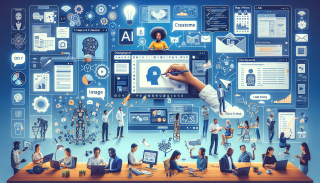
Artificial Intelligence (AI) is revolutionizing the realm of image creation, unlocking unprecedented artistic potential. By leveraging advanced algorithms, AI-driven tools can generate intricate and imaginative visuals that were once the exclusive domain of human artists. These tools analyze vast datasets, learning from countless images to produce unique and compelling artwork.
One of the most significant advantages of AI in image creation is its ability to enhance creativity. Artists can now experiment with styles and techniques that were previously inaccessible. AI algorithms can mimic the brushstrokes of famous painters, blend different artistic styles, and even create entirely new genres of art. This fusion of technology and creativity results in a dynamic and ever-evolving artistic landscape.
Moreover, AI-driven image generation democratizes art by making it accessible to a broader audience. Aspiring artists without formal training can use these tools to create professional-quality artwork. This inclusivity fosters a diverse and vibrant artistic community, where creativity knows no bounds.
AI also streamlines the creative process, saving artists valuable time. Tasks that once required hours of meticulous work can now be completed in minutes. For instance, AI can automatically generate backgrounds, enhance image resolution, and even suggest color palettes. This efficiency allows artists to focus on the conceptual aspects of their work, pushing the boundaries of their imagination.
Furthermore, AI-driven image creation tools are continually evolving, incorporating feedback from users to improve their capabilities. This iterative process ensures that the technology remains at the cutting edge, offering artists the latest advancements in image generation. As AI continues to learn and adapt, the possibilities for artistic expression are virtually limitless.
In conclusion, AI is transforming image creation by unlocking new levels of artistic potential. Through advanced algorithms, enhanced creativity, democratization of art, streamlined processes, and continuous evolution, AI-driven tools are reshaping the artistic landscape. This synergy between technology and creativity promises a future where art is more innovative, inclusive, and inspiring than ever before.
The Future of Art: AI-Driven Image Generation Explained
Artificial Intelligence (AI) is revolutionizing the art world, particularly through AI-driven image generation. This technology leverages advanced algorithms to create stunning visuals, pushing the boundaries of creativity and innovation. By analyzing vast datasets of existing artwork, AI can generate new images that are both unique and reminiscent of traditional styles.
AI-driven image generation employs neural networks, specifically Generative Adversarial Networks (GANs), to produce high-quality images. These networks consist of two parts: the generator and the discriminator. The generator creates images, while the discriminator evaluates them, ensuring the output is increasingly realistic. This iterative process results in artwork that can rival human creations.
One of the most significant advantages of AI in art is its ability to inspire and augment human creativity. Artists can use AI tools to explore new styles, experiment with different techniques, and even collaborate with the technology to produce hybrid works. This symbiotic relationship between human and machine opens up endless possibilities for artistic expression.
Moreover, AI-driven image generation democratizes art creation. With accessible AI tools, individuals without formal training can produce professional-quality artwork. This inclusivity fosters a diverse range of artistic voices, enriching the cultural landscape.
However, the rise of AI in art also raises important questions about authorship and originality. As AI-generated images become more prevalent, distinguishing between human and machine-created art becomes challenging. This blurring of lines necessitates new frameworks for understanding and valuing art in the digital age.
In conclusion, AI-driven image generation is a transformative force in the art world. By harnessing the power of advanced algorithms, it enhances creativity, democratizes art creation, and challenges traditional notions of authorship. As this technology continues to evolve, it will undoubtedly shape the future of artistic expression in profound and unexpected ways.
From Pixels to Masterpieces: AI’s Role in Modern Creativity
Artificial Intelligence (AI) has revolutionized the realm of creativity, transforming simple pixels into stunning masterpieces. This technological advancement has opened new avenues for artists, designers, and creators, enabling them to push the boundaries of their imagination. AI-driven image generation tools have become indispensable in modern creativity, offering unprecedented opportunities for innovation and artistic expression.
AI algorithms analyze vast datasets of images, learning patterns, styles, and techniques from various art forms. This deep learning process allows AI to generate original artwork that can mimic or even surpass human creativity. By leveraging these capabilities, artists can experiment with new styles, explore uncharted territories, and produce unique pieces that were previously unimaginable.
One of the most significant advantages of AI in image generation is its ability to enhance productivity. Artists can now create intricate designs and complex compositions in a fraction of the time it would take manually. This efficiency not only saves time but also allows for more experimentation and iteration, leading to higher-quality outcomes.
Moreover, AI-driven tools democratize creativity by making advanced artistic techniques accessible to a broader audience. Aspiring artists and hobbyists can utilize these tools to create professional-grade artwork without extensive training or experience. This inclusivity fosters a more diverse and vibrant creative community, where anyone can contribute and share their unique vision.
AI’s role in modern creativity extends beyond individual artists. It is also transforming industries such as advertising, fashion, and entertainment. Brands can use AI-generated images to create compelling visuals for marketing campaigns, while fashion designers can experiment with new patterns and designs. In the entertainment industry, AI can generate realistic characters and environments, enhancing the overall visual experience for audiences.
Despite its numerous benefits, the integration of AI in creativity also raises important ethical considerations. Issues such as copyright infringement, the authenticity of AI-generated art, and the potential loss of human touch in artistic creation need to be addressed. It is crucial to establish guidelines and frameworks that ensure the responsible use of AI in the creative process.
In conclusion, AI-driven image generation is a powerful tool that is reshaping the landscape of modern creativity. By transforming pixels into masterpieces, AI empowers artists, democratizes artistic expression, and drives innovation across various industries. As this technology continues to evolve, it will undoubtedly unlock new possibilities and redefine the boundaries of what is creatively achievable.
Revolutionizing Design: The Impact of AI on Visual Arts
Artificial Intelligence (AI) is transforming the landscape of visual arts, offering unprecedented tools for designers and artists. By leveraging AI-driven image generation, creators can explore new realms of creativity, pushing the boundaries of traditional design. This technological advancement is not just a trend but a revolution, reshaping how visual content is conceived and produced.
AI algorithms analyze vast datasets to generate unique and intricate designs, enabling artists to experiment with styles and concepts that were previously unimaginable. These intelligent systems can mimic various artistic techniques, from classical painting to modern digital art, providing a versatile platform for innovation.
One of the most significant impacts of AI in visual arts is the democratization of design. With AI tools, even those with limited artistic skills can create professional-quality visuals. This accessibility fosters a more inclusive creative community, where diverse voices can contribute to the artistic dialogue.
Moreover, AI-driven image generation enhances efficiency in the design process. Tasks that once required hours of meticulous work can now be completed in minutes, allowing artists to focus on the conceptual aspects of their projects. This efficiency not only accelerates production timelines but also reduces costs, making high-quality design more affordable.
AI’s ability to learn and adapt is another game-changer. As these systems are exposed to more data, they become increasingly sophisticated, offering more refined and personalized design suggestions. This continuous improvement cycle ensures that AI tools remain at the cutting edge of artistic innovation.
In addition to creating new designs, AI can also assist in the restoration and preservation of existing artworks. By analyzing historical data and patterns, AI can help restore damaged pieces to their former glory, preserving cultural heritage for future generations.
However, the integration of AI in visual arts is not without its challenges. Ethical considerations, such as the potential for AI to replicate and distribute copyrighted material, must be addressed. Additionally, the role of the human artist in an AI-driven world is a topic of ongoing debate. While AI can augment creativity, it is essential to recognize and preserve the unique value of human intuition and emotion in the artistic process.
In conclusion, AI-driven image generation is revolutionizing the field of visual arts. By providing new tools and capabilities, AI is expanding the horizons of what is possible in design. As this technology continues to evolve, it will undoubtedly play an increasingly integral role in shaping the future of artistic expression.
AI and Imagination: Bridging Technology and Creativity
Artificial Intelligence (AI) has revolutionized the creative landscape, merging technology with imagination to produce stunning visual art. AI-driven image generation leverages advanced algorithms to create unique and intricate designs, pushing the boundaries of artistic expression. This fusion of AI and creativity not only democratizes art creation but also inspires new forms of visual storytelling.
AI’s ability to analyze vast datasets allows it to mimic various artistic styles, from classical paintings to modern digital art. By learning from these datasets, AI can generate images that are both innovative and reflective of established art forms. This capability enables artists to explore new creative avenues and experiment with styles they might not have previously considered.
Moreover, AI-driven tools provide a collaborative platform where human creativity and machine intelligence intersect. Artists can input their ideas and preferences, and the AI refines and enhances these concepts, resulting in a synergistic creation process. This collaboration not only speeds up the creative process but also introduces an element of surprise and novelty, as the AI can suggest unexpected yet captivating design elements.
In addition to aiding individual artists, AI-driven image generation has significant implications for industries such as advertising, entertainment, and design. Companies can utilize AI to produce visually appealing content quickly and efficiently, meeting the ever-growing demand for high-quality visuals. This technology also allows for personalized content creation, tailoring images to specific audiences and enhancing user engagement.
Furthermore, AI’s role in image generation extends beyond mere replication of existing styles. It can innovate by combining elements from different genres, creating hybrid art forms that challenge traditional boundaries. This ability to blend and innovate makes AI a powerful tool for pushing the frontiers of creativity.
As AI continues to evolve, its potential to transform the creative process becomes increasingly apparent. By bridging the gap between technology and imagination, AI-driven image generation opens up new possibilities for artistic expression and redefines what is possible in the world of visual art.
Innovative Artistry: Exploring AI-Generated Imagery
Artificial Intelligence (AI) has revolutionized the realm of digital art, offering unprecedented opportunities for creativity. AI-generated imagery leverages complex algorithms to produce stunning visuals that push the boundaries of traditional artistry. This innovative approach to image creation not only enhances artistic expression but also democratizes the creative process, making it accessible to a broader audience.
AI-driven image generation employs neural networks, particularly Generative Adversarial Networks (GANs), to craft intricate and unique visuals. These networks consist of two components: the generator, which creates images, and the discriminator, which evaluates them. Through this dynamic interplay, AI can produce highly detailed and imaginative artwork that often surpasses human capabilities.
One of the most compelling aspects of AI-generated imagery is its ability to blend various artistic styles seamlessly. By analyzing vast datasets of existing art, AI can mimic and merge different techniques, resulting in novel and captivating compositions. This fusion of styles not only enriches the visual experience but also inspires artists to explore new creative avenues.
Moreover, AI-generated imagery is not confined to static visuals. It extends to dynamic and interactive art forms, such as animations and virtual reality experiences. These immersive creations offer viewers a more engaging and participatory role, transforming them from passive observers to active participants in the artistic process.
The integration of AI in art also fosters collaboration between human artists and machines. Artists can use AI tools to enhance their work, experimenting with new ideas and techniques that would be challenging to achieve manually. This symbiotic relationship between human creativity and machine intelligence paves the way for groundbreaking artistic innovations.
In conclusion, AI-generated imagery represents a significant leap forward in the world of digital art. By harnessing the power of advanced algorithms, artists can explore uncharted territories of creativity, producing visually stunning and conceptually profound works. As AI continues to evolve, its impact on the art world will undoubtedly grow, offering endless possibilities for artistic expression and innovation.
The Intersection of Art and AI: New Horizons in Image Generation
The convergence of art and artificial intelligence (AI) is revolutionizing the realm of image generation, opening up unprecedented avenues for creativity. AI-driven image generation leverages advanced algorithms to produce visually stunning and conceptually rich artworks, pushing the boundaries of traditional artistic methods. This innovative fusion of technology and creativity is not only transforming how art is created but also how it is perceived and appreciated.
AI algorithms, particularly those based on deep learning and neural networks, are capable of analyzing vast datasets of images to learn patterns, styles, and techniques. By doing so, they can generate new images that mimic the intricacies of human-created art. This process involves a complex interplay of data processing, pattern recognition, and creative synthesis, resulting in artworks that are both unique and evocative.
One of the most significant advantages of AI-driven image generation is its ability to democratize art creation. Artists, regardless of their technical skills, can harness AI tools to bring their visions to life. This accessibility fosters a more inclusive artistic community, where diverse voices and perspectives can flourish. Moreover, AI-generated art can serve as a source of inspiration, sparking new ideas and pushing artists to explore uncharted creative territories.
In addition to democratizing art, AI-driven image generation is also enhancing the efficiency and productivity of artists. By automating certain aspects of the creative process, such as color selection, composition, and even style emulation, AI allows artists to focus more on conceptual development and expression. This synergy between human creativity and machine intelligence leads to the creation of artworks that are both technically sophisticated and deeply expressive.
Furthermore, the intersection of art and AI is giving rise to new forms of artistic expression. Generative adversarial networks (GANs), for instance, enable the creation of hyper-realistic images that challenge the boundaries between reality and imagination. These AI-generated images can evoke powerful emotional responses, prompting viewers to question their perceptions and engage with art on a deeper level.
As AI continues to evolve, its impact on the art world is likely to grow even more profound. Future advancements in AI technology could lead to the development of even more sophisticated image generation tools, capable of producing artworks that are indistinguishable from those created by human hands. This ongoing evolution promises to keep the intersection of art and AI a dynamic and exciting frontier for years to come.
In conclusion, the fusion of art and AI is reshaping the landscape of image generation, offering new possibilities for creativity and expression. By leveraging the power of AI, artists can push the boundaries of their craft, explore new artistic horizons, and create works that resonate with audiences in profound and unexpected ways. The future of art, enriched by AI, holds limitless potential for innovation and inspiration.