
Harnessing Artificial Intelligence to Fortify Cybersecurity
In the digital age, safeguarding data has become paramount. Artificial Intelligence (AI) is revolutionizing cybersecurity by providing advanced tools to detect and mitigate threats. AI-powered cybersecurity measures offer unparalleled protection, ensuring data integrity and confidentiality.
AI enhances cybersecurity through several mechanisms:
- Threat Detection: AI algorithms analyze vast amounts of data to identify anomalies and potential threats in real-time. This proactive approach helps in early detection and prevention of cyber-attacks.
- Behavioral Analysis: By monitoring user behavior, AI can detect unusual activities that may indicate a security breach. This continuous surveillance ensures that any deviation from normal patterns is promptly addressed.
- Automated Response: AI systems can automatically respond to threats, reducing the time between detection and action. This rapid response capability is crucial in minimizing the impact of cyber incidents.
- Predictive Analytics: AI uses historical data to predict future threats, allowing organizations to prepare and fortify their defenses accordingly. This foresight is invaluable in staying ahead of cybercriminals.
- Enhanced Encryption: AI can develop and implement sophisticated encryption techniques, making it more challenging for unauthorized entities to access sensitive information.
Integrating AI into cybersecurity frameworks not only strengthens defenses but also optimizes resource allocation. By automating routine tasks, AI frees up human experts to focus on more complex issues, enhancing overall security posture.
Moreover, AI’s ability to learn and adapt over time means that cybersecurity measures continuously evolve, becoming more effective against emerging threats. This dynamic nature of AI ensures that security protocols remain robust and resilient.
In conclusion, harnessing AI for cybersecurity is a strategic imperative in the modern digital landscape. Its capabilities in threat detection, behavioral analysis, automated response, predictive analytics, and enhanced encryption make it an indispensable tool in safeguarding data. As cyber threats become more sophisticated, AI-powered cybersecurity measures will be crucial in maintaining data integrity and protecting against breaches.
AI-driven Solutions: The Future of Data Protection
In the rapidly evolving landscape of cybersecurity, AI-driven solutions are emerging as the cornerstone of data protection. These advanced technologies leverage machine learning algorithms and deep learning techniques to identify and mitigate threats in real-time. By analyzing vast amounts of data, AI systems can detect anomalies and predict potential breaches before they occur, ensuring robust security measures are in place.
One of the primary advantages of AI in cybersecurity is its ability to process and analyze data at unprecedented speeds. Traditional methods often fall short in handling the sheer volume of data generated daily. AI, however, excels in sifting through this data, identifying patterns, and flagging suspicious activities. This proactive approach not only enhances security but also reduces the response time to potential threats.
Moreover, AI-driven solutions offer adaptive learning capabilities. As cyber threats evolve, so do the AI algorithms. They continuously learn from new data, improving their accuracy and efficiency over time. This dynamic nature of AI ensures that security systems remain up-to-date with the latest threat vectors, providing a resilient defense against cyber-attacks.
Another significant benefit of AI in data protection is its ability to automate routine security tasks. This automation frees up valuable time for cybersecurity professionals, allowing them to focus on more complex issues. Tasks such as monitoring network traffic, scanning for vulnerabilities, and updating security protocols can be efficiently managed by AI, ensuring a comprehensive security posture.
Furthermore, AI-powered cybersecurity measures enhance threat intelligence. By integrating with various data sources, AI systems can provide a holistic view of the threat landscape. This integration enables organizations to stay ahead of potential risks, making informed decisions to safeguard their data. The predictive capabilities of AI also allow for the anticipation of future threats, enabling preemptive actions to be taken.
In conclusion, AI-driven solutions represent the future of data protection. Their ability to process large datasets, adapt to evolving threats, automate security tasks, and enhance threat intelligence makes them indispensable in the modern cybersecurity arsenal. As cyber threats become more sophisticated, the role of AI in safeguarding data will only continue to grow, ensuring a secure digital environment for all.
Revolutionizing Cyber Defense with Advanced AI Technologies
In the ever-evolving landscape of cybersecurity, advanced AI technologies are revolutionizing cyber defense mechanisms. These cutting-edge solutions are designed to proactively identify and neutralize threats, ensuring robust protection for sensitive data. By leveraging machine learning algorithms and deep learning models, AI-powered systems can detect anomalies and predict potential cyber-attacks with unprecedented accuracy.
AI technologies enhance cybersecurity by automating threat detection and response processes. This automation not only accelerates the identification of malicious activities but also minimizes human error, which is often a significant vulnerability in traditional security frameworks. Furthermore, AI-driven tools can analyze vast amounts of data in real-time, providing comprehensive insights into potential security breaches.
One of the key advantages of AI in cyber defense is its ability to adapt and learn from new threats. Unlike static security measures, AI systems continuously evolve, improving their threat detection capabilities over time. This adaptability is crucial in combating sophisticated cyber-attacks that are constantly changing tactics to bypass conventional defenses.
Moreover, AI technologies facilitate the development of predictive models that can foresee potential vulnerabilities before they are exploited. By analyzing patterns and behaviors, these models can identify weak points in the network and recommend proactive measures to fortify defenses. This predictive approach significantly reduces the risk of data breaches and enhances overall security posture.
Another significant benefit of AI in cybersecurity is its ability to provide real-time threat intelligence. AI-powered systems can aggregate and analyze data from various sources, offering a holistic view of the threat landscape. This real-time intelligence enables organizations to respond swiftly to emerging threats, mitigating potential damage and ensuring the integrity of their data.
In addition to threat detection and response, AI technologies also play a crucial role in incident management. AI-driven platforms can streamline the incident response process by automating tasks such as alert triage, root cause analysis, and remediation. This automation not only speeds up the response time but also ensures a more efficient and effective resolution of security incidents.
Furthermore, AI technologies are instrumental in enhancing the security of cloud environments. As more organizations migrate their data to the cloud, the need for robust cloud security measures becomes paramount. AI-powered solutions can monitor cloud infrastructure for suspicious activities, ensuring that data stored in the cloud remains secure and compliant with regulatory standards.
In conclusion, the integration of advanced AI technologies in cybersecurity is transforming the way organizations protect their data. By automating threat detection, providing real-time intelligence, and enabling predictive security measures, AI is setting new standards in cyber defense. As cyber threats continue to evolve, the adoption of AI-powered solutions will be essential in safeguarding sensitive information and maintaining a resilient security posture.
Enhancing Data Security through Intelligent Cyber Measures
In the digital age, safeguarding data is paramount. Intelligent cyber measures, powered by AI, offer robust solutions to enhance data security. These advanced systems can detect and neutralize threats in real-time, ensuring the integrity of sensitive information.
AI-driven cybersecurity measures employ machine learning algorithms to analyze vast amounts of data. This enables the identification of unusual patterns and potential threats. By continuously learning and adapting, these systems can predict and prevent cyber-attacks before they occur.
One of the key advantages of AI in cybersecurity is its ability to automate responses. This reduces the time taken to address security breaches, minimizing potential damage. Automated systems can also handle repetitive tasks, freeing up human resources for more complex issues.
Moreover, AI enhances data security through advanced encryption techniques. These methods ensure that data remains secure during transmission and storage. By using sophisticated algorithms, AI can create encryption keys that are nearly impossible to crack.
Another significant benefit is the ability to conduct comprehensive risk assessments. AI can evaluate the security posture of an organization, identifying vulnerabilities and recommending improvements. This proactive approach helps in fortifying defenses against potential threats.
AI-powered cybersecurity measures also offer enhanced monitoring capabilities. Continuous surveillance of networks and systems ensures that any anomalies are detected promptly. This real-time monitoring is crucial in preventing data breaches and ensuring compliance with security protocols.
Furthermore, AI can assist in the development of more secure software. By analyzing code for vulnerabilities, AI can suggest modifications to enhance security. This results in more robust applications that are less susceptible to attacks.
In conclusion, intelligent cyber measures powered by AI are essential in enhancing data security. They offer real-time threat detection, automated responses, advanced encryption, comprehensive risk assessments, enhanced monitoring, and secure software development. These capabilities ensure that sensitive information remains protected in an increasingly digital world.
AI in Cybersecurity: A New Era of Digital Defense
In the rapidly evolving landscape of digital threats, AI-powered cybersecurity measures are revolutionizing the way data is protected. By leveraging advanced algorithms and machine learning, AI can detect and neutralize cyber threats with unprecedented speed and accuracy. This transformative technology not only enhances the efficiency of threat detection but also minimizes the risk of human error, providing a robust shield against cyber-attacks.
AI in cybersecurity operates through several sophisticated mechanisms:
- Threat Detection: AI systems continuously monitor network traffic, identifying anomalies that may indicate potential threats. This proactive approach ensures that suspicious activities are flagged and addressed before they can cause harm.
- Behavioral Analysis: By analyzing user behavior patterns, AI can detect deviations that may signify a security breach. This method allows for the early identification of insider threats and compromised accounts.
- Automated Response: AI can autonomously respond to detected threats, executing predefined actions to mitigate risks. This rapid response capability is crucial in minimizing the impact of cyber-attacks.
- Predictive Analytics: Utilizing historical data, AI can predict future threats and vulnerabilities, enabling organizations to fortify their defenses proactively.
Moreover, AI-driven cybersecurity solutions are continuously learning and evolving. Machine learning algorithms refine their threat detection capabilities over time, adapting to new attack vectors and techniques. This dynamic adaptability ensures that cybersecurity measures remain effective against emerging threats.
Another significant advantage of AI in cybersecurity is its ability to handle vast amounts of data. Traditional security systems often struggle with the sheer volume of data generated by modern networks. In contrast, AI can process and analyze this data in real-time, providing actionable insights and enhancing situational awareness.
In conclusion, the integration of AI into cybersecurity represents a new era of digital defense. By harnessing the power of artificial intelligence, organizations can significantly bolster their security posture, safeguarding sensitive data from an ever-growing array of cyber threats. This innovative approach not only enhances protection but also ensures a more resilient and adaptive security framework.
Protecting Sensitive Information with AI-powered Strategies
In the digital age, safeguarding sensitive information is paramount. AI-powered strategies offer robust solutions to protect data from cyber threats. These advanced technologies leverage machine learning and deep learning algorithms to detect and mitigate potential risks in real-time.
AI-driven systems can analyze vast amounts of data, identifying patterns and anomalies that may indicate a security breach. By continuously monitoring network traffic and user behavior, these systems can swiftly respond to suspicious activities, minimizing the risk of data compromise.
Moreover, AI enhances encryption techniques, ensuring that sensitive information remains secure during transmission and storage. By employing sophisticated cryptographic methods, AI can effectively shield data from unauthorized access.
Another significant advantage of AI in data protection is its ability to predict and prevent cyber attacks. Through predictive analytics, AI can forecast potential threats and implement preemptive measures to thwart them. This proactive approach significantly reduces the likelihood of successful cyber intrusions.
AI-powered strategies also facilitate compliance with data protection regulations. By automating compliance checks and audits, AI ensures that organizations adhere to legal requirements, thereby avoiding hefty fines and reputational damage.
Furthermore, AI can enhance user authentication processes. By utilizing biometric data and behavioral analysis, AI can create multi-layered security protocols that are difficult for cybercriminals to bypass. This ensures that only authorized individuals can access sensitive information.
In conclusion, AI-powered strategies are indispensable in protecting sensitive information. They offer real-time threat detection, advanced encryption, predictive analytics, regulatory compliance, and robust authentication methods. By integrating these technologies, organizations can fortify their defenses against cyber threats and safeguard their valuable data.
The Role of Artificial Intelligence in Modern Cybersecurity
Artificial Intelligence (AI) has become a cornerstone in modern cybersecurity, offering advanced solutions to protect sensitive data. By leveraging machine learning algorithms and predictive analytics, AI can identify and neutralize threats in real-time, enhancing the overall security posture of organizations.
One of the primary advantages of AI in cybersecurity is its ability to process vast amounts of data quickly. Traditional methods often fall short in detecting sophisticated cyber-attacks, but AI can analyze patterns and anomalies with remarkable precision. This capability allows for the early detection of potential breaches, minimizing the risk of data loss.
AI-powered cybersecurity systems also excel in threat intelligence. By continuously monitoring network traffic and user behavior, these systems can identify unusual activities that may indicate a cyber threat. This proactive approach not only helps in preventing attacks but also in mitigating their impact.
Moreover, AI enhances the efficiency of incident response. Automated systems can swiftly respond to security incidents, reducing the time it takes to contain and resolve them. This rapid response is crucial in minimizing the damage caused by cyber-attacks and ensuring business continuity.
Another significant benefit of AI in cybersecurity is its ability to adapt and learn. Machine learning models can evolve based on new data, improving their accuracy and effectiveness over time. This adaptability is essential in combating ever-evolving cyber threats, making AI a vital tool in the cybersecurity arsenal.
In addition to these benefits, AI can also assist in compliance and risk management. By automating compliance checks and risk assessments, AI helps organizations adhere to regulatory requirements and manage their cybersecurity risks more effectively. This not only ensures legal compliance but also builds trust with customers and stakeholders.
Despite its numerous advantages, the integration of AI in cybersecurity is not without challenges. Issues such as data privacy, algorithmic bias, and the need for skilled personnel to manage AI systems must be addressed. However, with continuous advancements in technology and a focus on ethical AI practices, these challenges can be mitigated.
In conclusion, AI plays a pivotal role in modern cybersecurity by providing advanced threat detection, enhancing incident response, and improving compliance and risk management. As cyber threats continue to evolve, the adoption of AI-powered cybersecurity measures will be essential in safeguarding data and ensuring the security of digital assets.


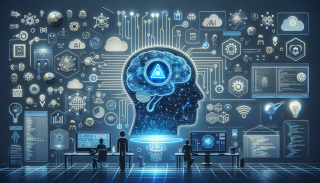


As a small business owner, I have seen firsthand the importance of implementing AI-powered cybersecurity measures to protect sensitive data. The threat of cyber attacks is very real, and having advanced technology to detect and prevent these attacks is crucial for the safety of my business and my customers’ information.
I have always been fascinated by the intersection of technology and security, and AI-powered cybersecurity measures are a prime example of this. The ability of AI to continuously learn and adapt to new threats is truly remarkable, and I believe it is the future of cybersecurity. I would love to learn more about the specific AI algorithms used in these measures.
Working in the IT industry, I have witnessed the evolution of cybersecurity measures over the years. AI has revolutionized the way we protect data, providing real-time threat detection and response capabilities. However, I am curious about the potential limitations of AI in cybersecurity and how organizations can address these challenges effectively.
Having specialized in cybersecurity for several years, I can attest to the effectiveness of AI-powered measures in safeguarding data. The speed and accuracy with which AI can analyze vast amounts of data for potential threats is unparalleled. I wonder how AI can be integrated seamlessly into existing cybersecurity frameworks without disrupting operations.