
Navigating Ethical Dilemmas in AI Development
In the realm of AI development, navigating ethical dilemmas is paramount. The intricate balance between innovation and moral responsibility requires a nuanced approach. Ethical considerations in AI encompass a broad spectrum of issues, from data privacy to algorithmic bias. Addressing these challenges is crucial for fostering trust and ensuring the equitable deployment of AI technologies.
One of the primary ethical concerns in AI development is data privacy. Ensuring that user data is collected, stored, and utilized responsibly is essential. Developers must implement robust security measures to protect sensitive information from breaches and misuse. Additionally, transparency in data handling practices can enhance user trust and compliance with regulatory standards.
Another significant ethical issue is algorithmic bias. AI systems can inadvertently perpetuate existing biases present in training data. To mitigate this, developers should prioritize diversity in data sets and employ techniques to identify and rectify biases. Regular audits and updates to algorithms can further ensure fairness and accuracy in AI outcomes.
Moreover, the ethical deployment of AI involves considering the societal impact of these technologies. AI applications should be designed to benefit society as a whole, avoiding harm to vulnerable populations. This includes ensuring accessibility and inclusivity in AI solutions, so they serve a diverse range of users effectively.
Transparency and accountability are also critical in AI ethics. Developers should provide clear explanations of how AI systems make decisions, enabling users to understand and trust these technologies. Establishing accountability mechanisms, such as ethical review boards, can help oversee AI projects and ensure adherence to ethical standards.
In conclusion, navigating ethical dilemmas in AI development requires a comprehensive and proactive approach. By prioritizing data privacy, addressing algorithmic bias, considering societal impacts, and ensuring transparency and accountability, developers can create AI technologies that are both innovative and ethically sound. This balanced approach not only fosters trust but also paves the way for the responsible advancement of AI.
Cre8x.ai’s Approach to Responsible AI Innovation
Cre8x.ai’s approach to responsible AI innovation is rooted in a commitment to ethical principles and sustainable practices. This dedication ensures that advanced technologies are developed with a moral compass, prioritizing human values and societal well-being. The company employs a multi-faceted strategy to achieve this, focusing on transparency, accountability, and inclusivity.
Transparency is a cornerstone of Cre8x.ai’s methodology. By openly sharing the decision-making processes and data sources behind their AI systems, the company fosters trust and understanding among users and stakeholders. This openness not only demystifies AI but also allows for external audits and feedback, ensuring continuous improvement and adherence to ethical standards.
Accountability is another critical aspect. Cre8x.ai implements robust governance frameworks to monitor and evaluate the impact of their technologies. These frameworks include regular assessments and audits to identify potential biases and mitigate risks. By holding themselves accountable, Cre8x.ai ensures that their AI solutions are fair, reliable, and aligned with ethical guidelines.
Inclusivity is integral to Cre8x.ai’s innovation process. The company actively seeks diverse perspectives and collaborates with a wide range of stakeholders, including ethicists, sociologists, and community representatives. This collaborative approach ensures that the AI technologies developed are not only technically sound but also socially responsible and culturally sensitive.
Furthermore, Cre8x.ai prioritizes the development of AI systems that enhance human capabilities rather than replace them. By focusing on augmentative technologies, the company aims to empower individuals and communities, fostering a symbiotic relationship between humans and machines. This human-centric approach ensures that AI serves as a tool for positive change, promoting equity and accessibility.
In addition to these core principles, Cre8x.ai invests in continuous education and training for their team. By staying abreast of the latest ethical guidelines and technological advancements, the company ensures that their AI innovations remain at the forefront of responsible development. This commitment to lifelong learning underscores Cre8x.ai’s dedication to ethical excellence and sustainable progress.
In summary, Cre8x.ai’s approach to responsible AI innovation is characterized by a steadfast commitment to transparency, accountability, and inclusivity. By integrating these principles into every stage of their development process, the company ensures that their advanced technologies are not only cutting-edge but also ethically sound and socially beneficial.
Balancing Progress and Principles in Advanced Technologies
In the realm of advanced technologies, the equilibrium between progress and principles is paramount. Cre8x.ai’s innovations in artificial intelligence (AI) exemplify this delicate balance. The company is committed to advancing AI while adhering to ethical standards, ensuring that technological growth does not compromise moral values.
Cre8x.ai’s approach to AI development is rooted in a framework that prioritizes ethical considerations. This framework encompasses several key aspects:
- Transparency: Ensuring that AI systems are understandable and their decision-making processes are clear to users.
- Accountability: Establishing mechanisms to hold AI systems and their developers responsible for their actions and outcomes.
- Fairness: Striving to eliminate biases in AI algorithms to promote equitable treatment across diverse user groups.
- Privacy: Safeguarding user data and ensuring that AI applications respect individual privacy rights.
- Safety: Implementing robust measures to prevent harm and ensure the safe deployment of AI technologies.
By integrating these principles, Cre8x.ai not only advances technological capabilities but also fosters trust and reliability in its AI solutions. The company’s dedication to ethical AI is evident in its continuous efforts to refine and enhance its ethical framework, adapting to new challenges and societal expectations.
Moreover, Cre8x.ai collaborates with a diverse range of stakeholders, including ethicists, technologists, and policymakers, to ensure a holistic approach to AI ethics. This collaborative effort helps to identify potential ethical dilemmas and develop strategies to address them proactively.
In conclusion, the pursuit of advanced technologies by Cre8x.ai is guided by a steadfast commitment to ethical principles. This balance between innovation and ethics not only propels technological progress but also ensures that such advancements are aligned with societal values and human well-being.
The Role of Ethics in Shaping AI Futures
In the rapidly evolving landscape of artificial intelligence, ethics play a pivotal role in shaping the future of AI technologies. The integration of ethical principles ensures that AI systems are developed and deployed responsibly, fostering trust and reliability. Ethical considerations in AI encompass a broad spectrum of issues, including fairness, transparency, accountability, and privacy.
Fairness in AI involves creating algorithms that do not perpetuate biases or discrimination. This requires meticulous attention to data selection and model training processes to avoid reinforcing existing societal prejudices. Transparency is equally crucial, as it allows stakeholders to understand how AI decisions are made, promoting trust and enabling informed decision-making.
Accountability in AI development mandates that creators and users of AI systems are held responsible for their actions and the outcomes of their technologies. This includes establishing clear guidelines and regulatory frameworks to govern AI usage. Privacy concerns are paramount, as AI systems often handle vast amounts of personal data. Ensuring robust data protection measures is essential to safeguard individuals’ privacy rights.
Moreover, the ethical deployment of AI can significantly impact societal well-being. By prioritizing ethical considerations, AI technologies can be harnessed to address critical global challenges, such as healthcare, education, and environmental sustainability. For instance, AI-driven healthcare solutions can enhance diagnostic accuracy and treatment efficacy, while ethical AI in education can provide personalized learning experiences, bridging educational gaps.
In conclusion, the role of ethics in shaping AI futures cannot be overstated. By embedding ethical principles into the core of AI development, it is possible to create technologies that are not only innovative but also equitable and trustworthy. This ethical foundation is essential for the sustainable advancement of AI, ensuring that its benefits are realized across all sectors of society.
Ensuring Fairness and Accountability in AI Systems
Ensuring fairness and accountability in AI systems is paramount for fostering trust and ethical integrity. Cre8x.ai’s advanced technologies prioritize these principles by implementing robust mechanisms to mitigate biases and enhance transparency. This approach not only aligns with ethical standards but also promotes equitable outcomes across diverse user groups.
To achieve fairness, Cre8x.ai employs comprehensive data auditing processes. These processes involve scrutinizing datasets for potential biases and ensuring that training data represents a wide array of demographics. By doing so, the AI models are less likely to perpetuate existing prejudices, leading to more balanced and just decisions.
Accountability in AI systems is reinforced through meticulous documentation and traceability. Every decision made by the AI is logged and can be traced back to its source, providing a clear audit trail. This transparency is crucial for identifying and rectifying any unintended consequences or errors that may arise during the AI’s operation.
Moreover, Cre8x.ai integrates ethical guidelines into the development lifecycle of its AI technologies. These guidelines serve as a framework for developers, ensuring that ethical considerations are embedded from the initial design phase through to deployment. This proactive stance helps in preemptively addressing potential ethical dilemmas and reinforces the commitment to responsible AI development.
Another critical aspect is the inclusion of diverse perspectives in the AI development process. By involving stakeholders from various backgrounds, Cre8x.ai ensures that the AI systems are designed with a comprehensive understanding of different societal impacts. This inclusivity not only enhances the system’s fairness but also broadens its applicability across different contexts.
Regular evaluations and updates are integral to maintaining the fairness and accountability of AI systems. Cre8x.ai conducts periodic assessments to identify any emerging biases or ethical concerns, allowing for timely interventions. These evaluations are complemented by continuous learning mechanisms that enable the AI to adapt and improve over time.
In conclusion, Cre8x.ai’s commitment to fairness and accountability in AI systems is evident through its rigorous data auditing, transparent documentation, ethical guidelines, stakeholder inclusivity, and ongoing evaluations. These measures collectively ensure that the AI technologies not only perform effectively but also uphold the highest ethical standards, fostering trust and reliability among users.
Cre8x.ai’s Commitment to Ethical AI Practices
Cre8x.ai is dedicated to upholding ethical AI practices, ensuring that its advanced technologies align with moral principles and societal values. The commitment to ethical AI is reflected in several key areas:
- Transparency: Cre8x.ai prioritizes clear communication about how its AI systems function, providing users with understandable explanations of algorithms and decision-making processes.
- Accountability: The company takes responsibility for the outcomes of its AI applications, implementing robust mechanisms to address any unintended consequences or biases that may arise.
- Privacy: Protecting user data is paramount. Cre8x.ai employs stringent data protection measures to ensure that personal information is handled with the utmost care and confidentiality.
- Fairness: Ensuring that AI systems are free from discrimination is a core principle. Cre8x.ai actively works to eliminate biases in its algorithms, promoting fairness and equality.
- Inclusivity: The development of AI technologies at Cre8x.ai involves diverse perspectives, fostering an inclusive environment that considers the needs and values of various communities.
- Safety: Cre8x.ai is committed to developing AI that is safe and reliable, conducting rigorous testing to prevent harmful outcomes and ensure the well-being of users.
- Sustainability: The company integrates sustainable practices into its AI development, aiming to minimize environmental impact and promote long-term ecological balance.
By adhering to these ethical principles, Cre8x.ai not only advances technological innovation but also builds trust with its users and stakeholders. The company’s dedication to ethical AI practices ensures that its technologies contribute positively to society, fostering a future where AI enhances human well-being and upholds moral integrity.
Exploring the Intersection of Technology and Morality
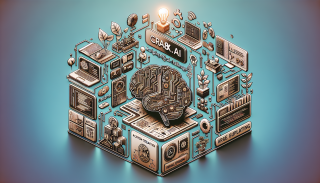
In the rapidly evolving landscape of artificial intelligence, the intersection of technology and morality presents a complex yet crucial dialogue. As AI systems like Cre8x.ai become more sophisticated, the ethical implications of their deployment demand rigorous scrutiny. The integration of advanced technologies into everyday life necessitates a balanced approach, ensuring that innovation does not outpace ethical considerations.
One of the primary concerns is the potential for bias in AI algorithms. These systems, while designed to be impartial, can inadvertently perpetuate existing prejudices if not meticulously programmed and monitored. This highlights the importance of transparency in AI development, where the decision-making processes of these technologies are made clear and understandable to users.
Moreover, the issue of accountability in AI usage cannot be overlooked. As these systems take on more autonomous roles, determining responsibility for their actions becomes increasingly complex. Establishing clear guidelines and ethical frameworks is essential to navigate this uncharted territory. This includes defining the boundaries of AI autonomy and ensuring that human oversight remains a fundamental component of AI operations.
Privacy is another critical aspect of the ethical discourse surrounding AI. With the vast amounts of data required to train and operate these systems, safeguarding personal information is paramount. Implementing robust data protection measures and ensuring compliance with privacy regulations are vital steps in maintaining public trust in AI technologies.
Furthermore, the societal impact of AI must be carefully considered. The potential for job displacement due to automation raises significant ethical questions about the future of work. It is imperative to develop strategies that mitigate these effects, such as reskilling programs and policies that promote equitable access to the benefits of AI advancements.
In conclusion, the intersection of technology and morality in the realm of AI is a multifaceted issue that requires ongoing attention and thoughtful deliberation. By prioritizing ethical considerations in the development and deployment of AI systems like Cre8x.ai, it is possible to harness the transformative potential of these technologies while safeguarding human values and societal well-being.




As a software developer, I find the ethical implications of AI fascinating. Cre8x.ai’s approach to integrating moral values into their technology is truly groundbreaking. I’m curious to learn more about how they ensure ethical decision-making in their AI systems.
I’ve always been intrigued by the intersection of technology and ethics. Cre8x.ai seems to be at the forefront of this intersection with their advanced AI technologies. I wonder how they handle complex moral dilemmas that AI may encounter in real-world scenarios.
Ethics in AI is a crucial topic that needs more attention. Cre8x.ai’s focus on integrating moral compass into their AI systems is commendable. I’m interested in knowing how they address bias and fairness issues in their technology.
The ethical considerations in AI development are paramount. Cre8x.ai’s commitment to exploring ethics in their advanced technologies sets a positive example for the industry. I’d love to delve deeper into the specific ethical frameworks they employ.
AI ethics is a complex and evolving field. Cre8x.ai’s approach to incorporating moral values into their AI systems is intriguing. I’m curious about the challenges they face in implementing ethical guidelines across different AI applications.
As a software developer, I have always been fascinated by the intersection of technology and ethics. Cre8x.ai’s approach to integrating moral principles into AI is truly groundbreaking. I believe that it is crucial for AI to have a moral compass to ensure that it is used for the greater good of society. I look forward to seeing how Cre8x.ai’s advanced technologies will shape the future of AI ethics.
I have been following the developments in AI ethics closely, and Cre8x.ai’s initiative is definitely commendable. It’s essential for AI systems to be designed with ethical considerations in mind to prevent potential harm. I am curious to learn more about the specific ethical frameworks that Cre8x.ai is implementing in their technologies. How do they ensure that AI algorithms align with moral values and principles? Looking forward to exploring this further.
As a software developer, I have always been intrigued by the ethical implications of AI technology. Cre8x.ai’s approach to integrating moral values into their advanced technologies is truly groundbreaking. I believe that it is crucial for AI to have a moral compass to ensure that it aligns with human values and doesn’t cause harm. I look forward to seeing how Cre8x.ai continues to lead the way in ethical AI development.
I’ve been following the developments in AI ethics closely, and Cre8x.ai’s focus on incorporating ethical considerations into their technology is commendable. It’s essential for AI systems to be designed with a moral compass to prevent potential negative consequences. I’m curious to learn more about the specific ethical frameworks that Cre8x.ai uses in their advanced technologies and how they navigate complex moral dilemmas.
Ethics in AI is a topic that is close to my heart, and I appreciate companies like Cre8x.ai taking a proactive approach to integrating moral values into their technology. It’s crucial for AI to operate ethically and responsibly, especially as it becomes more integrated into our daily lives. I would love to delve deeper into the ethical considerations that Cre8x.ai incorporates into their advanced technologies and how they ensure that their AI systems align with human values.
The intersection of AI and ethics is a complex and important area of study, and Cre8x.ai’s commitment to exploring ethics in their advanced technologies is commendable. As someone deeply interested in the ethical implications of AI, I am eager to understand the specific ethical frameworks that Cre8x.ai employs and how they address ethical challenges in their technology. It’s crucial for AI to be developed with a strong moral compass to ensure that it benefits society as a whole.
I’ve always been fascinated by the ethical considerations surrounding AI technology, and Cre8x.ai’s approach to integrating ethics into their advanced technologies is truly impressive. It’s essential for AI systems to be designed with a moral compass to guide their decision-making processes and prevent potential harm. I’m curious to learn more about the specific ethical principles that Cre8x.ai follows and how they navigate ethical dilemmas in their AI development.