Harnessing the Power of AI to Boost Creative Processes
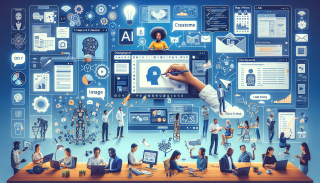
Artificial Intelligence (AI) is revolutionizing the creative landscape, offering unprecedented tools to enhance artistic endeavors. By integrating AI into creative processes, artists and designers can unlock new levels of innovation and efficiency. AI-driven tools can analyze vast datasets, providing insights and inspiration that were previously unimaginable. This synergy between human creativity and machine intelligence fosters a dynamic environment where ideas flourish.
One of the primary advantages of AI in creative processes is its ability to automate repetitive tasks. This allows creators to focus on more complex and imaginative aspects of their work. For instance, AI can generate initial drafts, suggest color palettes, or even compose music, freeing up valuable time for refinement and experimentation. By handling mundane tasks, AI empowers artists to push the boundaries of their creativity.
Moreover, AI tools can offer personalized recommendations based on user preferences and historical data. This customization enhances the creative process by providing tailored suggestions that align with the artist’s unique style and vision. Whether it’s recommending design elements, suggesting narrative twists, or proposing innovative solutions, AI ensures that the creative output is both original and resonant.
Collaboration is another area where AI excels. By facilitating seamless interaction between different creative disciplines, AI fosters a collaborative ecosystem. For example, AI can bridge the gap between graphic designers and content writers, ensuring a cohesive and harmonious final product. This interdisciplinary approach not only enhances the quality of the work but also encourages a more holistic creative process.
AI’s ability to learn and adapt is a game-changer for the creative industry. Machine learning algorithms can analyze trends, predict future patterns, and even mimic specific artistic styles. This adaptability allows creators to stay ahead of the curve, continuously evolving their work to meet changing demands and preferences. By leveraging AI’s predictive capabilities, artists can anticipate trends and create content that resonates with their audience.
In conclusion, harnessing the power of AI in creative processes offers numerous benefits, from automating mundane tasks to providing personalized recommendations and fostering collaboration. By integrating AI into their workflows, artists and designers can unlock new levels of innovation and efficiency, ultimately enhancing their creative output. As AI continues to evolve, its role in the creative industry will undoubtedly expand, offering even more opportunities for artistic expression and exploration.
How AI Tools are Revolutionizing Artistic Expression
Artificial Intelligence (AI) tools are transforming the landscape of artistic expression, offering unprecedented opportunities for creativity. These advanced technologies enable artists to explore new dimensions, blending human ingenuity with machine precision. By leveraging AI, creators can push the boundaries of traditional art forms, resulting in innovative and captivating works.
AI-driven tools facilitate the creation of art by automating repetitive tasks, allowing artists to focus on conceptualization and execution. For instance, AI algorithms can generate intricate patterns, suggest color palettes, and even compose music, providing a rich source of inspiration. This symbiotic relationship between human and machine fosters a dynamic creative process, where AI acts as both a collaborator and a muse.
Moreover, AI tools democratize artistic expression by making sophisticated techniques accessible to a broader audience. Aspiring artists can utilize these technologies to experiment with various styles and mediums without the need for extensive training. This inclusivity nurtures a diverse artistic community, where unique perspectives and voices can flourish.
In addition to enhancing individual creativity, AI tools also facilitate collaborative projects. Artists from different disciplines can seamlessly integrate their work, creating multifaceted pieces that transcend traditional boundaries. This interdisciplinary approach not only enriches the artistic experience but also paves the way for groundbreaking innovations.
Furthermore, AI’s ability to analyze vast amounts of data enables artists to draw inspiration from a wide array of sources. By examining historical art movements, cultural trends, and contemporary works, AI can provide valuable insights that inform and elevate the creative process. This data-driven approach ensures that art remains relevant and resonant in an ever-evolving cultural landscape.
AI tools also play a crucial role in preserving and restoring art. Advanced algorithms can meticulously reconstruct damaged pieces, ensuring that cultural heritage is maintained for future generations. This technological intervention not only safeguards the past but also inspires contemporary artists to reimagine and reinterpret historical works.
In conclusion, AI tools are revolutionizing artistic expression by enhancing creativity, democratizing access, fostering collaboration, and preserving cultural heritage. As these technologies continue to evolve, they will undoubtedly unlock new realms of artistic potential, enabling creators to craft extraordinary and impactful works.
The Intersection of Technology and Creativity: A New Era
The convergence of technology and creativity heralds a transformative epoch. Artificial Intelligence (AI) tools are revolutionizing the creative landscape, enabling unprecedented innovation. These advanced systems empower artists, designers, and creators to transcend traditional boundaries, fostering a symbiotic relationship between human ingenuity and machine intelligence.
AI tools facilitate the creative process by automating mundane tasks, thus liberating time for more imaginative endeavors. For instance, AI-driven design software can generate intricate patterns and layouts, allowing designers to focus on conceptualization and refinement. Similarly, AI-powered music composition tools can produce complex melodies, providing musicians with a foundation to build upon and enhance.
Moreover, AI’s ability to analyze vast datasets enables creators to draw inspiration from a plethora of sources. By identifying trends and patterns, AI can suggest novel ideas and concepts, sparking creativity. This data-driven approach ensures that creative outputs are not only original but also resonate with contemporary audiences.
In the realm of visual arts, AI algorithms can transform simple sketches into detailed artworks, offering artists new avenues for expression. These tools can mimic various artistic styles, from classical to modern, providing a versatile palette for creators. Additionally, AI can assist in color selection, composition, and even in predicting the emotional impact of a piece, enhancing the overall creative process.
Writers, too, benefit from AI’s capabilities. Natural Language Processing (NLP) tools can generate content ideas, suggest improvements, and even assist in crafting compelling narratives. By analyzing linguistic patterns, these tools help writers maintain coherence and engagement, ensuring that their work captivates readers.
Furthermore, AI’s role in creativity extends to interactive media and gaming. AI-driven characters and environments can adapt to player actions, creating immersive and dynamic experiences. This interactivity not only enhances user engagement but also pushes the boundaries of storytelling and game design.
In conclusion, the intersection of technology and creativity is ushering in a new era of innovation. AI tools are not merely augmenting the creative process; they are redefining it. By harnessing the power of AI, creators can explore uncharted territories, producing works that are both groundbreaking and resonant. This synergy between human creativity and machine intelligence promises a future where the possibilities are limitless.
AI-Driven Innovation: Transforming Creative Industries
Artificial Intelligence (AI) is revolutionizing creative industries by introducing innovative tools that enhance creativity and streamline processes. These AI-driven solutions are transforming how artists, designers, and content creators work, enabling them to push the boundaries of their imagination and productivity.
AI tools are being utilized in various creative fields, including:
- Graphic Design: AI-powered software can generate unique designs, suggest color palettes, and even create logos, saving time and effort for designers.
- Music Composition: AI algorithms can compose original music, providing musicians with new melodies and harmonies to explore.
- Writing and Content Creation: AI can assist in generating articles, stories, and marketing content, ensuring consistency and creativity.
- Film and Animation: AI technology can enhance visual effects, automate editing processes, and even create realistic animations.
- Fashion Design: AI can predict trends, suggest designs, and even create virtual fashion shows, revolutionizing the fashion industry.
These advancements are not just about automation; they are about augmenting human creativity. AI tools provide a new dimension to creative work, allowing professionals to experiment with ideas that were previously unimaginable. By analyzing vast amounts of data, AI can offer insights and suggestions that inspire new directions and innovations.
Moreover, AI-driven innovation is democratizing creativity. Tools that were once accessible only to large corporations are now available to individual creators and small businesses. This accessibility is fostering a more diverse and inclusive creative landscape, where anyone with a vision can bring their ideas to life.
In conclusion, AI is not replacing human creativity but enhancing it. By leveraging AI tools, creative professionals can achieve unprecedented levels of innovation and efficiency. The future of creative industries lies in the harmonious collaboration between human ingenuity and artificial intelligence, unlocking new possibilities and transforming the way we create.
From Concept to Creation: AI as a Creative Partner
Artificial Intelligence (AI) has revolutionized the creative process, transforming abstract ideas into tangible creations. By leveraging AI tools, artists, designers, and writers can enhance their creative capabilities, pushing the boundaries of innovation. AI acts as a collaborative partner, offering unique insights and suggestions that might not be immediately apparent to human creators.
AI-driven platforms analyze vast amounts of data, identifying patterns and trends that can inspire new concepts. These tools can generate initial drafts, design prototypes, or even complete artworks, providing a solid foundation for further refinement. The integration of AI in the creative workflow not only accelerates the process but also introduces a level of precision and consistency that is difficult to achieve manually.
Moreover, AI’s ability to learn and adapt from user feedback ensures that the creative output aligns closely with the creator’s vision. By continuously evolving, AI tools become more attuned to individual preferences, making them indispensable in the creative industry. This symbiotic relationship between human ingenuity and machine intelligence fosters an environment where creativity can flourish unimpeded.
In addition to enhancing productivity, AI tools democratize creativity by making advanced resources accessible to a broader audience. Aspiring artists and creators can now experiment with sophisticated techniques without the need for extensive training or expensive equipment. This inclusivity paves the way for a diverse range of voices and perspectives, enriching the creative landscape.
Furthermore, AI’s role in content creation extends beyond mere assistance. It can autonomously generate content that resonates with target audiences, optimizing engagement and impact. By analyzing audience preferences and behavior, AI can tailor content to meet specific needs, ensuring relevance and appeal. This targeted approach not only enhances user experience but also maximizes the effectiveness of creative endeavors.
In conclusion, the integration of AI as a creative partner marks a significant milestone in the evolution of creativity. By augmenting human potential with advanced technology, AI tools empower creators to explore uncharted territories and realize their visions with unprecedented clarity and efficiency. As AI continues to evolve, its role in the creative process will undoubtedly expand, heralding a new era of innovation and artistic expression.
Exploring the Boundaries of Imagination with AI
Artificial Intelligence (AI) is revolutionizing the creative landscape, pushing the boundaries of imagination to unprecedented heights. By leveraging advanced algorithms, AI tools are enabling artists, writers, and designers to explore new realms of creativity. These tools are not just enhancing productivity but also fostering innovation by providing unique perspectives and ideas.
AI-driven creativity tools offer a plethora of features that can transform the creative process. From generating original content to enhancing existing works, these tools are becoming indispensable in various creative fields. They can analyze vast amounts of data to identify patterns and trends, offering insights that can inspire new artistic directions.
One of the most significant advantages of using AI in creative endeavors is its ability to handle repetitive tasks. This allows creators to focus on the more intricate aspects of their work, thereby enhancing the overall quality and originality. For instance, AI can automate tasks such as color correction in design, grammar checking in writing, and even composing music, freeing up time for more complex creative decisions.
Moreover, AI tools are democratizing creativity by making advanced creative capabilities accessible to a broader audience. With user-friendly interfaces and intuitive functionalities, even those with limited technical skills can produce high-quality creative outputs. This inclusivity is fostering a more diverse and vibrant creative community.
AI’s ability to learn and adapt is another game-changer. Machine learning algorithms can be trained to understand individual preferences and styles, offering personalized suggestions that align with the creator’s vision. This adaptability ensures that the creative process remains dynamic and responsive to evolving artistic needs.
In addition to enhancing individual creativity, AI tools are also facilitating collaborative efforts. By providing a common platform for sharing ideas and resources, these tools are enabling creators from different disciplines to work together seamlessly. This collaborative synergy is leading to the creation of more innovative and multifaceted works of art.
However, the integration of AI in creative processes is not without challenges. Concerns about originality and authenticity are prevalent, as some fear that AI-generated content may lack the emotional depth and personal touch of human-created works. Despite these concerns, the potential benefits of AI in creativity far outweigh the drawbacks, making it a valuable asset in the modern creative toolkit.
In conclusion, AI is not just a tool but a catalyst for creative exploration. By pushing the boundaries of imagination, it is opening up new possibilities and transforming the way creativity is perceived and practiced. As AI continues to evolve, its role in the creative landscape is set to become even more significant, heralding a new era of artistic innovation.
The Future of Creativity: AI Tools Leading the Way
Artificial Intelligence (AI) tools are revolutionizing the landscape of creativity, offering unprecedented opportunities for innovation. These advanced technologies are not just enhancing creative processes but are also redefining the boundaries of what is possible. By leveraging AI, creators can now explore new dimensions of artistic expression, streamline workflows, and produce high-quality content with remarkable efficiency.
AI-driven tools are transforming various creative fields, including graphic design, music composition, and content creation. These tools utilize sophisticated algorithms to analyze vast amounts of data, identify patterns, and generate unique outputs that would be challenging for humans to conceive independently. This synergy between human ingenuity and machine intelligence is fostering a new era of creativity.
One of the most significant advantages of AI tools is their ability to automate repetitive tasks, allowing creators to focus on more complex and imaginative aspects of their work. For instance, in graphic design, AI can assist in generating layouts, selecting color schemes, and even creating intricate designs based on user inputs. This not only saves time but also ensures a higher level of precision and consistency.
In the realm of music, AI is making waves by composing original pieces, suggesting harmonies, and even mimicking the styles of renowned composers. These capabilities enable musicians to experiment with new sounds and genres, pushing the boundaries of traditional music creation. Similarly, in content creation, AI-powered platforms can generate articles, scripts, and social media posts, providing valuable assistance to writers and marketers.
Moreover, AI tools are enhancing collaboration among creative professionals. By providing real-time feedback and suggestions, these tools facilitate a more dynamic and interactive creative process. This collaborative environment not only boosts productivity but also leads to more innovative and diverse outcomes.
As AI continues to evolve, its impact on creativity will only grow stronger. The integration of AI tools into creative workflows is not just a trend but a fundamental shift in how art and content are produced. Embracing these technologies will be crucial for creators who wish to stay ahead in an increasingly competitive landscape.
In conclusion, AI tools are leading the way in the future of creativity. By automating mundane tasks, enhancing collaboration, and pushing the boundaries of innovation, these tools are empowering creators to achieve new heights of artistic excellence. The fusion of human creativity and AI technology is set to redefine the creative industry, making it more dynamic, efficient, and limitless.