
Harnessing Artificial Intelligence to Protect Endangered Species
Artificial intelligence (AI) is revolutionizing the way endangered species are protected. By leveraging advanced AI capabilities from platforms like OpenAI, Gemini, and Anthropic, conservation efforts are becoming more efficient and effective. These technologies enable the monitoring of wildlife populations, the detection of illegal activities, and the prediction of environmental changes that could impact vulnerable species.
AI-driven tools can analyze vast amounts of data from various sources, such as satellite imagery, camera traps, and social media. This data is crucial for identifying patterns and trends that might otherwise go unnoticed. For instance, machine learning algorithms can process images from camera traps to identify specific animals, track their movements, and monitor their health. This information helps conservationists make informed decisions about where to focus their efforts.
Moreover, AI can assist in combating poaching and illegal wildlife trade. Predictive analytics can identify potential poaching hotspots by analyzing historical data and environmental factors. Drones equipped with AI can patrol protected areas, detecting and alerting authorities to suspicious activities in real-time. This proactive approach significantly enhances the ability to prevent illegal activities before they occur.
Another critical application of AI in conservation is habitat preservation. By predicting how climate change and human activities will affect ecosystems, AI models can help design effective conservation strategies. These models can simulate various scenarios, allowing conservationists to test different approaches and choose the most effective ones. This ensures that resources are used efficiently and that conservation efforts have the maximum possible impact.
AI also plays a role in engaging the public and raising awareness about endangered species. Social media platforms and other digital channels can use AI to target and personalize conservation messages, making them more compelling and effective. This increased awareness can lead to greater public support and funding for conservation initiatives.
In summary, the integration of AI technologies from OpenAI, Gemini, and Anthropic into conservation efforts offers a powerful toolset for protecting endangered species. By enhancing data analysis, improving monitoring and enforcement, and optimizing resource allocation, AI is helping to ensure the survival of vulnerable wildlife populations. These advancements not only benefit the species themselves but also contribute to the overall health and stability of ecosystems worldwide.
AI-Powered Tools Revolutionizing Wildlife Conservation
AI-powered tools are transforming wildlife conservation by providing innovative solutions to monitor, protect, and manage ecosystems. These advanced technologies leverage machine learning algorithms to analyze vast amounts of data, offering insights that were previously unattainable. By utilizing AI, conservationists can track animal movements, identify species, and detect poaching activities with unprecedented accuracy.
One of the key applications of AI in wildlife conservation is the use of drones equipped with AI-driven cameras. These drones can cover large areas, capturing high-resolution images and videos. The AI algorithms then process this data to identify and count animal populations, monitor their health, and detect any signs of distress. This method is not only efficient but also minimizes human interference in natural habitats.
Another significant advancement is the deployment of AI-powered acoustic sensors. These devices can record and analyze sounds in the environment, such as bird calls or the movement of large mammals. By interpreting these sounds, AI can provide valuable information about species presence and behavior, helping conservationists make informed decisions.
AI is also instrumental in combating illegal wildlife trade. Machine learning models can analyze online marketplaces and social media platforms to identify and track illegal sales of endangered species. This proactive approach enables authorities to intervene swiftly and effectively, protecting vulnerable wildlife from exploitation.
Furthermore, AI-driven predictive analytics play a crucial role in habitat management. By analyzing environmental data, such as temperature, humidity, and vegetation patterns, AI can forecast changes in ecosystems. This allows conservationists to implement proactive measures to preserve habitats and ensure the survival of various species.
In summary, AI-powered tools are revolutionizing wildlife conservation by enhancing monitoring capabilities, improving data analysis, and enabling proactive measures. These technologies are essential for protecting biodiversity and ensuring the sustainability of ecosystems for future generations.
How Machine Learning is Enhancing Ecological Monitoring
Machine learning is revolutionizing ecological monitoring by providing advanced tools for data analysis and pattern recognition. These technologies enable researchers to process vast amounts of environmental data efficiently. By leveraging machine learning algorithms, scientists can identify trends and anomalies in ecosystems, which are crucial for conservation efforts.
One significant application of machine learning in ecological monitoring is the analysis of satellite imagery. High-resolution images from satellites offer a wealth of information about land use, vegetation health, and wildlife habitats. Machine learning models can process these images to detect changes over time, helping to monitor deforestation, urban expansion, and habitat loss.
Another critical area where machine learning is making an impact is in the monitoring of wildlife populations. Traditional methods of tracking animal movements and populations are often labor-intensive and time-consuming. Machine learning algorithms can analyze data from camera traps, acoustic sensors, and GPS collars to provide real-time insights into animal behavior and population dynamics. This information is vital for developing effective conservation strategies.
Machine learning also plays a crucial role in predicting environmental changes. By analyzing historical data and current conditions, machine learning models can forecast future ecological scenarios. These predictions help policymakers and conservationists to make informed decisions about resource management and conservation planning.
Furthermore, machine learning enhances the accuracy of species identification. Automated systems can analyze images and sounds to identify species with high precision. This capability is particularly useful in biodiversity studies, where accurate species identification is essential for assessing ecosystem health.
In addition to these applications, machine learning facilitates the integration of various data sources. By combining data from different sensors and monitoring systems, machine learning models provide a comprehensive view of ecological conditions. This holistic approach enables more effective monitoring and management of natural resources.
Overall, machine learning is a powerful tool that enhances ecological monitoring by improving data analysis, species identification, and environmental prediction. These advancements are crucial for the success of conservation efforts, ensuring the protection and sustainability of ecosystems worldwide.
The Role of AI in Combating Climate Change and Habitat Loss
Artificial Intelligence (AI) plays a pivotal role in addressing climate change and habitat loss, offering innovative solutions to some of the most pressing environmental challenges. By leveraging advanced AI capabilities from platforms like OpenAI, Gemini, and Anthropic, significant strides can be made in ecological conservation efforts.
AI-driven technologies can analyze vast amounts of environmental data, enabling more accurate predictions and effective strategies for mitigating climate change. These technologies can identify patterns and trends that are not easily discernible by human analysis, providing insights into the causes and effects of climate change.
One of the key applications of AI in combating climate change is through the optimization of energy consumption. AI algorithms can enhance the efficiency of renewable energy sources, such as solar and wind power, by predicting energy production and demand. This leads to a more balanced and sustainable energy grid, reducing reliance on fossil fuels.
In addition to energy optimization, AI can also contribute to reducing greenhouse gas emissions. Machine learning models can optimize industrial processes, leading to lower emissions and more sustainable practices. Furthermore, AI can assist in the development of new materials and technologies that are less harmful to the environment.
AI’s role in habitat conservation is equally significant. Advanced image recognition and satellite data analysis can monitor deforestation, illegal logging, and wildlife poaching in real-time. This enables rapid response and intervention, protecting endangered species and preserving biodiversity.
Moreover, AI can aid in the restoration of damaged ecosystems. Predictive models can identify the most effective methods for reforestation and habitat restoration, ensuring that efforts are both efficient and impactful. By simulating various scenarios, AI can help conservationists make informed decisions that maximize positive outcomes for the environment.
Another critical application of AI is in climate modeling. AI-powered simulations can predict future climate scenarios with greater accuracy, helping policymakers and scientists develop more effective strategies for climate adaptation and mitigation. These models can incorporate a wide range of variables, providing a comprehensive understanding of potential climate impacts.
AI also facilitates better resource management. By analyzing data on water usage, soil health, and crop yields, AI can optimize agricultural practices, leading to more sustainable food production. This not only helps in conserving natural resources but also ensures food security in the face of changing climate conditions.
In conclusion, AI offers a multitude of solutions for combating climate change and habitat loss. From optimizing energy consumption and reducing emissions to monitoring wildlife and restoring ecosystems, AI-driven technologies are essential tools in the fight for ecological conservation. By harnessing the power of AI, significant progress can be made towards a more sustainable and resilient future.
Innovative AI Solutions for Sustainable Environmental Management
Innovative AI solutions are revolutionizing sustainable environmental management by leveraging advanced technologies from OpenAI, Gemini, and Anthropic. These cutting-edge tools enable precise monitoring, data analysis, and predictive modeling, which are crucial for effective ecological conservation efforts. By utilizing AI, organizations can optimize resource allocation, reduce waste, and enhance biodiversity protection.
AI-driven platforms like Cre8x.ai offer a comprehensive suite of tools designed for content creation, image generation, real-time chat, and code development. These tools simplify complex processes, making it easier for creators, developers, and businesses to produce high-quality, AI-driven outputs efficiently. The integration of AI in environmental management allows for real-time data collection and analysis, providing actionable insights that drive sustainable practices.
One of the key benefits of AI in environmental management is its ability to process vast amounts of data quickly and accurately. This capability is essential for monitoring environmental changes, predicting potential issues, and implementing timely interventions. For instance, AI algorithms can analyze satellite imagery to detect deforestation, track wildlife populations, and monitor ocean health. These insights help conservationists make informed decisions and take proactive measures to protect ecosystems.
Moreover, AI-powered predictive modeling plays a significant role in anticipating environmental challenges. By analyzing historical data and current trends, AI can forecast natural disasters, such as floods and wildfires, allowing for better preparedness and response strategies. This proactive approach minimizes the impact of such events on both human communities and natural habitats.
Another critical application of AI in sustainable environmental management is optimizing resource use. AI can identify patterns and inefficiencies in energy consumption, water usage, and waste management. By addressing these issues, organizations can reduce their environmental footprint and promote sustainability. For example, AI can optimize irrigation systems in agriculture, ensuring that water is used efficiently and crops are protected from drought conditions.
Furthermore, AI enhances biodiversity protection by enabling more effective monitoring and conservation strategies. Machine learning algorithms can identify species from images and sounds, track their movements, and assess their health. This information is invaluable for conservationists working to protect endangered species and restore habitats.
In conclusion, the integration of AI solutions in sustainable environmental management offers numerous benefits, from precise monitoring and predictive modeling to resource optimization and biodiversity protection. Platforms like Cre8x.ai, leveraging the advanced capabilities of OpenAI, Gemini, and Anthropic, are at the forefront of this technological revolution, driving efficient and effective ecological conservation efforts.
Using AI to Predict and Prevent Ecological Disasters
Artificial Intelligence (AI) is revolutionizing ecological conservation by predicting and preventing ecological disasters. Leveraging advanced AI capabilities from platforms like OpenAI, Gemini, and Anthropic, AI-driven solutions offer unprecedented accuracy in forecasting environmental threats. These technologies analyze vast datasets, identifying patterns and anomalies that could signal impending ecological crises.
AI models can process real-time data from various sources, including satellite imagery, weather reports, and sensor networks. This enables early detection of potential disasters such as wildfires, floods, and oil spills. By predicting these events, AI systems provide critical lead time for preventive measures, significantly reducing the impact on ecosystems.
Moreover, AI-powered tools can simulate different scenarios, helping conservationists develop effective strategies for disaster mitigation. These simulations consider numerous variables, offering insights into the most effective interventions. For instance, AI can suggest optimal locations for firebreaks or predict the spread of invasive species, allowing for timely and targeted responses.
Another significant advantage of AI in ecological conservation is its ability to enhance resource allocation. By predicting where and when disasters are likely to occur, AI helps allocate resources more efficiently, ensuring that efforts are focused where they are most needed. This not only improves the effectiveness of conservation initiatives but also maximizes the use of available resources.
AI’s role in ecological conservation extends beyond disaster prediction and prevention. It also aids in monitoring and maintaining biodiversity. AI algorithms can track wildlife populations, monitor habitat changes, and assess the health of ecosystems. This continuous monitoring provides valuable data that can inform conservation policies and actions.
In conclusion, the integration of AI in ecological conservation efforts offers a powerful tool for predicting and preventing ecological disasters. By leveraging the advanced capabilities of AI platforms like OpenAI, Gemini, and Anthropic, conservationists can enhance their ability to protect and preserve the environment. These AI-driven solutions not only predict potential threats but also provide actionable insights for effective disaster mitigation and resource allocation, ensuring a more sustainable future for our planet.



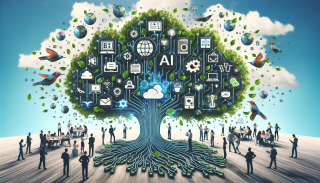


As an environmental activist, I have seen firsthand the devastating effects of climate change on our planet. AI solutions for ecological conservation efforts offer a glimmer of hope in our fight to protect the environment. I would love to learn more about how these technologies are being implemented and their impact on conservation efforts.
I recently read about AI being used to track and protect endangered species, and I am fascinated by the potential of this technology. It’s amazing to see how innovation can be harnessed for the greater good of our planet. Can you provide more examples of successful AI solutions in ecological conservation?
I work in the field of environmental science and have been following the advancements in AI for conservation closely. The ability of AI to analyze vast amounts of data and make informed decisions is truly remarkable. I believe that integrating AI solutions into conservation efforts is crucial for the future of our planet.
I have always been passionate about nature and wildlife, and the use of AI in conservation efforts excites me. It’s incredible to see how technology can be used to protect our planet’s biodiversity. I would be interested to know more about the challenges faced in implementing AI solutions for ecological conservation.
As an environmental activist, I have seen firsthand the devastating effects of climate change on our planet. AI solutions for ecological conservation efforts offer a glimmer of hope in the fight against environmental degradation. I believe that leveraging technology to protect our natural resources is crucial for the future of our planet.
I have always been passionate about sustainability and finding innovative ways to protect our environment. AI solutions for ecological conservation efforts seem like a promising avenue to explore. I wonder how these technologies can be effectively implemented on a larger scale to make a real impact.
I recently read about AI solutions being used in conservation efforts and I am intrigued by the possibilities. It’s fascinating to see how technology can be harnessed to protect our planet’s biodiversity. I would love to learn more about the specific applications and success stories of AI in ecological conservation.
Having worked in the field of environmental science for years, I am excited about the potential of AI in conservation efforts. The ability of artificial intelligence to analyze vast amounts of data and optimize resource management is truly remarkable. I am curious to know how AI can be integrated with traditional conservation practices for maximum effectiveness.