
Unleashing Artistic Potential with Artificial Intelligence
Artificial Intelligence (AI) is revolutionizing the realm of creative expression, offering unprecedented opportunities for artists to explore new dimensions of their craft. By leveraging advanced algorithms, AI can analyze vast datasets, identify patterns, and generate innovative artistic outputs that were previously unimaginable. This technological marvel is not just a tool but a collaborator, enhancing the creative process and pushing the boundaries of what is artistically possible.
AI-driven tools empower artists by automating mundane tasks, allowing them to focus on the more intricate aspects of their work. For instance, AI can assist in color matching, composition, and even in generating unique artistic styles. These capabilities enable artists to experiment with different techniques and mediums, fostering a more dynamic and versatile creative environment.
Moreover, AI’s ability to learn and adapt makes it an invaluable asset in the creative industry. Machine learning algorithms can be trained on specific artistic styles, enabling them to produce works that mimic renowned artists or create entirely new genres. This adaptability not only preserves the essence of traditional art forms but also paves the way for innovative expressions that resonate with contemporary audiences.
In addition to enhancing individual creativity, AI also facilitates collaborative projects. Artists from diverse backgrounds can collaborate with AI to co-create artworks, blending human intuition with machine precision. This synergy results in pieces that are both technically sophisticated and emotionally compelling, offering a fresh perspective on artistic collaboration.
Furthermore, AI’s impact extends beyond the creation of art to its distribution and appreciation. AI-powered platforms can curate personalized art experiences, recommending artworks based on individual preferences and trends. This personalized approach not only enhances the viewer’s engagement but also broadens the reach of artists, connecting them with a global audience.
In conclusion, AI is a transformative force in the world of art, unlocking new potentials and redefining creative expression. By integrating AI into the artistic process, artists can transcend traditional boundaries, explore uncharted territories, and create works that are both innovative and impactful. The fusion of human creativity and artificial intelligence heralds a new era of artistic exploration, where the possibilities are as limitless as the imagination itself.
How AI is Transforming the World of Creative Arts
Artificial Intelligence (AI) is revolutionizing the creative arts landscape, offering unprecedented opportunities for artists, musicians, and writers. By leveraging advanced algorithms, AI can generate unique artworks, compose music, and even write compelling narratives. This technological advancement is not only enhancing creativity but also democratizing access to artistic tools.
AI-driven tools are enabling artists to push the boundaries of their creativity. For instance, generative adversarial networks (GANs) can create stunning visual art by learning from vast datasets of existing artworks. These AI-generated pieces often exhibit a blend of styles, resulting in innovative and captivating visuals. Similarly, AI-powered music composition tools can analyze patterns in music to create original compositions, offering musicians new avenues for exploration.
Moreover, AI is transforming the world of literature. Natural language processing (NLP) algorithms can assist writers in crafting engaging stories, suggesting plot twists, and even generating entire chapters. This not only speeds up the writing process but also introduces new narrative possibilities that might not have been considered otherwise.
In addition to enhancing individual creativity, AI is also fostering collaboration. Artists and technologists are working together to create hybrid forms of art that combine human intuition with machine precision. This synergy is leading to the emergence of new art forms that are both intellectually stimulating and emotionally resonant.
Furthermore, AI is democratizing the creative process. Tools that were once accessible only to professionals are now available to amateurs, thanks to user-friendly AI applications. This democratization is empowering a broader audience to express their creativity, leading to a more diverse and inclusive artistic community.
However, the integration of AI in creative arts is not without challenges. Ethical considerations, such as the ownership of AI-generated art and the potential loss of human touch, are critical issues that need to be addressed. Despite these challenges, the potential benefits of AI in the creative arts are immense, offering a glimpse into a future where technology and creativity coexist harmoniously.
In conclusion, AI is a powerful catalyst for creative expression, transforming the way art is created and experienced. By enhancing creativity, fostering collaboration, and democratizing access to artistic tools, AI is paving the way for a new era of artistic innovation. As technology continues to evolve, the possibilities for creative expression will only expand, offering exciting opportunities for artists and audiences alike.
The Intersection of Technology and Imagination
In the modern era, the fusion of technology and imagination has revolutionized creative expression. Artificial Intelligence (AI) serves as a powerful catalyst, enabling artists, writers, and musicians to transcend traditional boundaries. This synergy between AI and human creativity fosters unprecedented innovation, transforming abstract ideas into tangible masterpieces.
AI-driven tools offer a plethora of possibilities for creative professionals. These tools can analyze vast datasets, identify patterns, and generate unique content, thereby enhancing the creative process. For instance, AI algorithms can compose music, design visual art, and even write poetry, providing a fresh perspective and expanding the horizons of artistic endeavors.
Moreover, AI’s ability to learn and adapt makes it an invaluable asset in the creative industry. By leveraging machine learning, AI can mimic human creativity, producing works that are both original and inspiring. This dynamic interaction between human ingenuity and AI capabilities leads to the creation of art that resonates on a deeper level with audiences.
Another significant advantage of AI in creative expression is its capacity to streamline workflows. By automating repetitive tasks, AI allows artists to focus on the more intricate aspects of their work. This not only enhances productivity but also ensures a higher quality of output. For example, AI can handle tasks such as color correction in photography or background scoring in film production, freeing up time for creators to concentrate on their core competencies.
Furthermore, AI’s role in democratizing creativity cannot be overlooked. With AI-powered tools becoming more accessible, individuals from diverse backgrounds can explore their creative potential. This inclusivity fosters a rich tapestry of cultural expressions, contributing to a more vibrant and diverse artistic landscape.
In conclusion, the intersection of technology and imagination, facilitated by AI, is reshaping the creative industry. By augmenting human creativity, streamlining workflows, and democratizing access to creative tools, AI is paving the way for a new era of artistic innovation. This harmonious blend of human and artificial intelligence promises to unlock new dimensions of creative expression, inspiring future generations of artists and creators.
AI Tools Empowering Artists and Designers
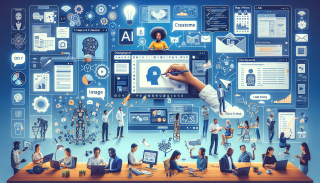
Artificial Intelligence (AI) tools are revolutionizing the landscape for artists and designers, offering unprecedented opportunities for creative expression. These advanced technologies enable creators to push the boundaries of their imagination, producing innovative and unique works of art. By leveraging AI, artists can explore new mediums, automate repetitive tasks, and enhance their creative processes.
One of the most significant advantages of AI in the creative field is its ability to generate ideas and concepts. AI algorithms can analyze vast amounts of data, identifying patterns and trends that might not be immediately apparent to human eyes. This capability allows artists to draw inspiration from a broader range of sources, leading to more diverse and original creations.
Moreover, AI-powered tools can assist in the technical aspects of design. For instance, machine learning algorithms can optimize color palettes, suggest complementary fonts, and even generate entire layouts based on user preferences. These features not only save time but also ensure a high level of precision and consistency in the final product.
Another critical application of AI in art and design is in the realm of automation. Tasks that were once time-consuming, such as photo editing, 3D modeling, and animation, can now be completed in a fraction of the time. AI tools can automatically retouch images, create realistic textures, and animate characters with minimal human intervention. This automation frees up artists to focus on the more creative aspects of their work.
Collaboration is also enhanced through AI. Tools like generative adversarial networks (GANs) allow multiple artists to work together seamlessly, blending their styles and techniques to create cohesive pieces. AI can also facilitate communication between artists and clients, providing real-time feedback and suggestions to ensure that the final product meets the desired specifications.
Furthermore, AI is democratizing the art world by making advanced tools accessible to a broader audience. Aspiring artists and designers can now utilize sophisticated software that was once reserved for professionals, leveling the playing field and fostering a more inclusive creative community.
In conclusion, AI tools are empowering artists and designers by expanding their creative horizons, streamlining technical processes, and fostering collaboration. As these technologies continue to evolve, they will undoubtedly play an increasingly integral role in the world of art and design, driving innovation and enabling new forms of creative expression.
Revolutionizing Creativity: AI’s Role in Artistic Innovation
Artificial Intelligence (AI) is transforming the landscape of artistic innovation, offering unprecedented tools and techniques for creative expression. By leveraging machine learning algorithms, AI can analyze vast datasets, identify patterns, and generate novel artistic concepts. This technological advancement is not just a tool but a collaborator, enabling artists to push the boundaries of their imagination.
AI’s role in artistic innovation can be seen in various domains:
- Visual Arts: AI algorithms can create intricate designs, generate unique paintings, and even restore damaged artworks. By analyzing styles and techniques from different art periods, AI can produce pieces that blend traditional and contemporary elements.
- Music Composition: AI-powered software can compose music by understanding and mimicking different genres and styles. This allows musicians to explore new soundscapes and experiment with complex compositions that might be challenging to create manually.
- Literature: AI can assist writers by suggesting plot twists, character developments, and even generating entire stories. This not only speeds up the writing process but also introduces fresh perspectives and ideas.
- Film and Animation: AI tools can streamline the production process by automating tasks such as scriptwriting, storyboarding, and even special effects. This enables filmmakers to focus more on the creative aspects of their projects.
Moreover, AI’s ability to learn and adapt makes it a dynamic partner in the creative process. It can provide real-time feedback, suggest improvements, and even predict trends, helping artists stay ahead of the curve. The integration of AI in artistic endeavors also democratizes creativity, making sophisticated tools accessible to a broader audience.
However, the collaboration between AI and artists raises questions about authorship and originality. While AI can generate content, the human touch remains irreplaceable. The synergy between human intuition and AI’s analytical prowess results in a harmonious blend of creativity and technology.
In conclusion, AI is revolutionizing creativity by offering innovative tools that enhance artistic expression. Its impact spans across various art forms, providing new opportunities for artists to explore and innovate. As AI continues to evolve, its role in the creative industry will undoubtedly expand, paving the way for a future where technology and artistry coexist seamlessly.
From Concept to Creation: AI in the Creative Process
Artificial Intelligence (AI) has revolutionized the creative process, transforming abstract concepts into tangible creations. This technological advancement has become a pivotal tool for artists, designers, and creators, enabling them to push the boundaries of their imagination. AI’s role in the creative process can be broken down into several key areas:
- Idea Generation: AI algorithms can analyze vast amounts of data to identify trends and patterns, providing a rich source of inspiration for new ideas. By leveraging machine learning, creators can explore uncharted territories and develop innovative concepts.
- Design Assistance: AI-powered tools can assist in the design phase by offering suggestions, automating repetitive tasks, and enhancing the overall efficiency of the creative workflow. These tools can generate multiple design variations, allowing creators to experiment and refine their work.
- Content Creation: AI can generate content such as text, images, and music, providing creators with a starting point or even a complete piece. This capability allows for rapid prototyping and iteration, significantly reducing the time required to bring ideas to life.
- Personalization: AI can tailor content to individual preferences, creating a more engaging and personalized experience for the audience. By analyzing user data, AI can recommend specific styles, themes, or elements that resonate with the target audience.
- Collaboration: AI facilitates collaboration by enabling creators to work together seamlessly, regardless of geographical location. Through cloud-based platforms and AI-driven project management tools, teams can share ideas, provide feedback, and co-create in real-time.
Incorporating AI into the creative process not only enhances productivity but also opens up new avenues for artistic expression. By automating mundane tasks, AI allows creators to focus on the more intricate aspects of their work, fostering a deeper level of creativity. Furthermore, AI’s ability to analyze and learn from data ensures that the creative output is both relevant and innovative.
As AI continues to evolve, its impact on the creative process will only grow, offering even more sophisticated tools and capabilities. Embracing AI in the creative realm is not just about keeping up with technological advancements; it’s about unlocking new potentials and redefining what is possible in the world of art and design.
The Future of Art: AI as a Creative Partner
Artificial Intelligence (AI) is revolutionizing the art world, transforming how creativity is expressed and experienced. By acting as a creative partner, AI is not just a tool but a collaborator that enhances artistic endeavors. This synergy between human ingenuity and machine learning is paving the way for unprecedented artistic innovation.
AI algorithms can analyze vast amounts of data, identifying patterns and generating new ideas that might elude human artists. This capability allows for the creation of unique artworks that blend human emotion with computational precision. Artists can now explore new mediums and techniques, pushing the boundaries of traditional art forms.
Moreover, AI-driven tools can assist in the creative process by providing real-time feedback and suggestions. These tools can help artists refine their work, experiment with different styles, and even predict how audiences might react to their creations. This interactive dynamic fosters a more collaborative and iterative approach to art-making.
In addition, AI can democratize art by making sophisticated tools accessible to a broader audience. Aspiring artists, regardless of their technical skills, can leverage AI to bring their visions to life. This inclusivity can lead to a more diverse and vibrant art community, where a multitude of voices and perspectives are represented.
Furthermore, AI’s ability to learn and adapt means that it can evolve alongside artists, continually offering new possibilities and inspirations. This ongoing evolution ensures that the partnership between AI and artists remains dynamic and ever-changing, driving continuous innovation in the art world.
In conclusion, AI as a creative partner is not just enhancing artistic expression but also transforming the very nature of creativity. By combining human intuition with machine intelligence, AI is opening up new horizons for artists, making the future of art more exciting and inclusive than ever before.



As an artist, AI has completely revolutionized the way I create. The tools and algorithms available now allow me to experiment and push boundaries in ways that were previously unimaginable. It’s like having a digital assistant that can take my ideas to the next level. I would love to hear more about how AI is impacting other creative fields as well.
AI truly is a game-changer when it comes to creative expression. The ability to generate music, art, and even writing with the help of AI is mind-blowing. It opens up new possibilities and challenges traditional notions of creativity. I wonder what the future holds for AI in the creative industry and how it will continue to shape the way we express ourselves.
I’ve dabbled in using AI for my photography projects, and it has added a whole new dimension to my work. The way AI can enhance and manipulate images is fascinating. However, there’s always the concern of how much control we should give to AI in the creative process. It would be interesting to explore the ethical implications further.
As a graphic designer, I have found AI to be a game-changer in my creative process. The tools and algorithms available now make it easier to experiment with different styles and concepts. It has definitely pushed me to think outside the box and come up with innovative designs that I might not have considered before.
I’ve always been fascinated by the intersection of technology and art. AI has opened up a whole new world of possibilities for creative expression. It’s amazing to see how machines can now generate music, art, and even literature. However, I do wonder about the ethical implications of AI in art – how much should be left to human creativity versus machine algorithms?
I’m an aspiring filmmaker, and AI has revolutionized the way I approach storytelling. The ability to analyze data and predict audience preferences has helped me tailor my narratives to be more engaging and impactful. But I also worry about the potential loss of individuality in art – will AI eventually homogenize creative expression, or will it continue to inspire diverse and unique voices?