
Revolutionizing Classrooms: How AI is Shaping the Future of Education
Artificial Intelligence (AI) is fundamentally transforming educational environments, creating more dynamic and personalized learning experiences. By integrating AI into classrooms, educators can offer tailored instruction that meets the unique needs of each student. This technological advancement is not only enhancing the quality of education but also making it more accessible and efficient.
AI-driven tools are revolutionizing traditional teaching methods. These tools can analyze student performance data to identify strengths and weaknesses, enabling teachers to adjust their strategies accordingly. For instance, AI-powered platforms can provide real-time feedback, helping students to understand complex concepts more effectively. This personalized approach ensures that no student is left behind, fostering a more inclusive learning environment.
Moreover, AI is streamlining administrative tasks, allowing educators to focus more on teaching. Automated grading systems, for example, can evaluate assignments and exams with remarkable accuracy, saving valuable time for teachers. This efficiency not only reduces the workload but also ensures consistent and unbiased assessment of student performance.
Another significant impact of AI in education is the enhancement of interactive learning. Virtual tutors and chatbots are becoming increasingly popular, offering students instant support and guidance. These AI-driven assistants can answer questions, provide additional resources, and even offer emotional support, making learning more engaging and interactive.
Furthermore, AI is facilitating the development of adaptive learning systems. These systems adjust the difficulty level of tasks based on the learner’s progress, ensuring optimal challenge and growth. By continuously monitoring and analyzing student interactions, adaptive learning platforms can create a customized educational journey that maximizes each student’s potential.
In addition to improving individual learning experiences, AI is also fostering collaboration among students. Intelligent collaboration tools can group students based on their skills and interests, promoting effective teamwork and peer learning. This collaborative approach not only enhances academic performance but also develops essential social skills.
AI’s role in education extends beyond the classroom. It is also transforming professional development for educators. AI-powered training programs can identify areas where teachers need improvement and provide targeted resources to enhance their skills. This continuous professional development ensures that educators are well-equipped to meet the evolving demands of modern education.
In conclusion, the integration of AI in education is creating a paradigm shift in how learning is delivered and experienced. By offering personalized instruction, streamlining administrative tasks, enhancing interactive learning, and fostering collaboration, AI is shaping the future of education. As this technology continues to evolve, it holds the promise of making education more effective, inclusive, and engaging for all learners.
Personalized Learning: AI’s Role in Tailoring Education to Individual Needs
Artificial Intelligence (AI) is revolutionizing the educational landscape by enabling personalized learning experiences tailored to individual needs. This transformative technology adapts to each student’s unique learning style, pace, and preferences, ensuring a more effective and engaging educational journey.
AI-driven personalized learning systems analyze vast amounts of data to identify patterns and insights about a student’s strengths and weaknesses. By leveraging this information, these systems can create customized learning paths that cater to the specific requirements of each learner. This approach not only enhances comprehension but also fosters a deeper connection with the material.
One of the key benefits of AI in education is its ability to provide real-time feedback. Traditional educational methods often involve delayed feedback, which can hinder a student’s progress. In contrast, AI-powered tools offer immediate insights, allowing students to correct mistakes and reinforce learning promptly. This instant feedback loop is crucial for maintaining motivation and ensuring continuous improvement.
Moreover, AI facilitates differentiated instruction by offering a variety of resources and activities that align with individual learning preferences. For instance, visual learners can benefit from interactive simulations and videos, while auditory learners might prefer podcasts and audio lessons. This diversity in instructional methods ensures that all students have access to materials that resonate with their preferred learning styles.
Another significant advantage of AI in personalized learning is its capacity to predict future performance. By analyzing historical data and current progress, AI algorithms can forecast potential challenges and suggest proactive measures to address them. This predictive capability empowers educators to intervene early and provide targeted support, ultimately enhancing student outcomes.
Furthermore, AI-driven platforms can adapt to the evolving needs of students. As learners progress, the system continuously updates and refines their personalized learning paths, ensuring that the content remains relevant and challenging. This dynamic adaptation keeps students engaged and prevents stagnation, promoting a lifelong love for learning.
In addition to benefiting students, AI also supports educators by automating administrative tasks and providing valuable insights into classroom dynamics. Teachers can focus more on instruction and less on paperwork, leading to a more efficient and effective educational environment. AI-generated analytics offer a comprehensive view of student performance, enabling educators to make informed decisions and tailor their teaching strategies accordingly.
In conclusion, AI’s role in personalized learning is pivotal in transforming education. By offering customized learning experiences, real-time feedback, differentiated instruction, predictive analytics, and dynamic adaptation, AI empowers both students and educators. This innovative approach not only enhances academic achievement but also fosters a more engaging and inclusive learning environment.
Breaking Barriers: AI’s Impact on Accessibility and Inclusivity in Education
Artificial Intelligence (AI) is revolutionizing education by enhancing accessibility and inclusivity. AI-driven tools are breaking down barriers, enabling students with diverse needs to access quality education. These technologies are transforming traditional learning environments, making them more adaptable and personalized.
AI-powered applications offer real-time translations, speech-to-text capabilities, and personalized learning experiences. These features are particularly beneficial for students with disabilities, non-native speakers, and those requiring individualized learning plans. By providing tailored educational resources, AI ensures that every student can engage with the curriculum effectively.
Moreover, AI facilitates the creation of adaptive learning platforms that adjust to each student’s unique learning style and pace. This adaptability is crucial for students with learning disabilities, as it allows them to progress without feeling overwhelmed. AI also supports teachers by automating administrative tasks, enabling them to focus more on personalized instruction and student engagement.
In addition, AI-driven analytics provide valuable insights into student performance, helping educators identify areas where students may need additional support. These insights enable the development of targeted interventions, ensuring that no student is left behind. By leveraging AI, educational institutions can create more inclusive and supportive learning environments.
Furthermore, AI enhances communication between students and educators through intelligent tutoring systems and virtual assistants. These systems offer instant feedback and support, fostering a more interactive and engaging learning experience. AI also promotes collaboration by connecting students with peers and mentors worldwide, breaking geographical barriers and fostering a global learning community.
Overall, AI’s impact on accessibility and inclusivity in education is profound. By providing personalized, adaptive, and supportive learning experiences, AI ensures that all students, regardless of their background or abilities, have the opportunity to succeed. As AI continues to evolve, its potential to transform education and promote inclusivity will only grow, paving the way for a more equitable and accessible educational landscape.
From Data to Insights: Leveraging AI for Enhanced Educational Outcomes
In the realm of education, the integration of artificial intelligence (AI) has revolutionized the way data is utilized to derive meaningful insights. By harnessing the power of AI, educational institutions can transform raw data into actionable intelligence, thereby enhancing educational outcomes. This process involves the collection, analysis, and interpretation of vast amounts of data generated by students, educators, and educational systems.
AI algorithms can analyze student performance data to identify patterns and trends that may not be immediately apparent to human observers. This enables educators to tailor their teaching strategies to meet the unique needs of each student, fostering a more personalized learning experience. For instance, AI can pinpoint areas where students struggle and suggest targeted interventions to address these challenges.
Moreover, AI-driven analytics can provide educators with real-time feedback on the effectiveness of their teaching methods. By continuously monitoring student engagement and comprehension, AI systems can recommend adjustments to instructional approaches, ensuring that learning remains dynamic and responsive to student needs. This iterative process helps in maintaining high levels of student motivation and academic achievement.
Another significant advantage of leveraging AI in education is the ability to predict future student performance. Predictive analytics can forecast academic outcomes based on historical data, allowing educators to proactively address potential issues before they escalate. This foresight is invaluable in creating supportive learning environments that promote student success.
Furthermore, AI can facilitate the development of adaptive learning platforms that adjust content delivery based on individual learning styles and paces. These platforms utilize machine learning algorithms to continuously refine and optimize the learning experience, making education more accessible and effective for diverse student populations.
In addition to enhancing student learning, AI can also streamline administrative tasks within educational institutions. By automating routine processes such as grading, scheduling, and resource allocation, AI frees up valuable time for educators to focus on teaching and mentoring. This increased efficiency contributes to a more productive and supportive educational ecosystem.
Overall, the integration of AI in education represents a paradigm shift in how data is leveraged to improve educational outcomes. By transforming data into actionable insights, AI empowers educators to create more personalized, effective, and efficient learning experiences. As AI technology continues to evolve, its potential to revolutionize education will only grow, paving the way for a brighter future for students and educators alike.
Teacher’s New Best Friend: AI Tools that Support Educators
Artificial Intelligence (AI) tools are revolutionizing the educational landscape, providing invaluable support to educators. These advanced technologies streamline administrative tasks, enhance personalized learning, and foster student engagement. By integrating AI into the classroom, teachers can focus more on instruction and less on routine duties.
AI-driven platforms offer a plethora of benefits:
- Automated Grading: AI systems can efficiently grade assignments and tests, saving educators significant time and ensuring consistent evaluation.
- Personalized Learning: Adaptive learning technologies tailor educational content to meet individual student needs, promoting better understanding and retention.
- Data Analytics: AI tools analyze student performance data, providing insights that help teachers identify learning gaps and adjust their teaching strategies accordingly.
- Virtual Assistants: AI-powered virtual assistants can handle routine inquiries, schedule reminders, and provide instant feedback, enhancing classroom management.
- Content Creation: AI can assist in developing customized educational materials, ensuring that content is relevant and engaging for students.
These AI tools not only enhance the efficiency of educators but also contribute to a more dynamic and interactive learning environment. By leveraging AI, teachers can create a more inclusive and supportive educational experience, ultimately leading to improved student outcomes.
In conclusion, the integration of AI in education is a game-changer. It empowers teachers by reducing their workload, allowing them to dedicate more time to teaching and mentoring. As AI continues to evolve, its role in education will undoubtedly expand, offering even more innovative solutions to support educators and students alike.
Gamifying Learning: AI-Driven Interactive and Engaging Educational Platforms
Gamifying learning through AI-driven platforms revolutionizes educational experiences by making them interactive and engaging. These platforms leverage artificial intelligence to create personalized learning paths, ensuring that each student receives content tailored to their unique needs and preferences. By incorporating game-like elements such as points, badges, and leaderboards, these platforms motivate students to engage more deeply with the material.
AI algorithms analyze student performance in real-time, providing instant feedback and adjusting the difficulty level of tasks to maintain an optimal challenge. This adaptive learning approach not only keeps students engaged but also helps in identifying areas where they may need additional support. The use of AI in gamified learning environments fosters a sense of achievement and progress, encouraging continuous learning.
Moreover, these platforms often include social features that allow students to collaborate and compete with their peers, further enhancing the learning experience. By integrating AI with gamification, educational platforms can create a dynamic and immersive learning environment that promotes active participation and sustained interest.
In summary, AI-driven interactive educational platforms transform traditional learning methods by making them more engaging and personalized. The combination of gamification and artificial intelligence not only enhances student motivation but also improves learning outcomes by providing tailored educational experiences.
Preparing for Tomorrow: How AI is Equipping Students with Future-Ready Skills
Artificial Intelligence (AI) is revolutionizing education by equipping students with future-ready skills. This transformation is not just about integrating technology into classrooms but about fostering a new learning paradigm. AI tools are designed to enhance critical thinking, problem-solving, and adaptability, which are essential for the evolving job market.
AI-driven educational platforms offer personalized learning experiences, adapting to individual student needs and learning paces. This customization ensures that each student can master subjects at their own speed, leading to better retention and understanding. Moreover, AI can identify knowledge gaps and provide targeted resources to address them, ensuring a comprehensive learning experience.
Another significant advantage of AI in education is its ability to facilitate collaborative learning. AI-powered tools can connect students from different parts of the world, promoting cultural exchange and diverse perspectives. This global interaction prepares students for a more interconnected world, enhancing their communication and teamwork skills.
Furthermore, AI is instrumental in developing digital literacy. As technology becomes increasingly integral to various industries, students must be proficient in using digital tools. AI-based educational programs teach students how to navigate and utilize these tools effectively, preparing them for tech-centric careers.
AI also plays a crucial role in fostering creativity and innovation. By automating routine tasks, AI allows students to focus on creative problem-solving and innovative thinking. This shift encourages students to explore new ideas and approaches, essential for future success in any field.
In addition, AI can provide real-time feedback, helping students to improve continuously. This immediate response system enables students to understand their mistakes and learn from them promptly, enhancing their overall learning process.
Lastly, AI supports educators by automating administrative tasks, allowing them to focus more on teaching and mentoring. This support system ensures that teachers can provide more personalized attention to each student, further enhancing the learning experience.
In conclusion, AI is not just a tool but a transformative force in education. By equipping students with essential skills, fostering global collaboration, enhancing digital literacy, and promoting creativity, AI is preparing students for the challenges and opportunities of tomorrow.


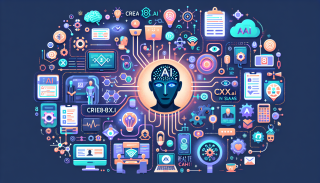

As a teacher, I have seen firsthand the impact of AI in the classroom. It has helped personalize learning for students and provided valuable insights for educators. I believe AI has the potential to revolutionize education and empower both students and teachers to reach their full potential.
I have always been fascinated by the intersection of technology and education. AI has the ability to adapt to individual learning styles and pace, making education more accessible and engaging. I am excited to see how AI continues to transform the learning experience for students around the world.
The use of AI in education is a game-changer. It can provide personalized learning experiences, identify areas where students need extra help, and even assist in grading assignments. However, there are concerns about data privacy and the potential for AI to replace human teachers. It’s crucial to find a balance and ensure that AI enhances, rather than replaces, the role of educators.
AI has the potential to revolutionize the way we learn and teach. By analyzing data and providing personalized recommendations, AI can help students achieve better outcomes. However, it’s important to address the ethical implications of using AI in education and ensure that it is used responsibly. I look forward to seeing how AI continues to shape the future of education.
As a teacher, I have seen firsthand the impact of AI in the classroom. It has helped personalize learning for students and provided valuable insights for educators. I believe AI has the potential to revolutionize education and empower both students and teachers to reach their full potential.
I have always been fascinated by the intersection of technology and education. AI has the ability to adapt to individual learning styles and pace, making education more accessible and engaging. I am excited to see how AI continues to transform the learning experience for students around the world.
I have a child with learning disabilities, and AI has been a game-changer for us. The personalized learning programs and adaptive feedback have helped my child progress in ways I never thought possible. I am grateful for the role AI plays in empowering my child’s education.
As a software developer, I have seen the potential of AI in transforming learning experiences. The ability to analyze data, provide personalized recommendations, and create interactive learning environments is truly remarkable. I believe AI has the power to revolutionize education and make learning more accessible to all.
I have always been passionate about education and technology. AI has the potential to bridge the gap between traditional teaching methods and modern learning needs. The use of AI in education can help students learn at their own pace and provide teachers with valuable insights to improve their teaching strategies.
The integration of AI in education is a step towards a more personalized and efficient learning experience. By leveraging AI technologies, educators can better understand student needs and tailor instruction accordingly. I am excited to see how AI continues to shape the future of education.